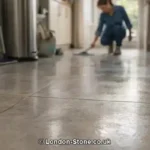
Comprehensive Guide to Cleaning Slate Floors Effectively
Understanding Various Slate Types and Their Cleaning Requirements

Slate is renowned for its natural elegance and impressive durability, available in various types commonly used across the UK. Notably, Welsh slate is admired for its vivid colours and layered formation, while Spanish slate is appreciated for its consistency and outstanding resilience. Recognising the specific cleaning requirements for each slate type is crucial for effective upkeep. For instance, Welsh slate, being softer, may require a more delicate cleaning approach, whereas Spanish slate can withstand more robust cleaning methods. Being aware of these distinctions is essential for anyone interested in cleaning slate without inflicting damage or compromising its structural integrity.
In the UK, slate features prominently in both roofing and flooring, each necessitating unique care. Slate tiles in damp areas like kitchens or bathrooms can quickly gather dirt and stains due to higher foot traffic. Conversely, slate roofs, often exposed to harsh weather, may develop organic growth like moss and lichen, which require specific cleaning techniques. Understanding the type of slate present in your home allows homeowners to adopt tailored cleaning strategies that maintain both the aesthetic and structural quality of the slate.
Why Regular Slate Cleaning is Essential for Longevity
Regularly cleaning slate surfaces goes beyond mere cosmetic improvement; it is vital for prolonging the lifespan of these materials. Over time, built-up dirt, grime, and other pollutants can lead to discolouration and potential damage. Given the humid climate typical in the UK, uncleaned slate surfaces can become hotspots for organic growth like moss or algae, which can cause structural issues if not promptly managed. Establishing a routine maintenance schedule helps homeowners address these problems before they escalate, thereby safeguarding the slate’s natural beauty and longevity.
Consistent cleaning greatly enhances the visual appeal of the slate, ultimately adding value to the home. For those considering selling, a well-maintained slate surface can attract prospective buyers, potentially leading to a higher selling price. Regular upkeep not only protects the slate but also reflects a homeowner’s commitment to property maintenance, fostering a sense of pride and satisfaction in their living environment.
Crucial Safety Measures When Cleaning Slate Surfaces
Cleaning slate surfaces requires a careful approach to safety in order to prevent accidents and damage. It is essential to wear appropriate protective gear, such as gloves and safety goggles, to safeguard against harmful chemicals and debris. When cleaning slate roofs, using a sturdy ladder and securing a harness can significantly reduce the risk of falls. checking the weather conditions before undertaking outdoor cleaning is wise, as slippery surfaces can pose serious hazards.
Another important factor is ensuring that the cleaning agents selected are safe for both the slate and the environment. Many commercial cleaners contain harsh chemicals that may cause discolouration or wear down the slate over time. Choosing eco-friendly alternatives or creating homemade solutions can alleviate these concerns while still achieving effective cleaning results. Prioritising safety not only protects the individual but also ensures that the slate surface remains undamaged during the cleaning process.
Recommended Cleaning Products for Slate Maintenance

Selecting the right cleaning products is essential for mastering how to clean slate effectively. For everyday cleaning, a mixture of warm water and mild dish soap is often adequate, as it gently lifts dirt without damaging the slate’s surface. For tougher stains, specialised slate cleaners available in UK shops can be beneficial; these products are specifically formulated to preserve the slate’s finish while effectively eliminating stubborn marks.
Natural cleaning options, such as a combination of vinegar and water or a baking soda paste, are also excellent choices that are typically available in UK households. caution should be exercised when using vinegar due to its acidic nature, which might adversely affect certain slate types. Always conduct a test on a small, inconspicuous area before applying any new cleaning product to the entire slate surface. Each variety of slate may react differently, so making informed choices based on the specific type of slate will yield the best results.
Seasonal Cleaning Approaches for Slate Surfaces
The varied seasons in the UK demand a flexible approach to slate cleaning. In spring, it is important to remove debris left by winter storms and to prevent the onset of moss growth. A thorough sweep followed by a wash with a mild solution will prepare the slate for the warmer months ahead. During summer, cleaning efforts should focus on routine maintenance to protect against sun damage and preserve the slate’s natural colour.
As autumn arrives, the accumulation of leaves and debris on outdoor slate surfaces can pose challenges. It is imperative to clear these materials to prevent staining and to ensure the slate retains its vibrancy. In winter, special attention should be paid to clearing snow and ice from slate pathways and roofs, as the freeze-thaw cycle can lead to cracks. Customising your cleaning routine to address the specific challenges of each season maximises the lifespan of the slate while keeping it visually appealing throughout the year.
Crucial Tools and Materials for Effective Slate Cleaning
Pro Tip: We recommend these products for daily slate cleaning.
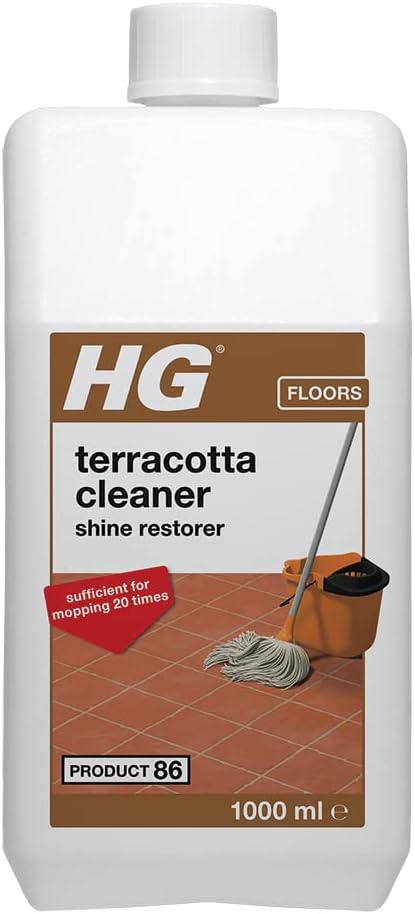
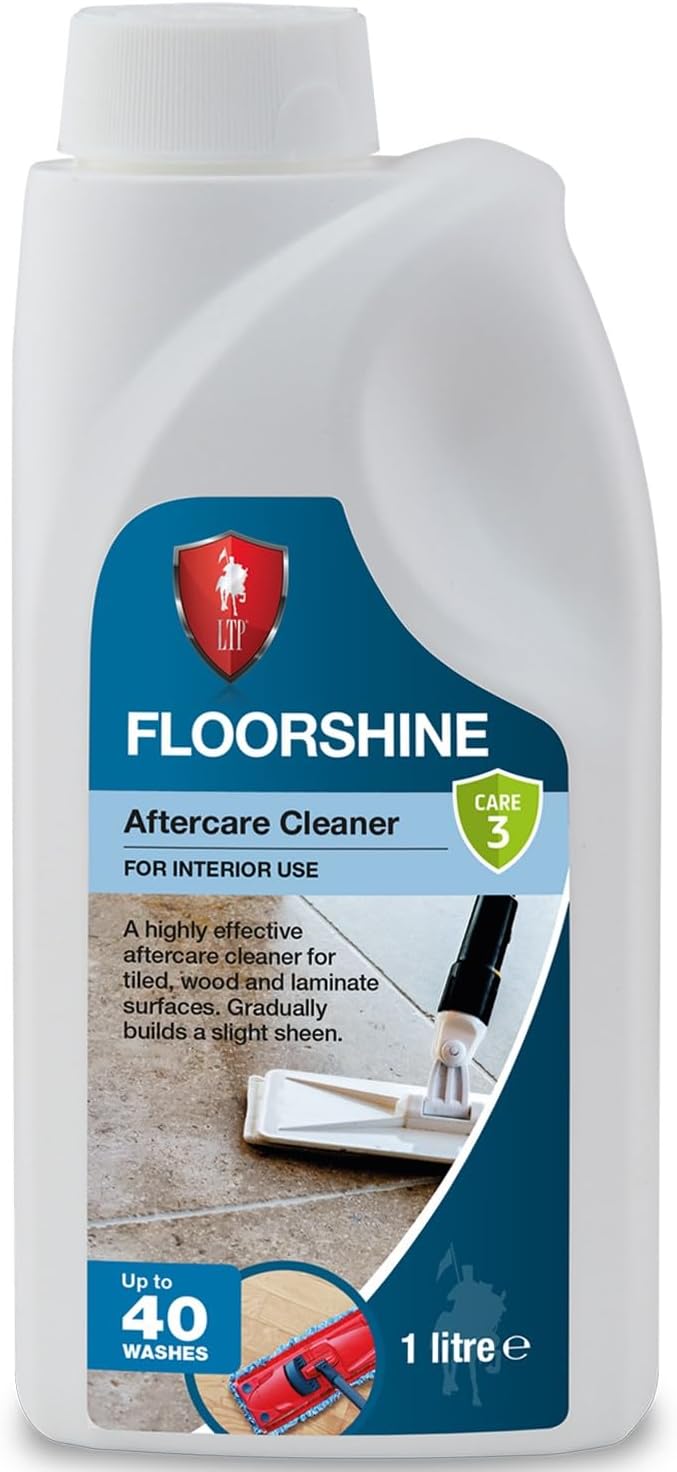
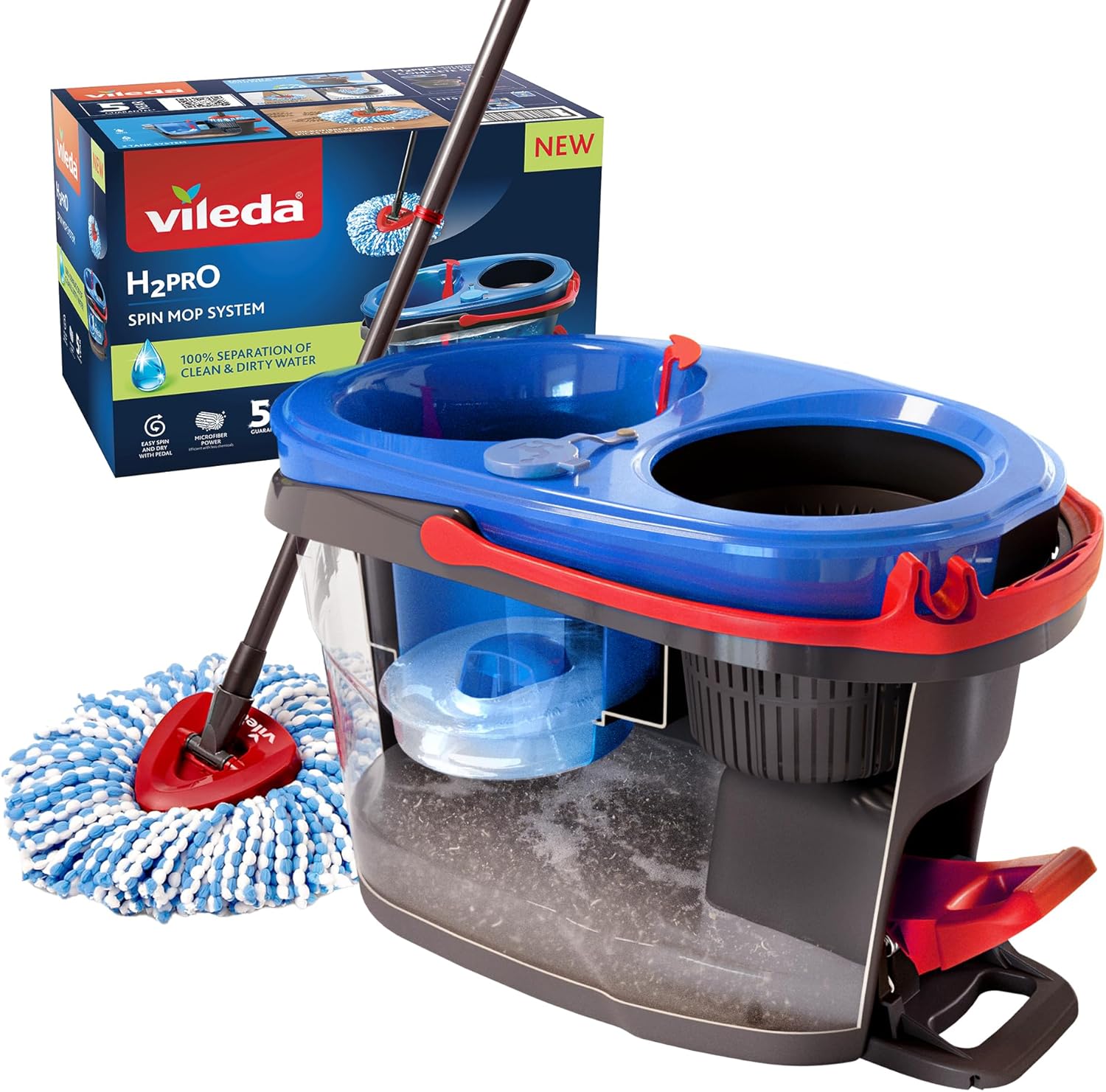
Essential Cleaning Supplies for Slate Care

When embarking on the journey of mastering how to clean slate, having the right tools is essential. Key cleaning supplies include a soft-bristled brush, a flat-headed mop for floors, and microfiber cloths for gentle wiping. These tools effectively remove dirt and grime from slate surfaces while preventing scratches. a bucket for mixing cleaning solutions and a squeegee can be invaluable for larger slate areas, particularly those outdoors.
For tougher stains, consider adding accessories such as non-abrasive scrubbing pads to your cleaning toolkit. Many retailers in the UK offer slate-specific cleaning kits that combine these essential tools with suitable cleaning solutions, providing a convenient option for homeowners. investing in a pH-neutral cleaner is wise, as it can address various cleaning tasks without harming the slate’s finish. Ensuring these tools are at hand streamlines the cleaning process and enhances overall effectiveness.
Protective Gear for Safe Slate Cleaning
Safety should always be a priority when cleaning slate. Essential protective equipment includes gloves to shield against harsh chemicals, particularly if using commercial cleaning products. safety goggles are vital for protecting your eyes from splashes, and a face mask is advisable, especially when using powder cleaners or working in dusty conditions.
When cleaning at heights, such as with slate roof tiles, using a stable ladder and wearing non-slip footwear can greatly enhance safety. It is also prudent to inform other household members about your cleaning activities to prevent accidents. By prioritising personal safety, you not only protect yourself but also ensure a smooth and efficient cleaning process that safeguards the slate surface.
Where to Find Quality Slate Cleaning Products in the UK
Acquiring the right supplies for slate cleaning is straightforward in the UK, with numerous retailers providing a wide array of products. Local hardware stores, garden centres, and home improvement outlets typically carry essential cleaning items like brushes, mops, and cleaning solutions. Notably, larger chains such as B&Q and Wickes have dedicated cleaning sections that showcase products specifically designed for slate care.
Online shopping offers access to an even greater variety of options, with platforms like Amazon and eBay presenting an extensive selection of slate cleaning kits and tools. specialised stores focusing on natural stone products often provide high-quality cleaning agents tailored specifically for slate. By sourcing equipment and products from reputable retailers, homeowners can ensure they are well-equipped to maintain their slate surfaces effectively.
Preparing Your Slate Surface for Effective Cleaning
Clearing the Area for Optimal Slate Maintenance
Before initiating the cleaning process, it is crucial to prepare the slate surface properly. Begin by removing all items from the slate area, whether it be furniture, planters on a patio, or decorative objects from an indoor slate floor. This clearing process not only allows for easier access but also protects against damage to items that might inadvertently come into contact with cleaning solutions.
In outdoor spaces, clearing away debris such as leaves, dirt, and other organic matter is essential. These elements can trap moisture against the slate, leading to staining and undesirable growth. In indoor areas, ensure that rugs or mats are removed to allow the slate to breathe and facilitate a thorough clean. By adequately preparing the area, you create the ideal conditions for an effective cleaning routine that maximises results and preserves the slate’s condition.
Initial Dusting and Sweeping: Preparing Slate Surfaces
Once the area is cleared, initial dusting and sweeping become the next crucial steps in preparing slate surfaces for cleaning. Use a soft-bristled broom or a vacuum cleaner with a floor attachment to remove loose dust and dirt. This initial dusting phase is vital, as it prevents dirt from becoming embedded in the slate during the deep cleaning process that follows.
For outdoor slate surfaces, a blower can be an effective way to quickly clear debris without scratching the slate. After sweeping, using a lightly damp cloth can help capture finer particles that may remain. The aim is to achieve a spotless slate—literally—before applying any cleaning solutions. Ensuring the surface is dust-free will lead to a more efficient cleaning process and superior results overall.
Conducting a Thorough Pre-Cleaning Inspection
Before launching into any deep cleaning efforts, it is essential to carry out a comprehensive inspection of the slate surface. Look for signs of damage, such as cracks, chips, or areas where the slate may be lifting. Identifying these issues early allows for appropriate care and repair before cleaning, thereby preventing further damage during the cleaning process.
Take note of any stains or discolouration that may need special attention during the cleaning process. For instance, grease stains from kitchen areas or moss growth on outdoor surfaces might require specific treatments. Documenting these conditions ensures a focused approach to cleaning, increasing the effectiveness of your efforts. A detailed inspection not only protects the slate but also helps establish realistic expectations for the cleaning outcome.
Implementing Protective Measures During the Cleaning Process
To prevent accidental damage during the cleaning process, it is wise to implement protective measures around the slate surface. This may involve laying down tarps or plastic sheeting to catch drips and shield adjacent areas or flooring from cleaning solutions. In homes with interconnected spaces, using painter’s tape to secure borders can add an extra layer of protection.
For outdoor cleaning, consider relocating nearby plants or covering them with protective fabric to shield them from chemicals or debris. Ensuring surrounding areas are well-protected not only helps maintain your home’s aesthetics but also avoids costly repairs that could occur from accidental damage during the cleaning process. Taking the time to establish protective measures is a small yet impactful step in the cleaning journey.
Selecting Appropriate Cleaning Agents for Slate
Choosing the right cleaning agents is vital in the process of cleaning slate. Different slate types respond uniquely to various cleaning solutions, making it essential to match the agent to the specific slate type. For example, pH-neutral cleaners are generally safe for all slate varieties, providing gentle yet effective cleaning results.
For more stubborn stains, organic solutions, such as a paste made from baking soda and water, can work wonders without damaging the surface. It is advisable to avoid acidic cleaners like vinegar or lemon juice, as these can etch the slate over time. When in doubt, consulting product labels and manufacturer recommendations can aid homeowners in selecting the best cleaning agents for their slate surfaces. Careful selection of cleaning products ensures effective maintenance while preserving the slate’s natural beauty.
Effective Techniques for Cleaning Slate Floors
Systematic Approach to Cleaning Slate Floors
Cleaning slate floors effectively requires a methodical approach for optimal results. Start by gathering all necessary tools and cleaning agents. Ensure the area is free of furniture and obstructions to facilitate an uninterrupted cleaning process. Begin by sweeping or vacuuming the floor thoroughly to remove loose dirt and debris. This step is crucial in preventing dirt from being pushed around or scratching the slate surface.
Next, prepare your cleaning solution based on the type of slate you are dealing with. For regular maintenance, a mixture of warm water and mild dish soap is typically effective. For deeper cleaning, a commercial slate cleaner or a baking soda paste may be necessary. Using a mop or cloth, apply the cleaning solution evenly across the slate floor, ensuring it covers the entire surface area. Allow the solution to sit for a few minutes to loosen any stubborn grime.
After the solution has had sufficient time to work, gently scrub the slate using a soft-bristled brush or a non-abrasive scrubbing pad, paying special attention to any stains or discolouration. Rinse the floor thoroughly with clean water, using a mop, to remove any residual cleaning solution. dry the slate meticulously with a microfiber cloth to prevent water spots and maintain its shine. This systematic cleaning process ensures that slate floors are not only clean but also well-maintained, preserving their aesthetic appeal.
Strategies for Removing Stubborn Stains from Slate Floors
Addressing stubborn stains on slate floors can be challenging, but with the right techniques, they can often be successfully removed. Common culprits include grease from cooking, wine spills, or pet accidents, all of which can leave unsightly marks. The first step in tackling these stains is to accurately identify the type of stain, as different stains may require tailored treatments.
For grease stains, a mixture of warm water and dish soap is generally effective. Apply the solution directly to the stain and allow it to sit for several minutes before gently scrubbing. For more persistent stains, consider utilising a baking soda paste, which can effectively lift stains without harming the slate. Mix baking soda with water to create a paste, apply it to the affected area, and let it sit for about 30 minutes before scrubbing and rinsing.
In the case of organic stains—such as those from plants or food—using a diluted hydrogen peroxide solution can be beneficial. Apply it directly onto the stain and cover it with a cloth to allow for penetration. After treatment, rinse thoroughly. For particularly obstinate stains that resist typical cleaning methods, consulting a professional stone cleaning service may be advisable. They can offer expert guidance and treatment, ensuring the slate maintains its beauty.
Drying and Finishing Techniques for Slate Floors
The final steps in cleaning slate floors involve proper drying and finishing techniques to achieve a polished appearance. Once rinsed, use a clean mop or microfiber cloth to remove excess water, preventing pooling that could lead to water spots or staining. If possible, open windows or use fans to enhance air circulation, which will expedite the drying process.
Once the slate is dry, consider applying a stone sealer to enhance both the appearance and durability of the floor. Sealers create a protective barrier that helps repel stains and moisture, making future cleaning tasks simpler. Before applying the sealant, ensure the slate is completely dry to prevent moisture from being trapped underneath. Follow the manufacturer’s instructions carefully when applying the sealant, using a clean cloth or applicator for an even finish.
After sealing, allow the floor to cure for the recommended duration before using the area. Regular maintenance, including cleaning and reapplying the sealer as needed, will help keep your slate floors looking their best. Attention to detail in drying and finishing ensures that slate floors not only look stunning but also withstand the test of time.
Selecting the Best Cleaning Products for Slate Floors
When choosing cleaning products for slate floors, it is essential to understand the unique requirements of your slate type. Opt for pH-neutral solutions, which are effective yet gentle on the slate’s surface. Many retailers in the UK offer specially formulated cleaners designed for slate, which can yield excellent results while preserving the stone’s natural finish.
For routine cleaning, a mixture of mild dish soap and warm water is often adequate to maintain cleanliness without causing wear. for tougher stains, look for products containing natural enzymes that can effectively break down grime without harming the slate. Always avoid acidic cleaners, such as vinegar or lemon products, which can etch and dull the slate surface.
When trying out new cleaning products, it’s wise to conduct a patch test on a small, inconspicuous area to observe any potential adverse reactions. This precaution helps safeguard the slate and ensures you achieve the desired cleaning results. By making informed choices regarding cleaning products, homeowners can maintain their slate floors with confidence and care.
Proven Regular Maintenance Tips for Slate Floors
To keep slate floors in top condition, implementing a regular maintenance routine is vital. Start by establishing a consistent cleaning schedule, which can vary based on foot traffic and environmental factors. For homes with high foot traffic, weekly sweeping and mopping may be necessary, while less frequented areas can be maintained on a bi-weekly or monthly basis.
To regular cleaning, promptly addressing spills is crucial to prevent stains from setting in. Blot spills immediately with a soft cloth, avoiding the temptation to rub, which can push the substance deeper into the slate. For outdoor slate surfaces, consider seasonal cleaning to tackle specific issues, such as leaf removal in autumn or snow clearance in winter.
Lastly, depending on the type of slate and its finish, reapplying a sealant every one to two years can significantly enhance the surface’s longevity and appearance. By adopting these regular maintenance practices, you can ensure that your slate floors remain beautiful, functional, and a true asset to your home for years to come.
Maintaining and Cleaning Slate Roof Tiles
Safety Procedures for Cleaning Slate Roof Tiles
Cleaning slate roof tiles requires heightened safety awareness, as the risk of accidents increases when working at heights. Before starting any cleaning tasks, ensure that you have a sturdy ladder positioned on stable ground. Using stabilisers can further enhance safety, providing additional support while working on the roof.
It is also essential to wear appropriate footwear with non-slip soles to maintain grip on the roof surface. A harness is advisable for those who are inexperienced with heights, as it offers an extra layer of security. Informing someone else about your cleaning plans ensures that assistance is available in case of emergencies.
Consider the weather conditions before attempting to clean slate roofs. Rain, wind, or icy conditions can create hazardous situations, making it difficult to maintain stability. Waiting for dry, calm days will provide a safer environment for effective cleaning. Prioritising safety not only protects you but also preserves the integrity of the slate roof.
Effective Cleaning Techniques for Slate Roof Tiles
When it comes to cleaning slate roof tiles, a careful approach is necessary to prevent damage. Begin by using a broom or leaf blower to remove loose debris such as leaves, twigs, and dirt. This preliminary sweeping prevents dirt from becoming embedded in the slate during the cleaning process.
For a deeper clean, create a solution of warm water and a gentle slate cleaner, which can be sprayed onto the tiles. Using a soft-bristled brush, gently scrub the surface, paying particular attention to areas with moss or lichen growth. Avoid high-pressure washers, as the force can dislodge tiles or create cracks. Instead, work in sections to ensure thorough cleaning without causing harm.
Once the tiles are clean, rinse the area with a low-pressure hose to remove any leftover cleaning solution. Inspect the roof for any damaged tiles that may require repair, as this also provides an opportunity to address maintenance issues. By employing these cleaning techniques, homeowners can maintain the beauty and functionality of their slate roofs while avoiding costly repairs.
Ongoing Maintenance Tips for Slate Roofs
Regular maintenance is crucial for keeping slate roofs in optimal condition. Start by performing routine inspections at least twice a year, ideally in spring and autumn, to assess for any damage or wear. Look for loose or cracked tiles and take proactive measures to make repairs, preventing leaks and further damage.
To inspections, keeping gutters and downspouts clear of debris is essential for preventing water buildup on the roof. Blocked drainage can lead to water pooling on the slate, increasing the risk of moss and lichen growth. Regular removal of debris from gutters ensures proper drainage and helps maintain the roof’s integrity.
Lastly, consider applying a biocide treatment to prevent moss and lichen growth on the slate surface. Many homeowners in the UK successfully use these products to protect their roofs from organic growth without harming the slate itself. By incorporating these maintenance tips into your routine, you can extend the lifespan of your slate roof while preserving its stunning appearance.
Cleaning Slate in Outdoor Environments
Preserving the Elegance of Slate Patios
Maintaining the beauty of slate patios in UK gardens involves regular cleaning to prevent dirt and stains from accumulating. Start by removing furniture and other items from the patio area to facilitate a thorough clean. Sweeping the patio with a broom will eliminate loose dirt and debris, preparing the surface for deeper cleaning.
For routine cleaning, a mixture of warm water and a gentle soap works wonders for maintaining cleanliness. Use a mop or soft-bristled broom to apply the solution across the slate surface. For stubborn stains, consider using a brush to apply a baking soda paste directly to the affected areas. Allow it to sit for approximately 30 minutes before scrubbing and rinsing thoroughly.
After cleaning, it’s vital to rinse the slate thoroughly with clean water to remove any soap residue that can leave a dull finish. For added shine, consider drying the surface with a microfiber cloth. Regularly cleaning your slate patio not only enhances its appearance but also ensures a safe outdoor space free from slippery moss or algae.
Maintaining Slate Garden Pathways
Slate garden pathways are stunning features that require consistent upkeep to maintain their charm. Begin by clearing the pathway of any leaves, mulch, or other debris that may have accumulated. This initial step reduces the chances of moisture retention, which can lead to moss growth and unwanted staining.
For cleaning, a combination of warm water and a mild detergent works well to lift dirt without damaging the slate. After applying the solution, gently scrub with a soft brush, paying special attention to any stained areas. If moss or lichen are present, a diluted bleach solution can be effective; however, always follow up with a thorough rinse to prevent any residual chemicals from harming surrounding plants.
To prevent future build-up, consider applying a protective sealant once the pathway is clean and dry. This sealant will safeguard the slate from moisture, making future cleaning tasks more manageable. By following these steps, you can keep your slate pathway looking pristine, enhancing the overall aesthetic of your garden.
Cleaning Slate Walls in Outdoor Spaces
Cleaning slate walls in outdoor areas of UK homes requires a careful approach to preserve their integrity and beauty. Start by inspecting the wall for any signs of damage or dirt build-up. Dust and debris should be gently swept away, preparing the surface for deeper cleaning.
For general cleaning, apply a mixture of warm water and a mild detergent using a sponge or soft cloth. Avoid abrasive materials that could scratch the slate surface. For stubborn stains, using a soft-bristled brush with a baking soda paste can effectively lift dirt without harming the slate. Always rinse thoroughly with clean water to remove any cleaning solution.
Consider cleaning your slate walls seasonally, particularly after harsh weather, to prevent the build-up of dirt or organic growth. Regular maintenance ensures that your slate walls not only look beautiful but also contribute to the overall appeal of your outdoor space, adding a touch of elegance to your home.
Sealing and Protecting Your Slate Surfaces
Recognising the Right Time to Seal Slate
Sealing slate surfaces is a vital step in maintaining their beauty and longevity. It is advisable to apply sealant immediately following the initial installation and cleaning to provide an added layer of protection against stains and moisture. In the UK, where weather conditions can vary significantly, sealing should generally be repeated every one to two years, depending on usage and location.
For example, slate floors located in high-traffic areas may require more frequent sealing due to wear. Conversely, slate surfaces in less frequently used areas may last longer periods without needing reapplication. Regularly assessing the condition of the slate can help determine when to reseal, ensuring continued protection against damaging elements.
Conducting a simple water test can help ascertain the need for resealing. If water no longer beads up on the slate surface but instead soaks in, it is time to apply a fresh layer of sealant. Staying proactive regarding sealing can prevent stains from setting in, thus extending the life of your slate surfaces.
Choosing the Right Sealant for Slate Care
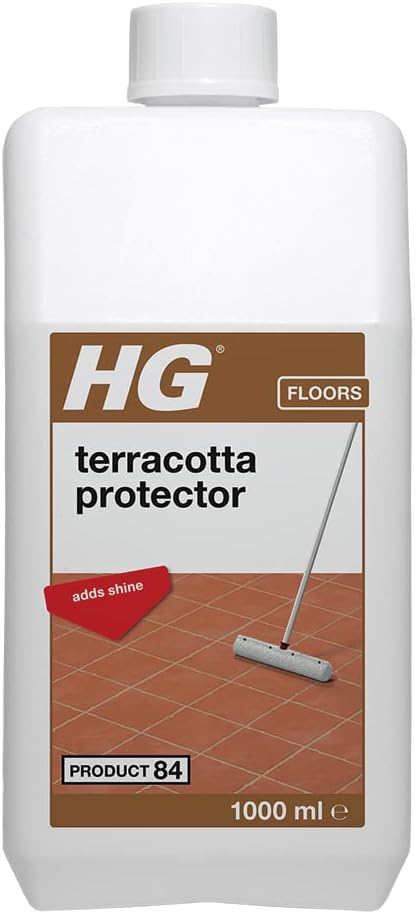
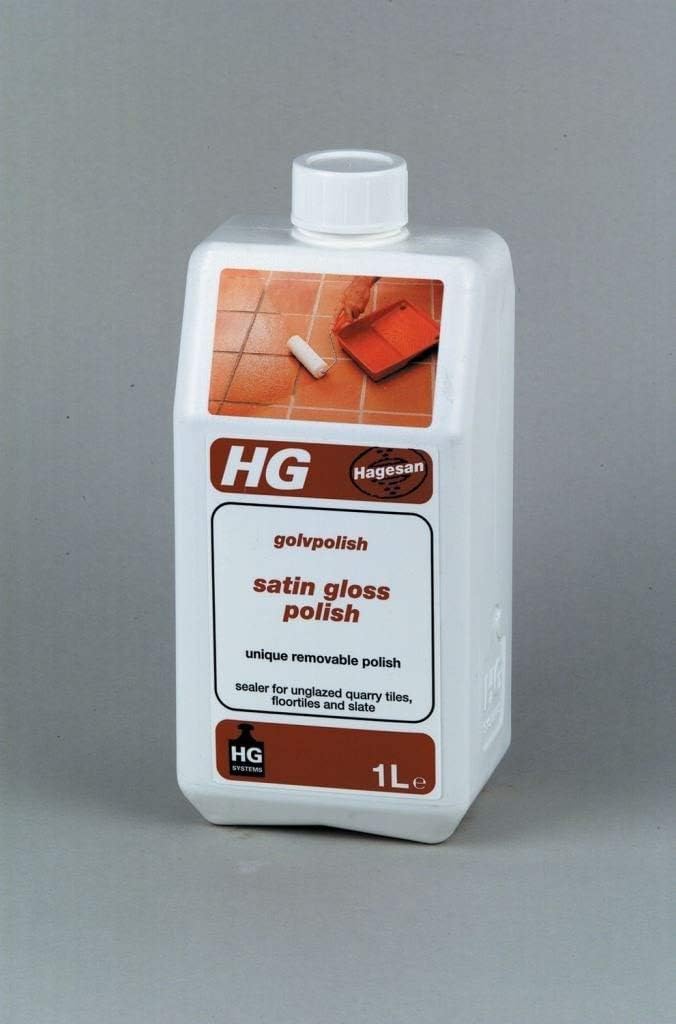
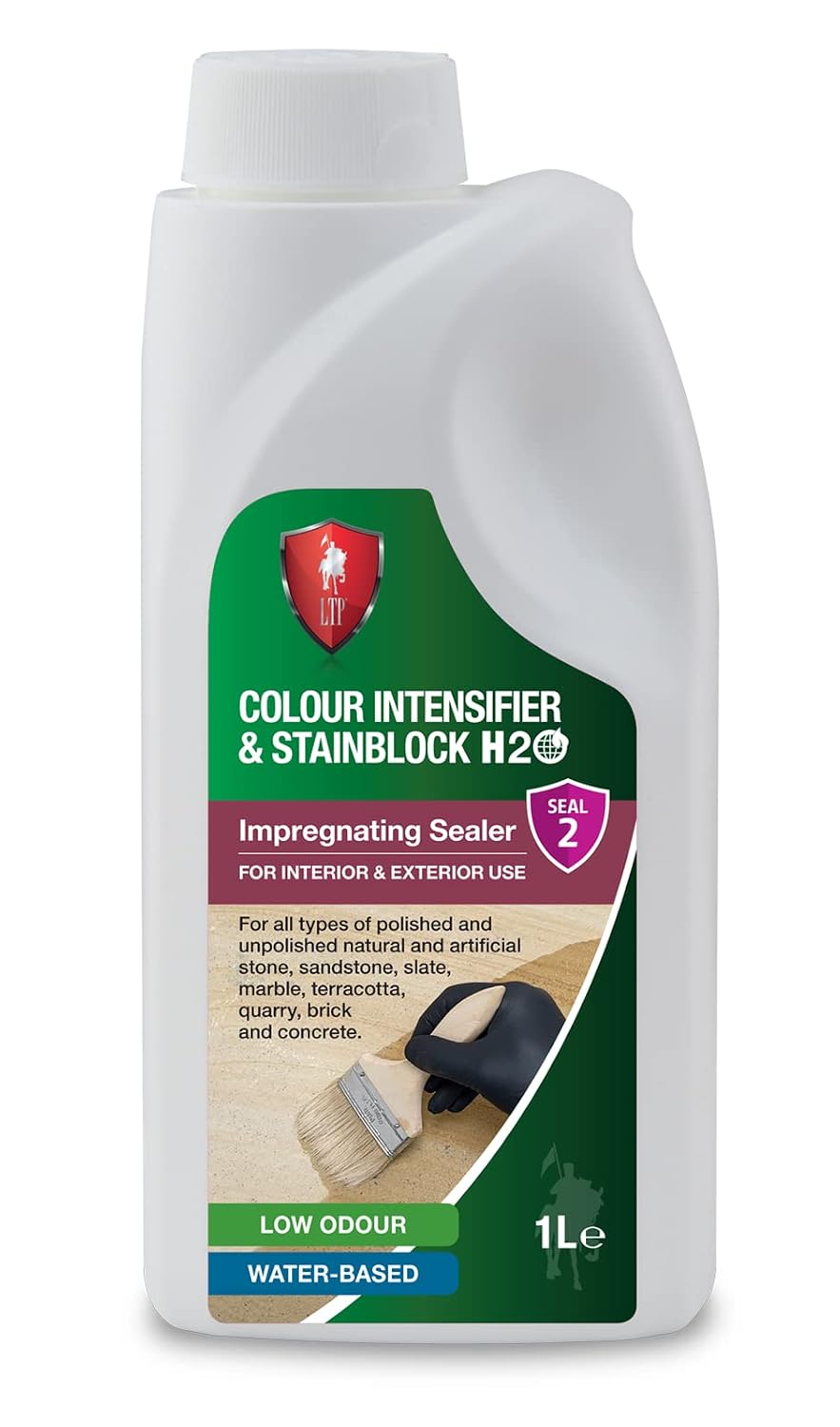
Selecting the appropriate sealant for slate surfaces is crucial for adequate protection. Seek out sealants specifically designed for natural stone, as they penetrate the slate and create a barrier against moisture and stains. Many retailers across the UK offer a variety of sealants, so it’s important to read labels and choose one that suits your specific slate type.
Water-based sealants are often a popular choice due to their ease of application and cleanup. solvent-based sealants may provide a more robust barrier and could be preferable for outdoor slates exposed to harsh weather conditions. consider the finish of the sealant—whether you prefer a glossy, satin, or matte finish can influence your decision.
Before applying any sealant, ensure that the slate is thoroughly cleaned and dried. Performing a patch test on a small, inconspicuous area can help determine how the sealant will appear on your slate surface. Making informed decisions about sealants will enhance the effectiveness of your maintenance routine.
Pro Tip: We recommend these products for daily maintenance cleaning.
Techniques for Proper Sealant Application
Applying sealant to slate surfaces requires meticulous attention to detail for optimal results. Begin by ensuring the slate is completely clean and dry, as any moisture can impede the sealant’s effectiveness. Using a clean cloth or applicator, apply the sealant evenly across the surface, working in small sections to ensure thorough coverage.
Follow the manufacturer’s instructions for application, as different products may require distinct techniques. It is usually advisable to apply two coats, allowing the first coat to dry thoroughly before applying the second. Pay special attention to edges and corners, where moisture is most likely to penetrate.
After application, allow sufficient time for the sealant to cure before using the slate surface. This period is crucial for ensuring that the sealant bonds effectively, providing long-lasting protection. By adhering to proper application techniques, your slate will benefit from enhanced durability and aesthetics, making future maintenance easier.
Regular Maintenance and Reapplication of Sealant
To ensure ongoing protection for slate surfaces, regular maintenance and reapplication of sealant are essential. During routine cleaning, assess the condition of the sealant to determine if it still offers adequate protection. Look for signs of wear, such as dullness or water absorption, which indicate that reapplication is necessary.
Sealants should typically be reapplied every one to two years, depending on exposure to elements and foot traffic. If the slate is situated in a high-traffic area or is exposed to the outdoors, more frequent checks and reapplications may be required. When reapplying sealant, ensure that the slate is thoroughly cleaned and dried to promote a strong bond.
Establishing a maintenance schedule can help homeowners stay on top of reapplication needs. Consider setting reminders on your calendar to check the condition of the slate and schedule cleaning and sealing accordingly. By prioritising regular maintenance, you can extend the life of your slate surfaces, ensuring they remain stunning and durable for years to come.
Common Questions About Slate Cleaning
What is the recommended cleaning frequency for slate surfaces?
The frequency of cleaning slate surfaces depends on usage. Areas with high traffic may require weekly cleaning, while less frequented spaces can be maintained every month.
Is vinegar suitable for cleaning slate?
It is advisable to avoid using vinegar on slate, as its acidity can damage the stone. Opt for pH-neutral cleaners instead.
What is the most effective method for removing stains from slate?
For stubborn stains, a baking soda paste or a specialised slate cleaner can be highly effective. Apply the solution, allow it to sit for a moment, and then scrub gently before rinsing.
Is sealing slate necessary?
Yes, sealing slate is recommended to protect it from stains and moisture. This should be done following installation and every one to two years thereafter.
What tools are essential for cleaning slate?
Essential tools include a soft-bristled brush, mop, microfiber cloths, and a bucket for mixing cleaning solutions.
Can I use a pressure washer on my slate roof?
No, high-pressure washing can dislodge tiles or damage the slate. It is better to use a gentle spray or soft brush instead.
How can I maintain my slate patio?
Regular sweeping, prompt clean-up of spills, and seasonal deep cleaning will help maintain the beauty of your slate patio.
Is it safe to walk on wet slate surfaces?
Wet slate can be slippery, so it is advisable to refrain from walking on it until it is thoroughly dried.
What type of sealant is best for slate?
Look for sealants specifically formulated for natural stone. Water-based adhesives are user-friendly, while solvent-based options provide robust protection.
How can I prevent moss growth on my slate roof?
Regular inspections, clearing debris, and applying biocide treatments can effectively prevent moss growth on slate roofs.
The post How to Clean Slate Floors Without Ruining Them appeared first on https://tilecleaningsurrey.co.uk