Last Updated on October 7, 2026 by David
How Can You Determine the Safest Cleaner for Your Terrazzo Floor?
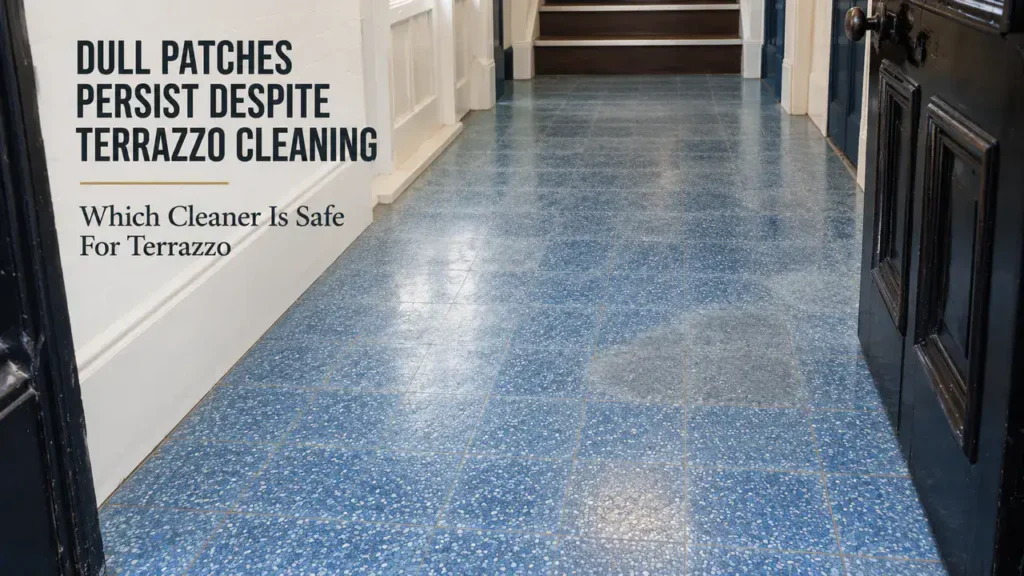
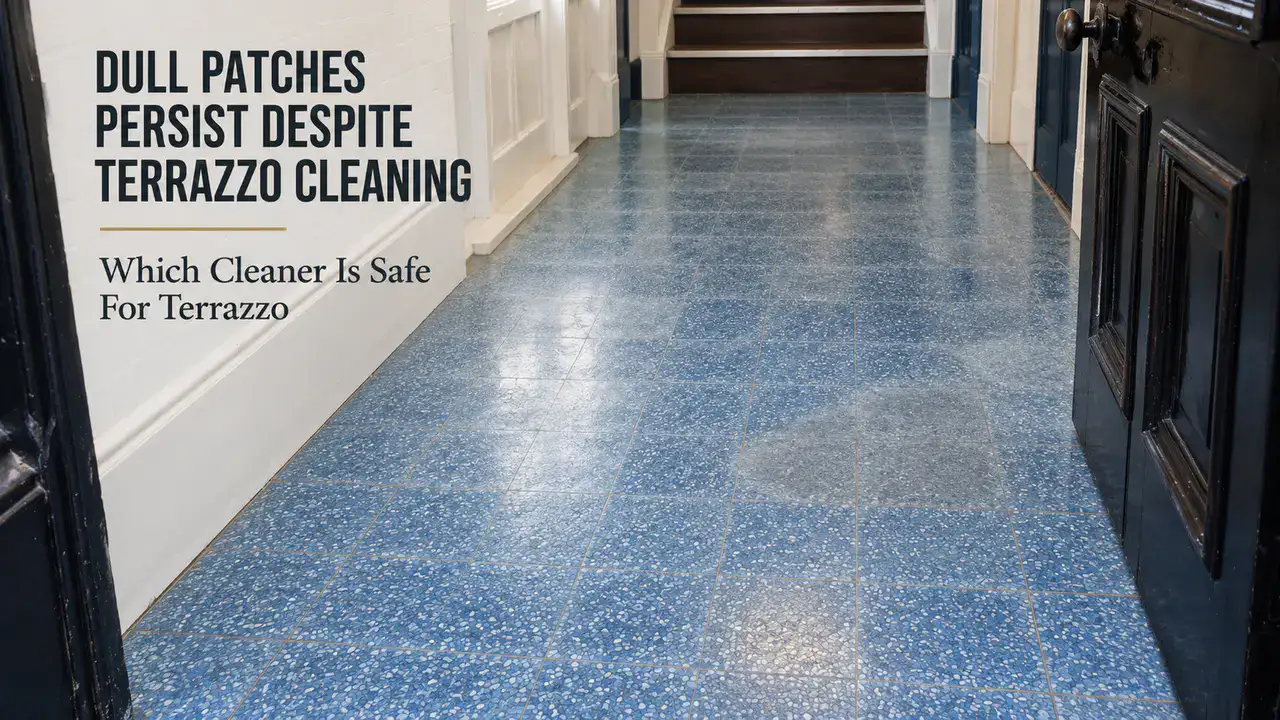
A terrazzo floor that appears dusty, streaky, or darker than anticipated can complicate the identification of whether the issue lies with the cleaning method, the cleaner itself, or the floor’s condition. Comparing the affected area to a cleaner section under the same lighting can clarify whether the problem is due to surface soil or persistent dullness.
Typically, loose dirt improves significantly after careful cleaning, particularly in high-traffic areas such as entrances, kitchens, and hallways where grit is frequently brought in on shoes. If the floor looks noticeably clearer without developing pale patches, it usually indicates a standard maintenance issue rather than the need for a more aggressive cleaner.
If dullness persists even after removing surface residue, it suggests that the issue may extend beyond simple soil. In such cases, a thorough assessment of the floor’s condition is essential instead of merely opting for a stronger cleaning product.
Stains require separate consideration. Marks left by plant pots, kitchen spills, or historical adhesive might remain after standard washing, and dark traffic lanes can form through hallways while the less-trafficked edges retain more colour. selecting a cleaner solely based on its ability to tackle heavy soil may not address the underlying appearance.
The format of the flooring also influences the decision-making process. A continuous poured slab, common in pre-1950 UK properties, behaves differently from the terrazzo tiles that became popular from the 1960s onwards. Individual tiles may exhibit movement, uneven edges, or hollow spots that necessitate a careful evaluation rather than simply applying another product.
Visible signs of deterioration such as cracking, loose edges, sandy patches, and areas that sound hollow when lightly tapped indicate potential underlying issues. These signs may suggest a loss of adhesion or a compromised matrix beneath the visible layer of soil. variations in tile height could pose a trip hazard. It is prudent to pause product selection until the floor’s condition has been thoroughly understood.

Why Do Stains and Dull Patches Persist After Cleaning?
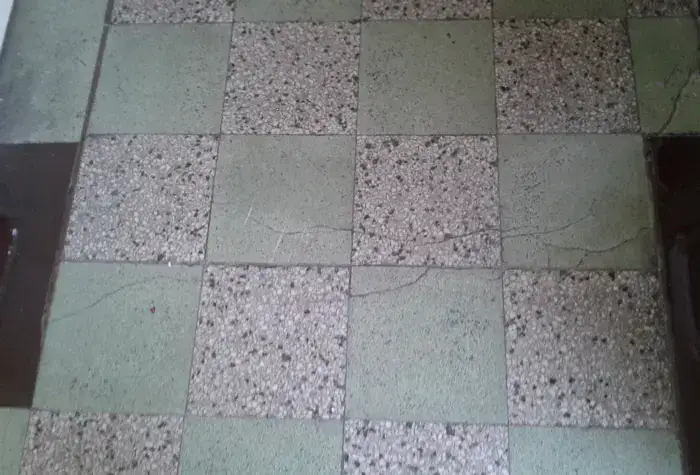
Even after loose soil and residue have been removed, persistent dull patches and dark traffic lanes may still be noticeable under low-angle lighting. Removable soil and residue typically clear from a similar undisturbed area, whereas a compromised cement matrix often appears grey, pale, or uneven.
Acid etching occurs when acidic substances dissolve the cement surface and the calcium-carbonate decorative chips. This results in a dull, roughened appearance that cannot be rectified through washing; instead, mechanical resurfacing is required.
Binder weakening, which reflects the deterioration of the cement, increases porosity, allowing dirt to settle beneath the cleanable surface. Indications of progressive damage include dark lanes, a chalky texture, and recurring discolouration, which may necessitate professional assessment for surface renewal rather than repeated chemical cleaning.
Lippage refers to height discrepancies between adjacent terrazzo tiles. These uneven edges not only reflect light and attract dirt but can also present safety concerns. The solution lies in grinding and flattening the surface, rather than merely opting for a product.
Wear can diminish clarity without leaving behind removable deposits. A suitable cleaner may still enhance the floor’s appearance by removing contaminants, but it cannot restore lost surface material, eliminate scratches, or even out tile variations. Overuse of stronger cleaners can exacerbate the situation.
Which Cleaning Errors Lead to Irreversible Damage?
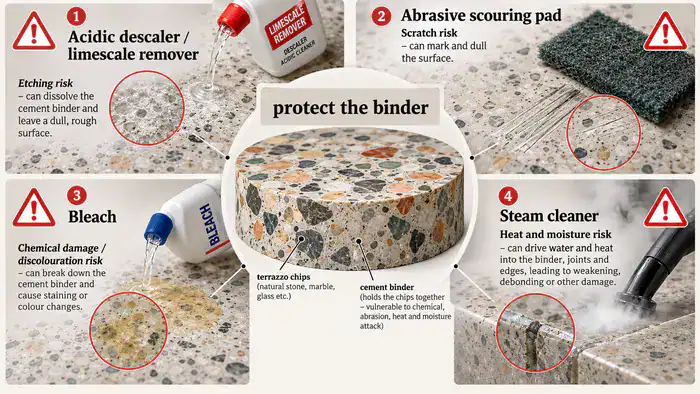
Employing harsh products on terrazzo can transform a simple cleaning job into one that results in permanent surface damage. Always check the product label and inspect for soft or chalky areas before proceeding. Acidic products cause immediate chemical dissolution, while bleach, steam, and abrasive tools pose distinct threats to the cement matrix and decorative chips.
Acid etching is immediate and permanent on terrazzo.
Frequent use of strong alkaline cleaners leads to progressive cement deterioration by attacking the calcium-silicate structure, especially if poor rinsing leaves alkaline residues behind. If the surface feels crumbly or chalky, a specialist can conduct binder integrity testing to differentiate between low-risk surface soil and conditions requiring professional intervention rather than further scrubbing.
Chemical poultice treatment employs absorbent materials, such as kaolin or diatomaceous earth, to facilitate solvent extraction, capillary draw, and oil stain removal. the application of plastic wrap and evaporation must be carefully managed and should not be subject to casual experimentation. Discolouration from phenolic disinfectants or cresol can lead to yellowing or dark stains due to chemical reactions with the cement binder, while chemical crystallisation involves a fluorosilicate thermo-chemical reaction that generates a micro-crystalline layer through friction heat. Neither process should be part of standard product selection.

Readers interested in identifying additional warning signs can compare these risks with common hidden threats to terrazzo floors. The practical approach is clear: clean carefully where surface soil is loose, but consult a professional if the matrix feels weak or if the floor’s appearance remains altered.
Choosing the Right Cleaner for Cement-Based Terrazzo
Routine Maintenance
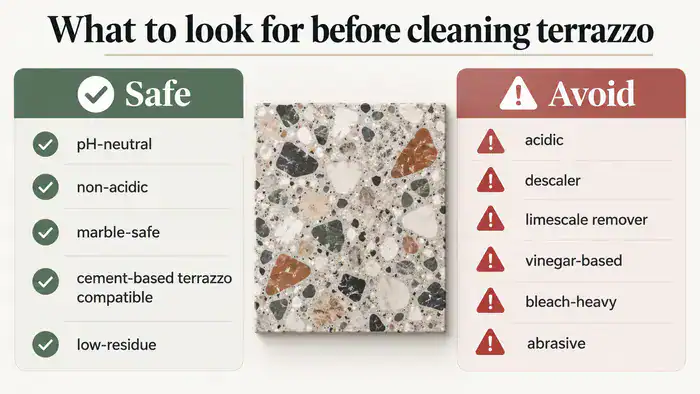
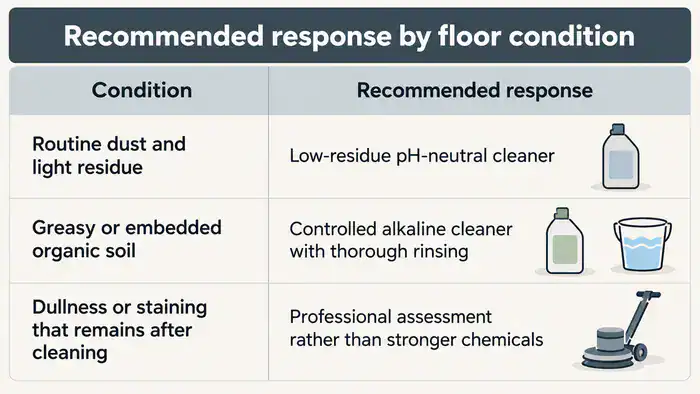
For a floor that collects light dust or everyday kitchen residue, opt for a low-residue, pH-neutral cleaner instead of a stronger formulation. Acid-free, marble-safe products maintain the pH balance, leave minimal residue, and facilitate everyday cleaning without the risk of etching. Begin by removing dry grit with a soft microfibre pad before damp mopping.
Addressing Heavier Embedded Soil
Persistent greasy contamination after routine cleaning may warrant the use of a controlled alkaline cleaner, as professional-grade alkaline formulations are effective for organic soil removal and contamination extraction. The application must be monitored, limited in use, and thoroughly rinsed, as residual alkalinity can exacerbate binder deterioration. A rotary scrubber or floor buffer cannot replace careful slurry management.
Recognising When Product Selection Has Reached Its Limits
If dullness, dark traffic lanes, or stains continue to persist after suitable cleaning, it indicates that a cleaner has reached its practical limits. In such instances, professional evaluation may be necessary, with mechanical grinding using a planetary grinding machine being one possible restoration method.

Mechanical resurfacing removes a thin layer of wear rather than masking it with polish or sealant. Through proper grinding, honing, and, where appropriate, polishing, the floor can regain a significantly improved appearance. An adequately sealed surface will also be easier to clean and maintain compared to one that is worn or improperly treated.
Identifying Terrazzo Compatibility on Product Labels
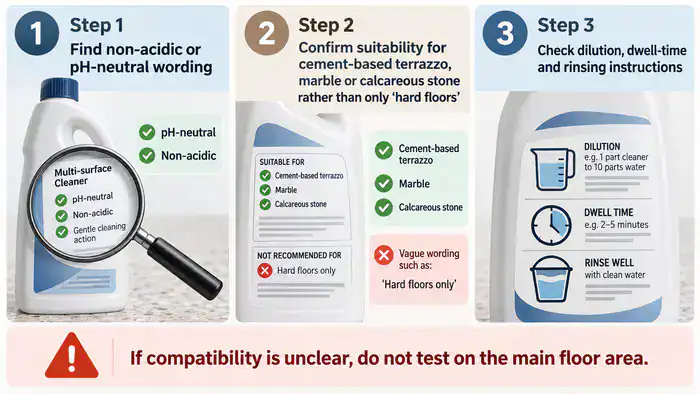
When examining the cleaner bottle, look for clear indications of terrazzo compatibility: non-acidic chemistry, pH-neutral for routine use, and low residue. The label should explicitly confirm suitability for cement-based terrazzo, rather than relying on broad claims of suitability for all hard floors.
Pro Tip: We recommend these products for daily terrazzo maintenance cleaning.
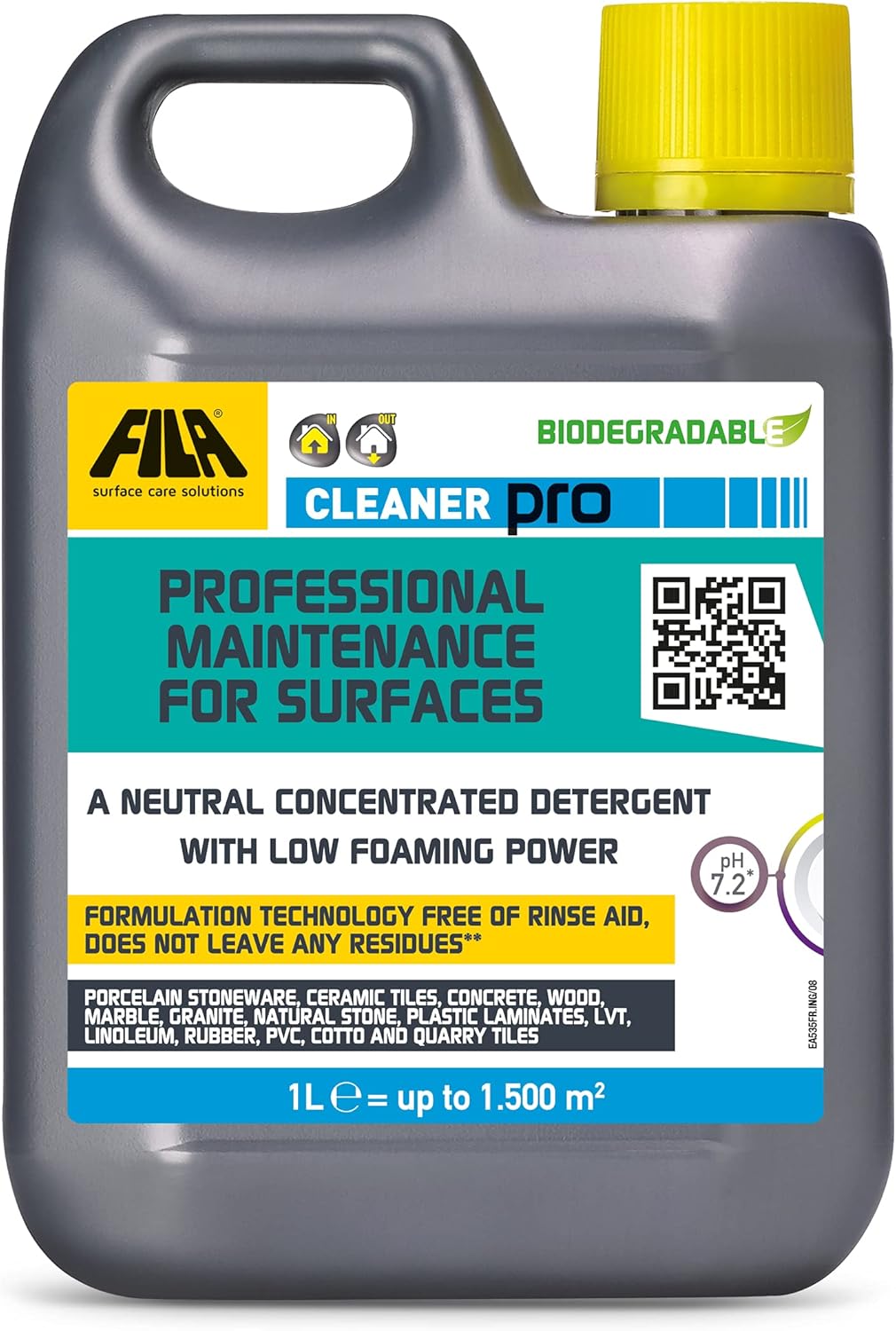
Fila Pro Floor Cleaner
|
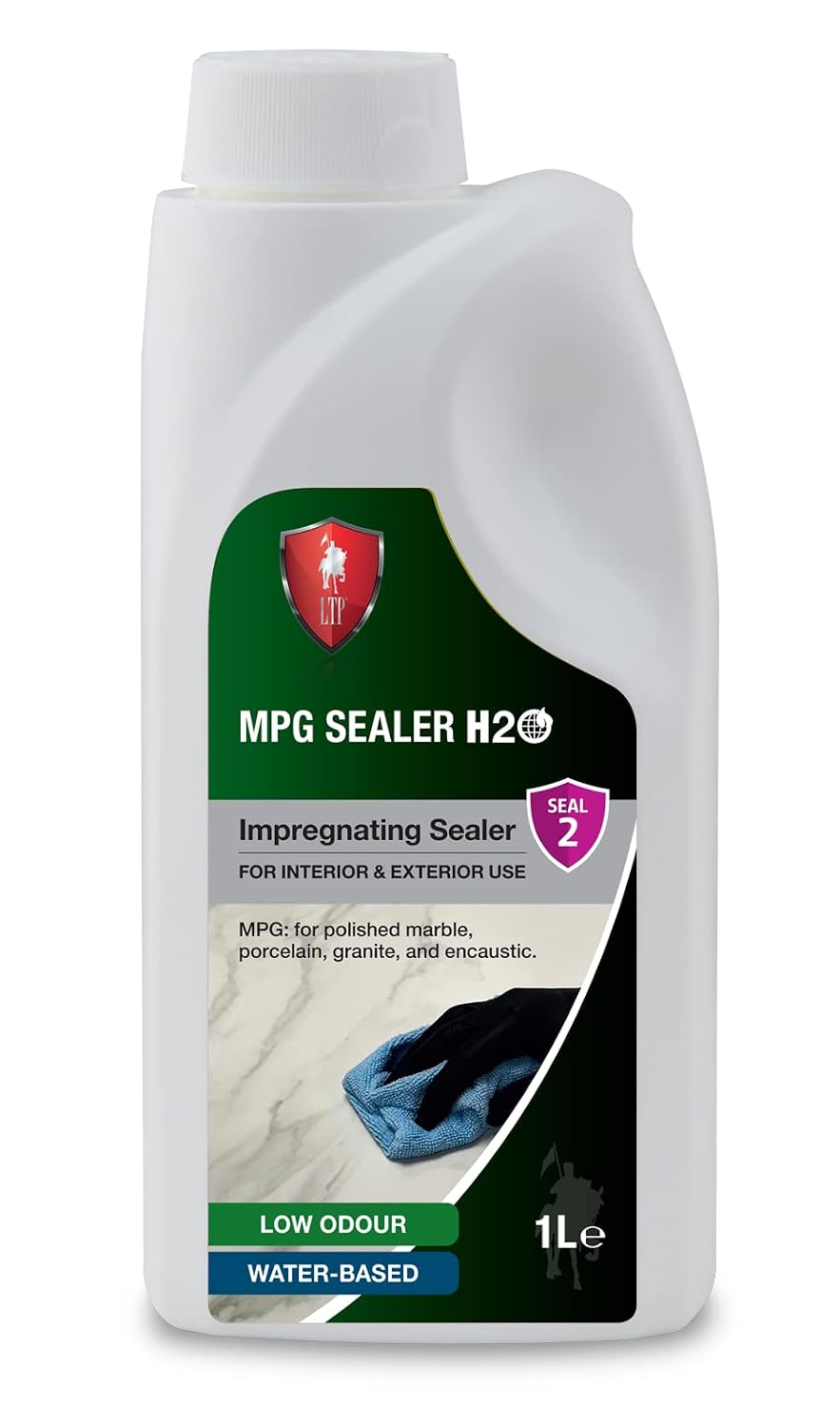
LTP MPG Sealer H20
|
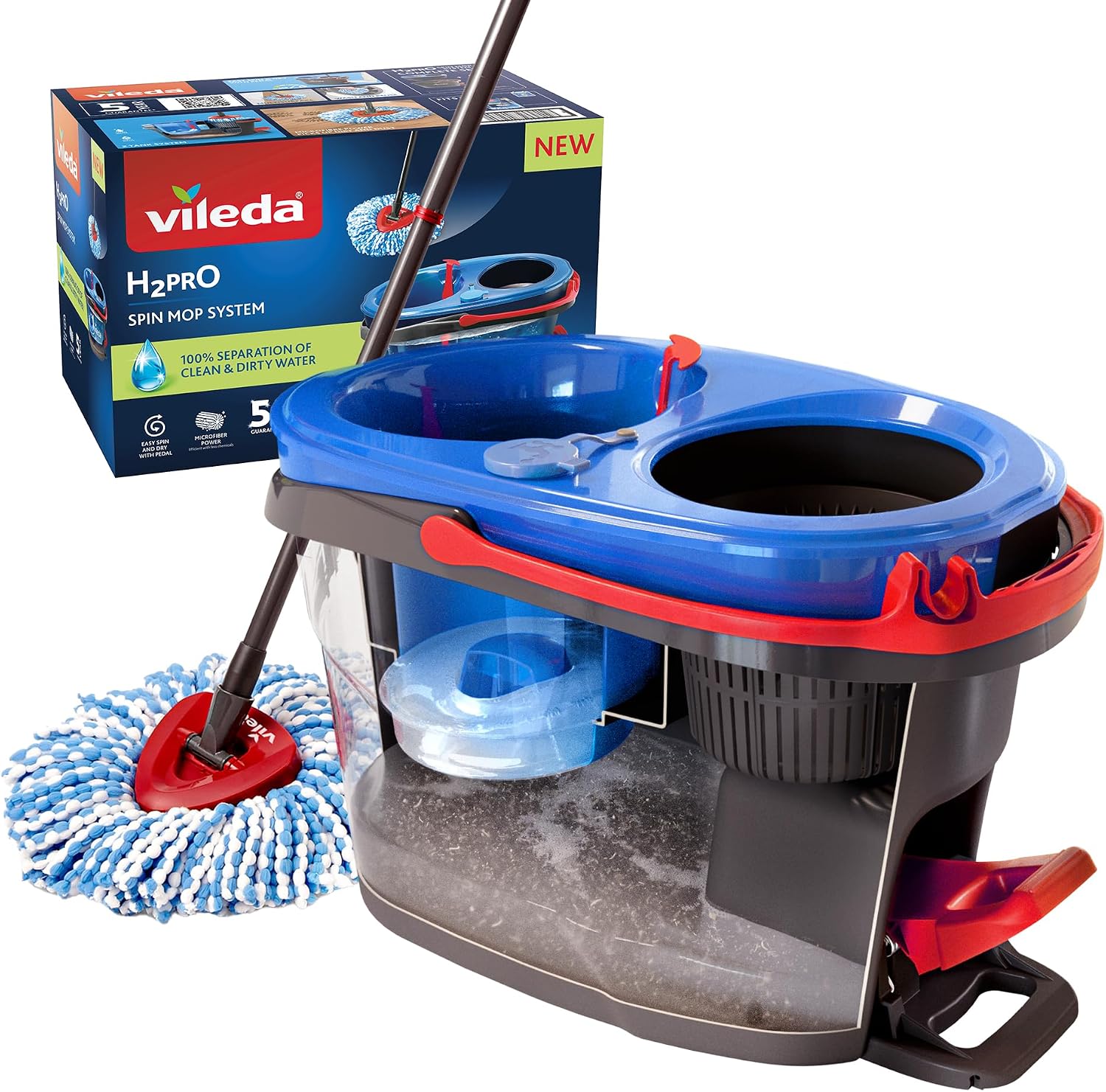
Vileda H2PrO Spin Mop System
|
A suitable cleaner facilitates routine maintenance without leaving a detergent film and must not claim to restore scratches, etching, or a weakened matrix. Claims of waterproofing also require scrutiny; a cleaner cannot create a moisture barrier, whereas a sealer reduces absorption but does not prevent acid damage or scratching.
Effective ongoing maintenance begins with removing grit before wet mopping. This minimises stain penetration and helps maintain gloss. Correct pH-neutral cleaning, prompt removal of spills, and timely reapplication of sealers provide the best protection for the longevity of the floor. For broader care, polishing, and restoration, refer to the comprehensive terrazzo flooring guidance.

David Allen — Abbey Floor Care
David Allen brings over 30 years of expertise in assisting UK homeowners with the evaluation of terrazzo cleaning products and restoration needs through Abbey Floor Care. His buyer-centric advice focuses on matching pH-neutral and controlled deep-cleaning options to cement-based terrazzo while recognising when dullness, staining, or binder wear necessitates specialist evaluation.
The Article Dull Patches Persist Despite Terrazzo Cleaning first found on https://abbeyfloorcare.co.uk