
Last Updated on November 10, 2026 by David
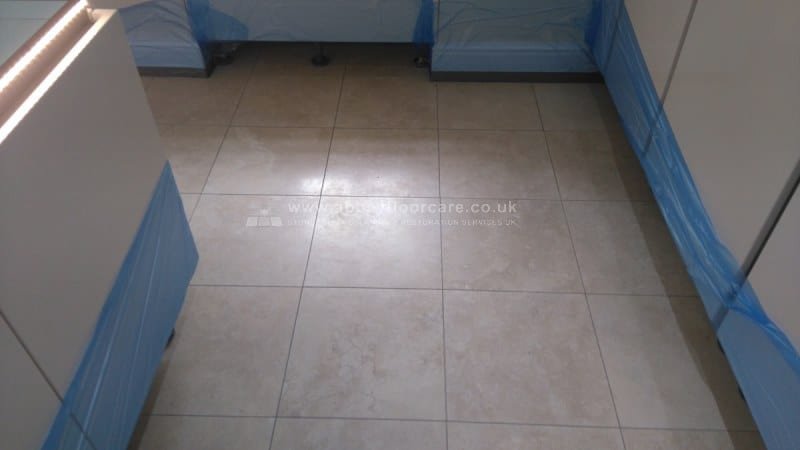
This polished travertine floor located in Jesmond, Newcastle upon Tyne, had lost its lustre. The grout had accumulated significant soiling, and several holes had formed in the stone. The homeowners were eager to have the floor thoroughly cleaned and its polish restored to its former glory.
Our restoration process involved a comprehensive approach, including cleaning, targeted resin filling, diamond honing, and powder polishing, followed by a sealing phase. The cleaning effectively removed the accumulated dirt, while the repairs and surface refinement prepared the floor for a beautifully restored deep gloss finish.
Why Cleaning Alone Was Insufficient for This Dull Floor
The restoration project comprised three core tasks: cleaning the travertine and grout, filling in the holes, and reinstating the polished finish. It was crucial to treat these aspects separately. While cleaning eliminated contaminants, it would not fill the cavities or achieve the surface refinement necessary for a successful restoration.
Travertine is inherently porous and contains natural cavities, some of which may become exposed over time due to wear. the presence of these holes does not solely explain their formation. In this instance, we filled the holes as part of the overall surface restoration.
How We Cleaned the Travertine and Grout Effectively
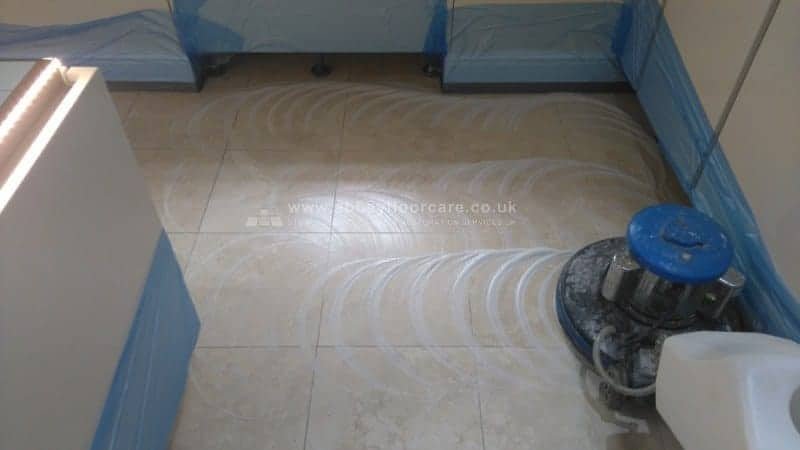
Our initial step involved cleaning both the travertine and the soiled grout using specialised travertine cleaners and a rotary scrubbing machine. Following this, the resulting slurry was thoroughly rinsed away with clean water, allowing the floor to dry completely.
This cleaning phase was essential in removing dirt prior to beginning the filling and finishing processes. It is vital to rinse thoroughly on travertine because if any dirty cleaning solution remains, it can get trapped in the stone’s cavities, surface texture, and grout joints.
What Steps Were Taken to Fill Holes and Restore the Polish?
After the floor had dried completely, we filled the holes using a two-part resin filler. This filler was subsequently sanded to achieve a smooth finish that blended seamlessly with the surrounding floor, ensuring the repairs were level before proceeding to the finishing stages.
We then diamond-honed the floor to create an even sheen across the surface. Following this, travertine polishing powder was applied to restore a deep gloss. These steps were distinct: honing established the consistent sheen, while powder polishing enhanced the gloss that the homeowners desired.
For homeowners contemplating similar restoration work, it is important to tailor the extent of honing to the specific condition of the floor. Travertine’s hidden cavities can become more pronounced with unnecessary abrasion. The goal of restoring a polish should never involve removing more stone than is necessary based on the floor’s condition.
Why Sealing the Restored Travertine Is Crucial
In the final stage, we applied an impregnating sealer to the travertine. This type of sealer offers protection by reducing liquid penetration without forming a surface film. The honing and polishing processes were responsible for restoring the floor’s finish, rather than relying on a glossy coating.
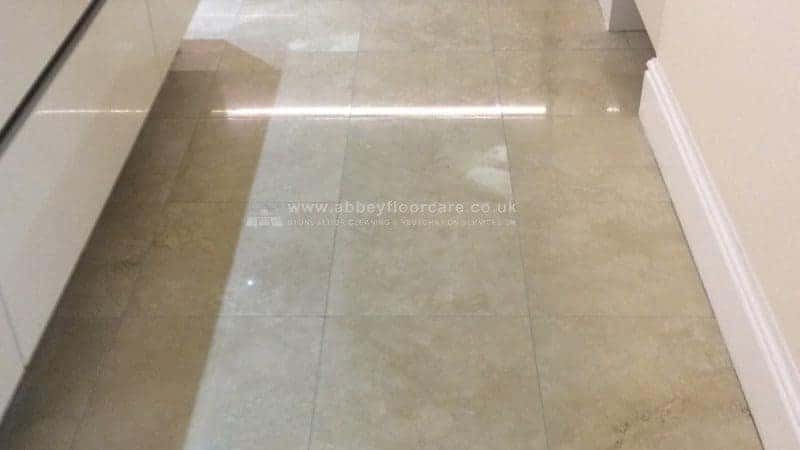
The completed restoration resulted in an even sheen complemented by a deep gloss, with all holes filled and the travertine securely sealed. This project illustrates the necessity of combining cleaning, local repairs, and surface refinement to address a dull travertine floor effectively.
How to Maintain Your Restored Polished Travertine Floor
For a floor like this, regular maintenance should effectively remove grit and cleaning residues without damaging the stone or unnecessarily wearing down its finish:
- Begin by vacuuming loose grit before damp mopping to minimise scratching.
- Use a pH-neutral stone cleaner along with a well-wrung microfibre mop, steering clear of excess water and cleaner residue.
- Avoid acidic cleaners and standard descalers, as these can etch travertine. Remember, an impregnating sealer does not render the stone immune to acid.
- Refrain from using domestic steam mops for regular maintenance; their heat, moisture, and limited soil recovery capabilities may not be suitable for fillers, grout, and existing treatments.
Pro Tip: Recommended Products for Daily Travertine Maintenance Cleaning
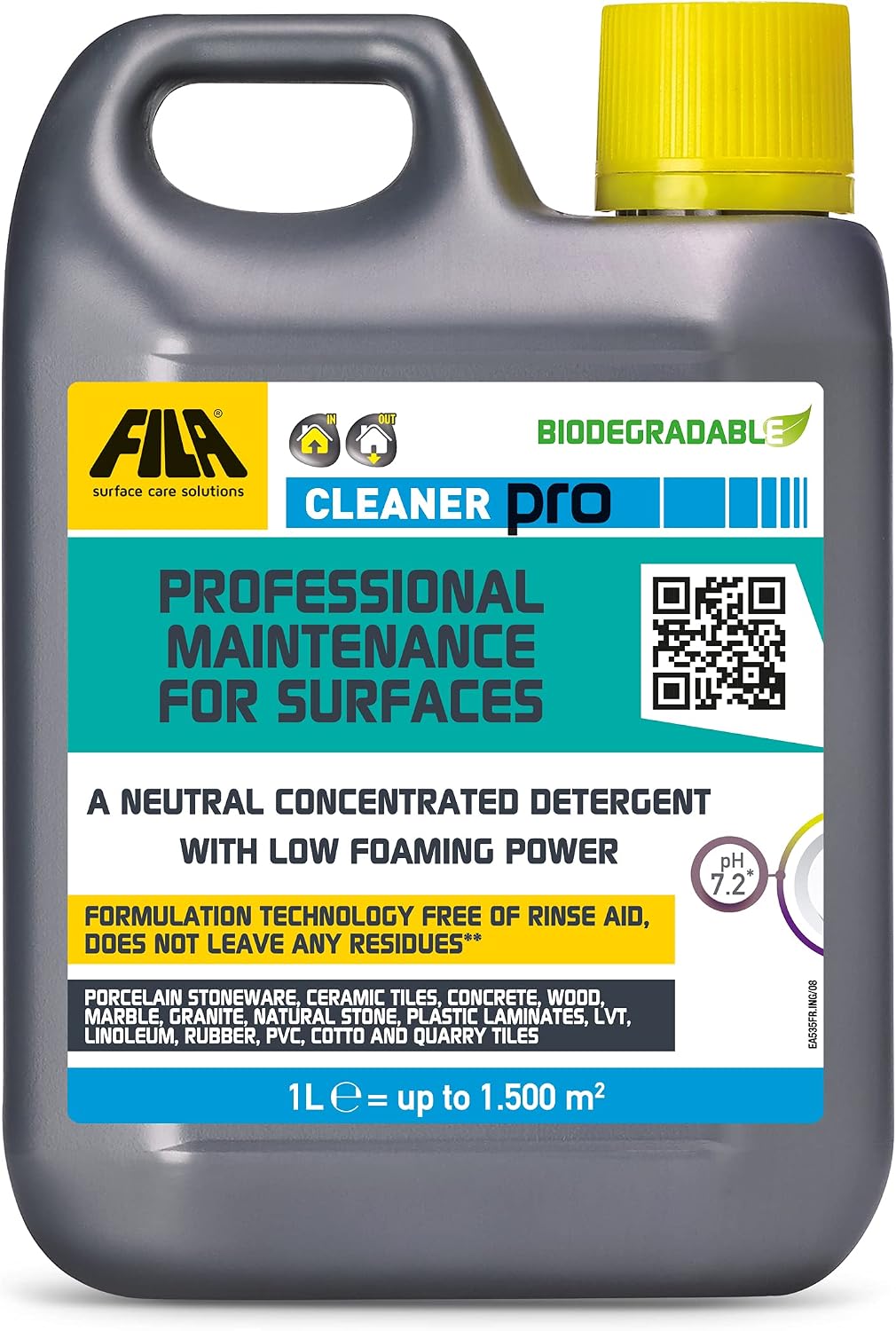
Fila Pro Floor Cleaner
|
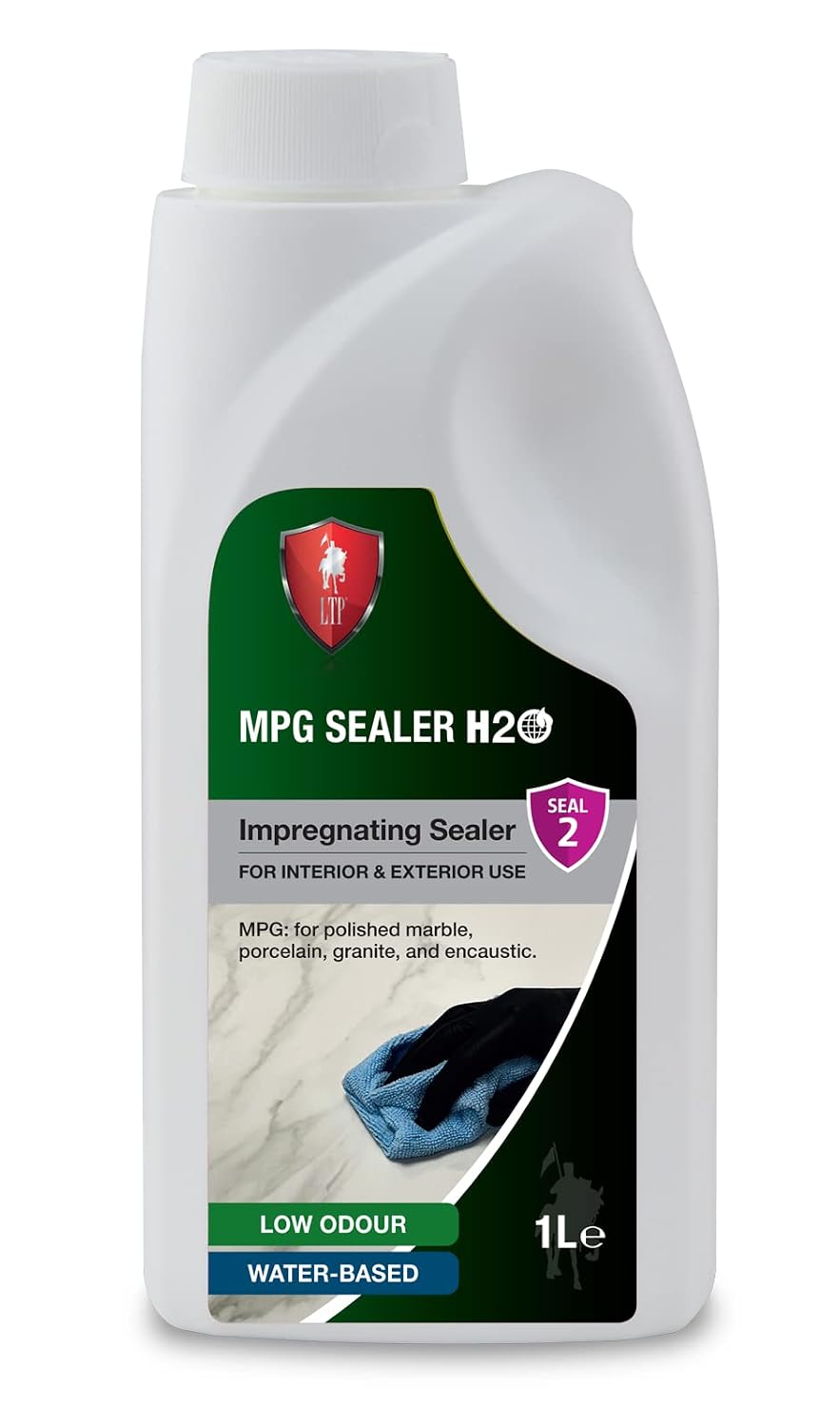
LTP MPG Sealer H20
|
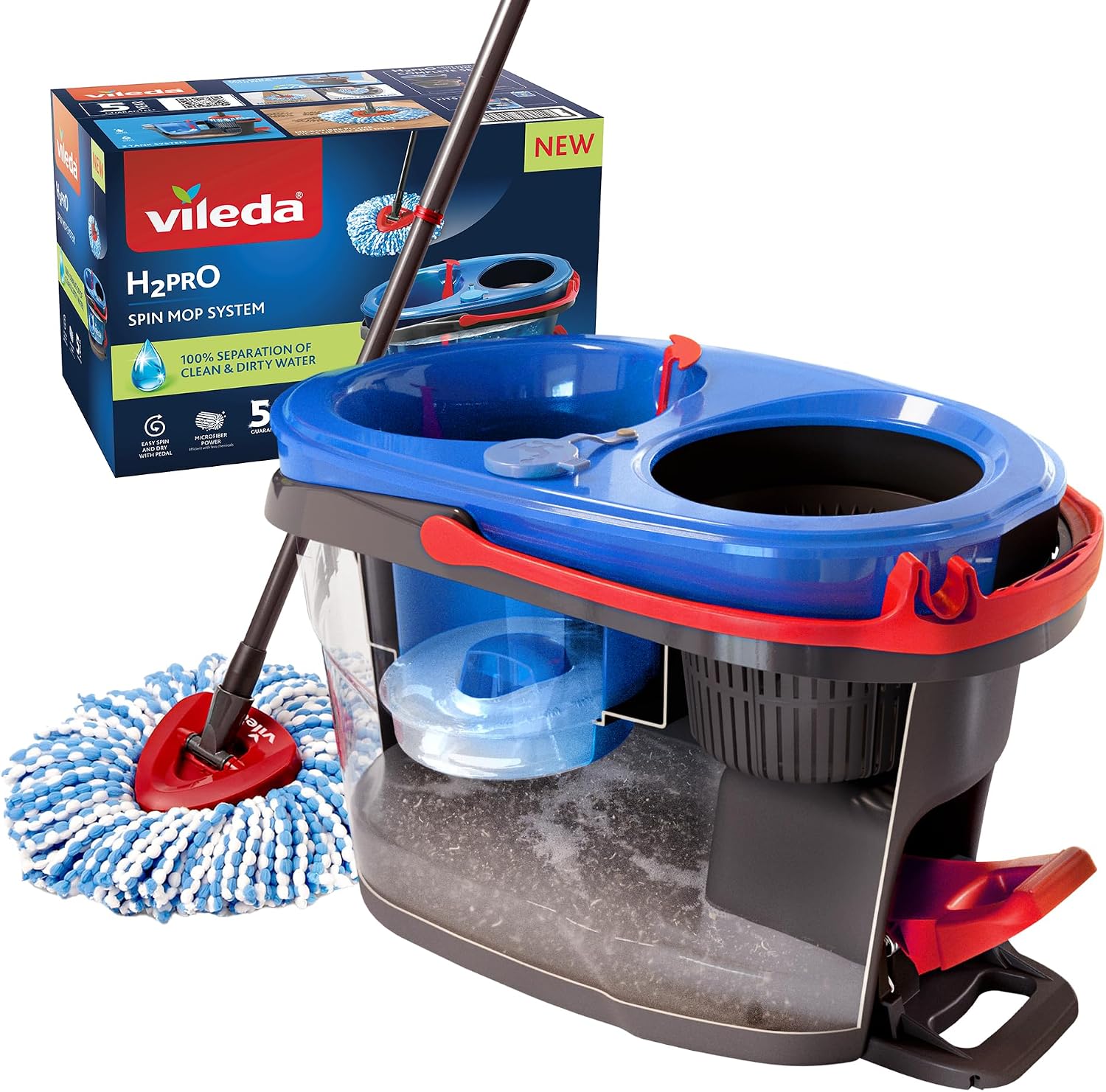
Vileda H2PrO Spin Mop System
|
Renewing the sealer should follow the product guidelines and be based on the floor’s performance rather than a predetermined schedule. If the finish appears dull once more, differentiate between residue build-up and scratches or etching prior to selecting another treatment.

David Allen — Abbey Floor Care
David Allen of Abbey Floor Care boasts over 30 years of hands-on restoration expertise. His professional background encompasses travertine cleaning, filling, honing, polishing, and sealing, with treatments tailored to the condition and desired finish of the stone.
The Article Dull Floors Need Travertine Floor Restoration In Jesmond first found on https://abbeyfloorcare.co.uk