The Mop Mistake That’s Making Your Grout Look Worse
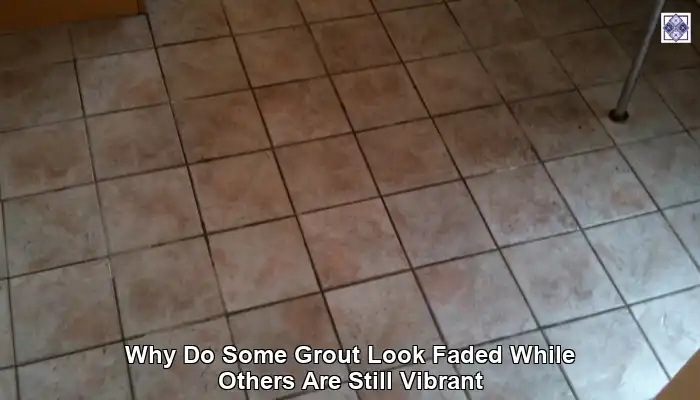
Grout Fading: Grout may seem sturdy and low-maintenance, but when cleaning routines go wrong—especially with the wrong mop—your floor’s appearance can take a hit. You might think your grout is just aging, but more often, it’s reacting to leftover residue and excess moisture from cleaning tools that aren’t designed with grout in mind.
The Real Culprit: Residue, Pressure & Soaking
Here’s what happens behind the scenes when the wrong mop meets your grout:
- Dirty Water Drag: String mops and sponge-style heads absorb grime and distribute it into the grout joints, leading to discolouration and that dull, stained look.
- Residue Build-Up: Some mops leave traces of detergents behind, which settle into porous grout lines and dry into a cloudy film—especially visible on lighter tiles.
- Over-saturation: Mops that retain too much water can flood grout lines, weakening the bonding matrix and inviting the growth of efflorescence, mildew, or erosion.
- Sealant Breakdown: If harsh chemicals are pulled across the floor with aggressive mops, they can degrade protective sealants, leaving grout exposed and patchy.
Pro Tip: Recommended Products for Daily Grout Maintenance
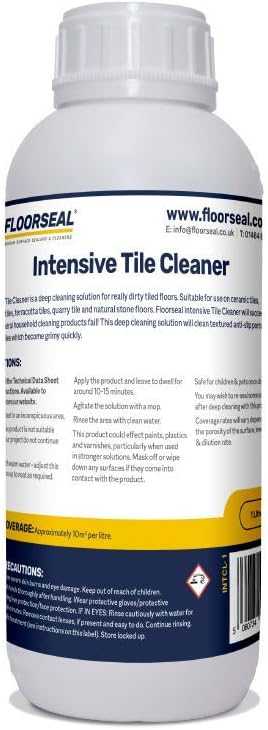
Floorseal Intensive Tile Cleaner
|
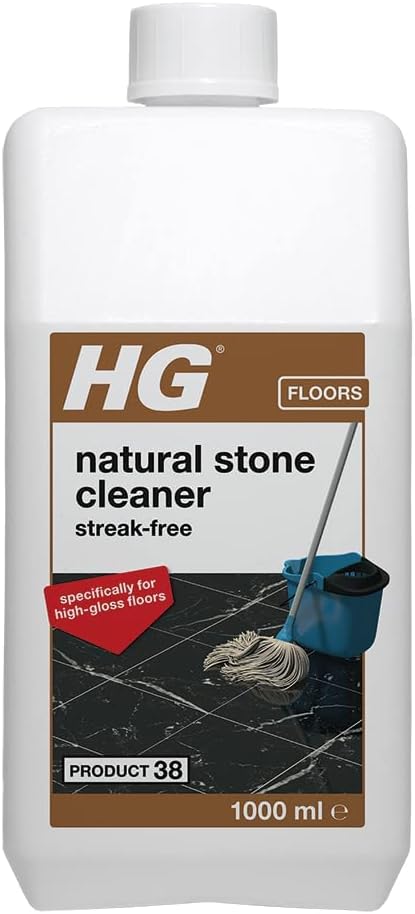
HG Natural Stone Cleaner 38
|
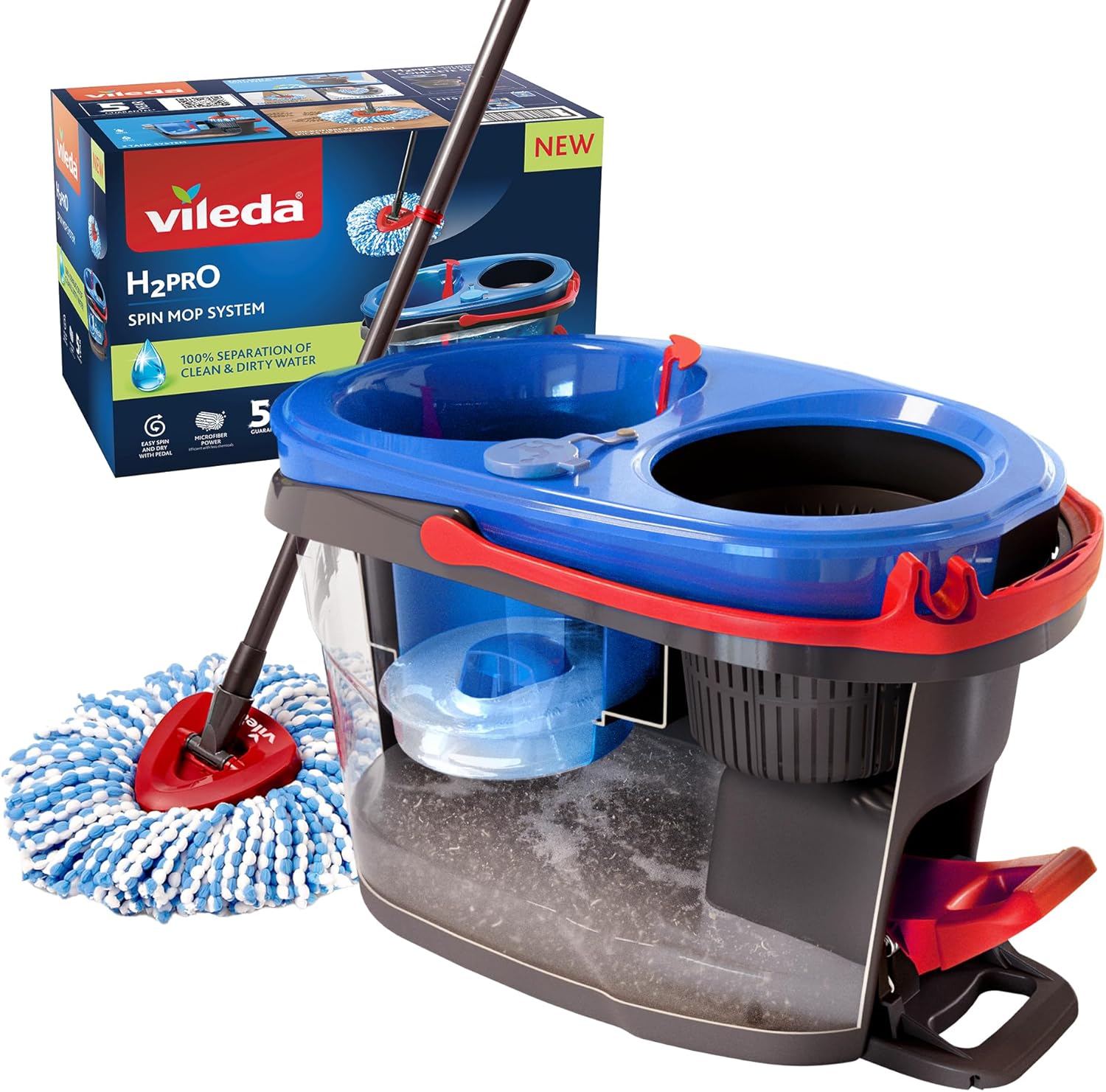
Vileda H2PrO Spin Mop System
|
What Homeowners Can Do Differently
Clean floors shouldn’t come at the cost of clean grout. To prevent unnecessary fading or staining:
- Select a flat-head microfiber mop that efficiently lifts dirt without oversaturating the surface.
- Swap your mop water regularly to prevent dirty water from redistributing throughout the area.
- Use pH-neutral cleaners with minimal residue and always rinse and dry your floor—grout should never be left wet.
- For stubborn grout lines, hand-cleaning with a gentle brush ensures grime lifts rather than settles.
Essential Cleaning Practices for Grout Maintenance
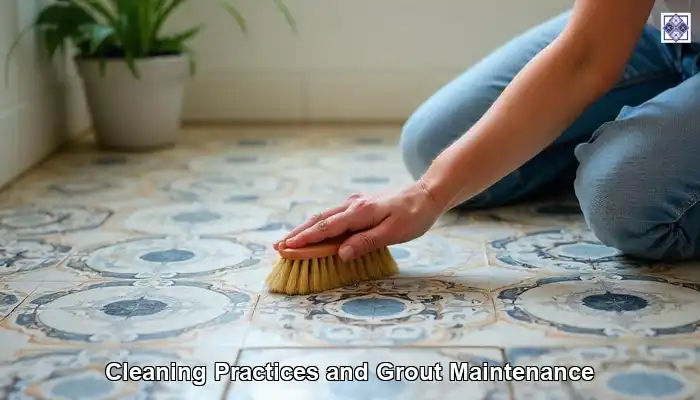
Effective cleaning practices are crucial for maintaining the appearance of grout. Regular maintenance not only helps to preserve the original colour and vibrancy of grout but also extends its lifespan, making it essential for homeowners to develop diligent cleaning habits.
The Critical Importance of Regular Grout Cleaning
Regular cleaning of grout is not merely a cosmetic concern; it is an essential aspect of maintaining hygiene and aesthetics within one’s home. Grout lines, particularly in kitchens and bathrooms, are susceptible to the accumulation of dirt, mould, and mildew. Furthermore, neglecting regular cleaning can result in a build-up of grime that ultimately dulls the colour of the grout, effectively clarifying why some grout looks faded while others remain vibrant.
Establishing consistent cleaning routines can help prevent this buildup while maintaining the grout’s appearance. For example, incorporating a weekly quick wipe-down of grout lines using a mild cleaning solution can yield significant improvements. Although this may seem tedious, this practice can ultimately save homeowners time and money by reducing the need for deep cleans or extensive restoration efforts.
Additionally, regular cleaning enables homeowners to identify stains or discolouration at an early stage, making it easier to address issues before they become permanent. This proactive approach to grout maintenance cultivates a cleaner, healthier living environment while ensuring that grout remains vibrant and visually appealing.
Utilising Proper Cleaning Techniques for Grout Preservation
Employing the correct cleaning techniques is essential for preserving the colour and integrity of grout. Many homeowners inadvertently use abrasive scrubbing tools or harsh chemicals, which can lead to deterioration and fading over time. Instead, gentle cleaning methods should be adopted, utilising soft brushes or cloths to avoid scratching the grout surface.
For effective cleaning, a mixture of warm water and vinegar can serve as a potent ally against grime without risking damage to the grout. This natural solution can dissolve dirt and prevent build-up, allowing the grout to retain its shine. Following this with a thorough rinse ensures that no residue remains, safeguarding the vibrancy of the grout.
Moreover, homeowners should steer clear of the common pitfall of overusing bleach. While bleach can be effective for whitening, excessive use can weaken the grout structure, resulting in fading and discolouration. Instead, focusing on preventative cleaning methods can help maintain the grout’s original colour, enhancing its longevity.
Steering Clear of Harsh Chemicals in Grout Cleaning
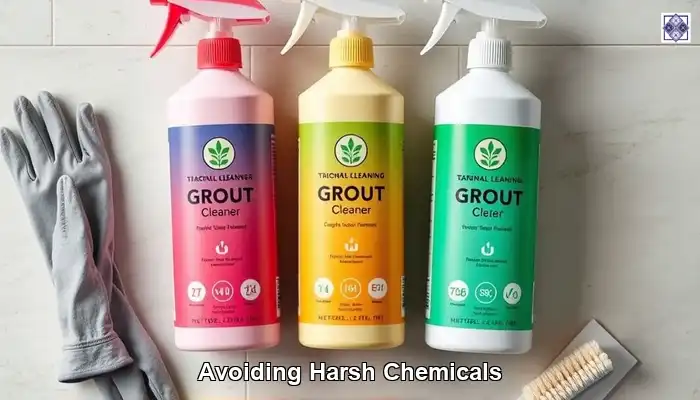
While it may seem convenient to employ harsh chemicals for cleaning, the long-term consequences can be detrimental, especially for grout. Strong chemical cleaners can strip away the protective sealant that safeguards grout from moisture and stains, leading to a faded and worn appearance over time. Many homeowners may be shocked to discover that the very products they rely on for cleaning could be contributing to the fading of their grout.
For a safer alternative, consider eco-friendly cleaning products or simple homemade solutions, which can effectively clean without risking damage to your belongings. These alternatives not only preserve the grout’s appearance but are also more environmentally friendly. Additionally, using pH-neutral cleaners can help maintain the integrity of the grout, ensuring that its vibrancy endures.
Educating oneself about the ingredients in cleaning products can empower homeowners to make informed choices regarding the products they use. By opting for gentler solutions and avoiding harsh chemicals, the question of why some grout appears faded while others remain vibrant can be significantly addressed.
Recognising the Benefits of Grout Sealing
Grout sealing is a vital component of grout maintenance that homeowners should not overlook. Applying a high-quality grout sealer creates a protective barrier against moisture, stains, and dirt that could otherwise lead to fading. This simple yet effective practice can greatly enhance the longevity of grout, ensuring it remains vibrant and visually appealing over time.
Regular sealing, ideally every six months, can help bolster grout’s resilience against the daily elements it encounters. For individuals residing in areas with high humidity or frequent spills, such as kitchens and bathrooms, sealing becomes even more crucial. A well-sealed grout line prevents water absorption, which diminishes the likelihood of mould and mildew growth, thereby preserving its appearance.
Furthermore, sealing grout can significantly simplify the cleaning process. Grout that is properly sealed is less prone to staining, allowing for more efficient routine cleanings. By adhering to a regular sealing schedule, homeowners not only address fading issues but also streamline their cleaning routines, enabling them to enjoy their beautiful tile work for many years to come.
Implementing Effective Spot Cleaning Techniques
Spot cleaning is an indispensable practice that every homeowner should adopt to maintain the appearance of grout. Addressing stains and spills as soon as they occur is crucial in preventing permanent discolouration. Common culprits, such as red wine or coffee, can leave lasting stains if not treated promptly.
To effectively manage stains, it is advisable to maintain a supply of suitable cleaning solutions at home. For example, a mixture of baking soda and water serves as a natural and effective stain remover. Applying this paste directly onto the stain and allowing it to sit can work wonders in breaking down stubborn grime without harming the grout.
Additionally, using a soft brush or cloth to scrub the area gently can help lift the stain without damaging the grout surface. It is essential to rinse thoroughly with clean water afterwards to remove any residual cleaning solution, ensuring that the grout retains its original colour.
By implementing these spot cleaning techniques, homeowners can maintain the vibrancy of their grout lines and effectively address the ongoing concern of why some grout appears faded while others remain vibrant.
Exploring Various Types of Grout and Their Durability
The type of grout selected for a project can profoundly influence the longevity and appearance of tiled surfaces. Understanding the distinctions between various grout types can empower homeowners to make informed decisions that enhance both the durability and vibrancy of their grout.
Discovering the Advantages of Epoxy Grout
Epoxy grout is often regarded as one of the superior choices for areas that are prone to high moisture or staining potential. This type of grout consists of a resin and hardener, creating a chemical bond that is resistant to cracking and fading. The robust nature of epoxy grout makes it a popular option for kitchens and bathrooms, where spills and moisture are commonplace.
One of the primary advantages of epoxy grout is its remarkable resistance to stains. Unlike traditional cement-based grouts, epoxy grout does not absorb liquids, making it far less likely to discolour over time. This resistance directly addresses the issue of why some grout appears faded while others remain vibrant, allowing homeowners to enjoy enduring vibrancy without the necessity for constant maintenance.
Additionally, epoxy grout is easy to clean, requiring less effort than its cement-based counterparts. Its smooth finish prevents dirt and grime from clinging, further prolonging its appearance. For those seeking to strike a balance between aesthetics and practicality, epoxy grout presents an excellent investment for maintaining vibrant tile and grout surfaces.
Challenges Associated with Cement-Based Grout
Cement-based grout, although widely used, presents its own set of challenges. Its porous nature makes it susceptible to moisture absorption, which can potentially lead to staining and fading. In areas that experience high traffic or frequent spills, cement-based grout may begin to show signs of discolouration more rapidly than other alternatives, highlighting the critical question of why some grout looks faded while others remain vibrant.
Moreover, the maintenance requirements for cement-based grout are typically higher. Regular sealing is essential to protect against moisture and staining, which can prove tedious for homeowners. If left unsealed, cement-based grout can absorb dirt and spills, resulting in permanent discolouration and a faded appearance overall.
However, there are strategies to mitigate these challenges. Choosing high-quality, cement-based grout designed for enhanced durability can make a significant difference. Additionally, maintaining a rigorous cleaning and sealing schedule can help preserve the appearance of cement-based grout, allowing homeowners to enjoy the beauty of their tiled surfaces for longer.
The Crucial Role of Grout Sealers
Grout sealers are a crucial component in maintaining grout, providing extra protection against stains and moisture. The application of a sealer can help prolong the vibrancy of both epoxy and cement-based grouts, ensuring they remain appealing over time. Sealers function by creating a barrier that repels liquids, preventing them from seeping into the porous surface of the grout.
Regular application of a grout sealer is particularly beneficial for areas that are frequently exposed to spills or high humidity, such as kitchens and bathrooms. By investing in a reliable sealer, homeowners can effectively protect their grout from the wear and tear of daily life. This proactive strategy directly addresses the concern of why some grout looks faded while others remain vibrant, as sealed grout is much less likely to lose its original colour.
When selecting a grout sealer, it is crucial to choose one that is compatible with the specific type of grout being used. Various options are available on the market, including penetrating sealers that infiltrate the grout and topical sealers that rest on the surface. Understanding these distinctions can help homeowners make informed decisions about the best methods to protect their grout.
Exploring the Benefits of Urethane Grout
Urethane grout offers several unique advantages, making it an excellent choice for areas prone to movement and temperature fluctuations. Its inherent flexibility enables it to withstand the stresses associated with expansion and contraction, which can be particularly advantageous in climates that experience extreme weather variations.
One of the outstanding features of urethane grout is its resistance to staining. Similar to epoxy grout, urethane does not absorb liquids, making it less likely to fade or become discoloured over time. Homeowners who opt for urethane grout can effectively combat the enduring issue of why some grout looks faded. In contrast, others remain vibrant, as this type of grout retains its appearance despite exposure to spills and stains.
Furthermore, urethane grout is also more user-friendly than epoxy, making it a preferred option for DIY enthusiasts. Its self-levelling properties facilitate a more straightforward application, resulting in a professional finish without necessitating extensive skills. For those interested in enhancing the longevity and vibrancy of their tiled surfaces, urethane grout offers a compelling option worth considering.
Environmental Factors That Affect Grout Longevity
A variety of environmental factors can impact the appearance and durability of grout, making it essential for homeowners to consider how their surroundings might influence their tiled surfaces. Understanding these influences can lead to more effective maintenance practices and a more vibrant living space.
The Impact of Humidity and Moisture on Grout
Humidity plays a crucial role in preserving grout. Elevated humidity levels can cause grout to absorb moisture, resulting in a faded and worn appearance over time. In numerous areas across the UK, particularly during summer months or in coastal regions, humidity can pose a persistent challenge for homeowners striving to maintain the vibrancy of their grout.
Excess moisture can foster the growth of mould and mildew, further deteriorating the grout’s appearance. To combat this issue, homeowners should contemplate utilising dehumidifiers or ensuring adequate ventilation in spaces prone to high humidity, such as bathrooms and kitchens. By effectively managing moisture levels, it is possible to preserve grout’s original colour and address the question of why some grout looks faded while others remain vibrant.
Additionally, ensuring that grout is properly sealed can help prevent moisture absorption. A protective seal can significantly enhance the maintenance of a clean and vibrant grout line, ultimately contributing to a healthier living environment.
Considerations Regarding Sunlight Exposure
Direct sunlight can adversely affect grout, causing it to fade over time due to exposure to UV radiation. Homes with large windows or those situated in sunnier areas may find their grout discolouring more swiftly than others. The sun’s rays can break down the compounds within the grout, leading to a loss of vibrancy and an overall worn appearance.
To safeguard grout from the detrimental effects of sunlight, homeowners may consider using window treatments, such as blinds or curtains, to filter sunlight in critical areas. Moreover, selecting tiles and grout colours that are less susceptible to fading can also be an effective strategy. By understanding how sunlight exposure impacts grout, homeowners can take proactive measures to preserve their home’s aesthetic appeal.
Furthermore, utilising outdoor tiles designed to withstand UV rays might be a prudent choice for those aiming to maintain vibrant grout in external areas. These tiles typically feature UV-resistant coatings that help prevent fading, ensuring that the beauty of the outdoor space remains intact.
Managing Temperature Fluctuations’ Effects on Grout
Temperature fluctuations can significantly influence the appearance and durability of grout. In regions where temperatures vary considerably, grout may undergo expansion and contraction, potentially resulting in cracks and discolouration. Homeowners must consider the implications of temperature changes on the longevity of their grout and implement strategies to mitigate these effects.
One effective method to counter the impact of temperature fluctuations is to select flexible grout options, such as urethane, which can better accommodate movement without cracking or fading. Additionally, employing proper installation techniques can help guarantee that grout remains intact even when subjected to extreme temperature variations.
Moreover, maintaining a consistent indoor climate through heating and cooling systems can alleviate the stress placed on grout. By being mindful of temperature fluctuations, homeowners can proactively support the vibrancy of their grout and address the ongoing concerns of why some grout appears faded while others remain vibrant.
The Natural Ageing and Wear of Grout
As time progresses, the inherent ageing process of grout becomes increasingly apparent, resulting in fading and deterioration. Understanding the factors that contribute to this wear can empower homeowners to take proactive measures to maintain the vibrancy of their grout.
The Natural Ageing Process of Grout
Grout, like any material, is subject to the natural ageing process, which can lead to a loss of colour and vibrancy over time. Factors such as exposure to moisture, cleaning techniques, and environmental elements can accelerate this process. Homeowners may notice that their once-bright grout lines begin to dull after several years, raising the essential question of why some grout looks faded while others remain vibrant.
Regular maintenance can play a pivotal role in decelerating the ageing process. By implementing consistent cleaning routines and sealing schedules, homeowners can help preserve the appearance of their grout and extend its lifespan. Awareness of the natural wear that occurs over time empowers homeowners to take proactive steps in maintaining their tiled surfaces.
Moreover, investing in high-quality grout products can lead to more durable outcomes. Options such as epoxy or urethane grout are designed to resist fading and discolouration, making them an excellent long-term investment for homeowners aiming to preserve their tiled spaces.
The Impact of Traffic and Usage on Grout Lifespan
High-traffic areas within the home, such as hallways, kitchens, and bathrooms, experience more wear and tear than less frequently used spaces. This increased usage can lead to quicker fading and discolouration of grout lines, making it crucial for homeowners to consider the traffic patterns within their spaces.
Regular cleaning and maintenance become even more critical in these high-traffic zones. Implementing a more rigorous cleaning regimen can help mitigate the impact of daily use while preserving the original colour of grout. Additionally, using mats or runners in high-traffic areas can help reduce wear on grout lines, effectively prolonging their vibrancy.
The selection of grout material also influences how well it withstands heavy usage. Homeowners should consider opting for more durable materials, such as epoxy or urethane, which are specifically designed to resist staining and fading, thus providing a robust solution for high-traffic areas.
The Importance of Ongoing Maintenance Over Time
Consistent maintenance is crucial for slowing the ageing process of grout. By establishing a routine that incorporates cleaning and sealing, homeowners can significantly enhance the longevity of their grout. As grout ages, it may necessitate deeper cleaning methods to eliminate stubborn stains and prevent permanent discolouration.
In addition to routine cleaning, periodic assessments of grout condition can help homeowners identify and address issues early on. Recognising areas that require extra attention can save time and money in the long run. By taking proactive measures to maintain grout, homeowners can effectively tackle the issue of why some grout appears faded while others remain vibrant.
Investing in professional cleaning or restoration services may also prove beneficial for older grout lines that have significantly dulled over time. These services can restore the original vibrancy of grout without necessitating costly replacements.
The Accelerated Deterioration Caused by Harsh Chemicals
Exposure to harsh chemicals can significantly expedite the deterioration of grout and contribute to fading. Many cleaning agents, particularly those containing bleach or ammonia, can damage the grout’s surface over time, resulting in a loss of vibrancy. Homeowners should be cautious in their choice of cleaning products and opt for gentler alternatives that do not compromise the integrity of their grout.
Understanding how to effectively clean grout without resorting to harsh chemicals is essential. Homeowners can achieve excellent results using natural solutions, such as vinegar and baking soda, to preserve the appearance of grout for years to come.
By taking the time to educate themselves on the impact of chemicals on grout, homeowners can avoid common pitfalls and ensure their grout remains as vibrant as the day it was installed, directly addressing the ongoing question of why some grout looks faded while others remain vibrant.
The Role of Environmental Factors in Grout Longevity
The environmental factors influencing grout, including humidity, temperature, and exposure to sunlight, can all contribute to wear and fading. Homeowners must consider these elements when selecting and maintaining grout, as they significantly affect longevity.
Choosing the right materials can help mitigate the risks associated with environmental factors. For instance, selecting tiles and grout designed for outdoor use can enhance durability in areas exposed to harsh weather conditions.
In addition to material choices, establishing a regular maintenance routine that accounts for environmental influences can help preserve the vibrancy of grout. Homeowners who understand how these factors affect grout preservation can take proactive measures to maintain their tiled spaces effectively.
The Significance of Quality Grout Installation
The quality of grout installation can have a profound impact on the durability and appearance of tiled surfaces. Understanding the key components of proper installation can help homeowners ensure that their grout remains vibrant for many years to come.
Weighing Professional Installation Against DIY Approaches
While many homeowners may prefer a DIY approach to grout installation, hiring a professional can yield far superior results. Professionals possess the expertise necessary to ensure that grout is mixed, applied, and cured correctly, resulting in enhanced durability and a more vibrant finish.
One of the primary advantages of professional installation is the assurance of quality. Skilled tradespeople understand the intricacies involved in grout application and can avert common mistakes that may lead to complications later on. For example, improperly mixed grout can result in inadequate adhesion, thereby affecting its lifespan and colour.
By opting for professional assistance, homeowners can effectively address the question of why some grout appears faded while others remain vibrant. A professionally installed grout solution is likely to resist fading and require less maintenance over time, preserving its lively appearance.
Understanding the Importance of Mixing and Application Techniques
The mixing and application techniques utilised during grout installation are critical to achieving lasting results. Proper mixing ensures that the grout has the appropriate consistency and strength, while careful application prevents air bubbles and guarantees even distribution.
Homeowners should follow the manufacturer’s instructions closely when mixing grout. Using the correct water-to-grout ratio is essential for achieving optimal performance and durability. Additionally, allowing grout to set for the recommended duration before exposure to moisture can significantly impact its long-term appearance and durability.
During the application process, using the appropriate tools and techniques can make a substantial difference. A consistent application method, such as employing a grout float for even distribution, helps prevent uneven colour and fading over time. By prioritising these details, homeowners can enhance the longevity and vibrancy of their grout lines.
The Crucial Nature of the Curing Process
The curing process is often a neglected aspect of grout installation, yet it plays a vital role in its longevity. Allowing grout to cure correctly enables it to achieve maximum strength and durability. Homeowners should be cognisant that rushing the curing process can lead to issues such as cracking, discolouration, and overall degradation of the grout.
To ensure optimal curing, it is recommended to keep the grout dry and avoid exposure to moisture for at least 72 hours following installation. This may necessitate careful planning and monitoring, especially in areas prone to humidity.
By recognising the importance of the curing process, homeowners can effectively address the fading issues associated with grout. Proper curing results in a more robust and vibrant final appearance, ensuring that the grout retains its charm for years to come.
Exploring Renovation and Restoration Options for Grout
In instances where grout has already faded or become discoloured, homeowners have several renovation and restoration options available to rejuvenate their tiled spaces. Understanding these options can help restore the vibrancy of grout lines and enhance the overall appearance of tiled areas.
Utilising Grout Colour Restoration Techniques
One effective method for addressing faded grout is through colour restoration. Various specialised products are available on the market that can rejuvenate grout lines, restoring their original hue and vibrancy. These products typically function by penetrating the grout surface and revitalising its colour without necessitating replacement.
The application of grout colour restoration products is generally straightforward, enabling homeowners to refresh their tiled spaces without extensive renovations. Adhering closely to the manufacturer’s guidelines can yield impressive results, effectively answering the question of why some grout appears faded while others remain vibrant.
In addition to commercial solutions, DIY options are available, such as employing a grout pen or marker to touch up faded areas. This approach may require some time and precision, but it can serve as a cost-effective means of restoring the vibrancy of grout lines.
Regrouting: A Practical Solution for Severe Fading
In more extreme cases of fading or discolouration, regrouting may be the most effective option. Regrouting involves removing the old grout and replacing it with new material, providing a fresh start for tiled surfaces. This process can dramatically refresh the appearance of grout lines, making them look vibrant and new.
Homeowners should contemplate regrouting when existing grout is significantly faded or damaged. Engaging a professional for this task ensures that the new grout is applied correctly and effectively, addressing both durability and aesthetics.
Regrouting can also present an opportunity to switch to a more durable grout type, such as epoxy or urethane, further enhancing the longevity and vibrancy of the tile surface. Ultimately, this approach can be a wise investment for homeowners keen on revitalising their spaces.
Considering Tile and Grout Replacement
In situations where grout deterioration is severe, it may be necessary to contemplate replacing both the tile and the grout. This option, while potentially more costly, offers a comprehensive solution for restoring a space’s beauty. Replacing both tiles and grout allows homeowners to select materials that may be more resistant to fading and staining.
When opting for tile and grout replacement, it is crucial to select high-quality materials specifically designed for durability. Homeowners should collaborate with professionals to ensure that the installation is executed correctly, resulting in a vibrant and long-lasting finish.
While tile and grout replacement may seem like a significant undertaking, the results can be transformative, leading to a refreshed and elegant space. Addressing fading issues through replacement can ultimately yield greater satisfaction with the home’s overall aesthetic.
Utilising Surface Polishing Techniques for Grout Enhancement
Another effective approach for improving the appearance of grout and tiles is through surface polishing techniques. Polishing can help remove surface stains and restore shine, creating a more vibrant appearance. Many homeowners may be surprised to learn that professional polishing services can significantly enhance the overall aesthetic of their tiled surfaces.
When considering surface polishing, it is essential to select a service that employs techniques specifically tailored to the type of tiles and grout in your home. Proper polishing not only enhances appearance but also helps protect against future staining and fading, thereby reinforcing the overall integrity of the grout lines.
By investing in surface polishing, homeowners can directly address fading issues and achieve a refreshed look for their tiled spaces, resolving the enduring question of why some grout appears faded while others remain vibrant.
Sealant Application and Ongoing Maintenance
Finally, applying sealants to both tiles and grout can significantly enhance their longevity and appearance. Sealants provide an additional layer of protection against stains and moisture, ensuring that the grout remains vibrant and intact. Regular maintenance of sealants is also necessary to ensure their effectiveness.
Homeowners should establish a sealing schedule based on the specific conditions of their homes. High-traffic areas or spaces prone to moisture may require more frequent sealing to maintain vibrant grout lines. By investing in this preventative measure, homeowners can enjoy the benefits of preserved grout for years to come.
Overall, understanding the renovation and restoration options available can empower homeowners to address fading grout issues effectively. By adopting appropriate strategies, it is possible to maintain the beauty and vibrancy of tiled spaces throughout the home.
Frequently Asked Questions About Grout Maintenance
What Are the Primary Causes of Grout Fading Over Time?
Grout fading results from a variety of factors, including exposure to hard water, cleaning practices, environmental conditions, and the natural ageing process.
Is It Possible to Restore Faded Grout Without Replacement?
Yes, faded grout can often be revitalised using specialised colour restoration products or by regrouting the affected areas.
How Frequently Should I Seal My Grout?
It is recommended to seal grout every six months to maintain its appearance and shield it against stains and moisture.
What Cleaning Method Is Most Effective for Grout?
Gentle cleaning methods using natural solutions, such as vinegar and baking soda, prove effective for maintaining grout without causing damage.
Does Humidity Have an Impact on Grout Appearance?
Yes, high humidity can lead to moisture absorption within grout, causing it to fade and promoting mould growth.
Is Epoxy Grout More Beneficial Than Cement-Based Grout?
Yes, epoxy grout offers superior resistance to staining and fading compared to traditional cement-based grout, making it a more durable choice.
How Can Sunlight Exposure Affect My Grout?
Direct sunlight can fade grout over time due to UV radiation, leading to discolouration and a dull appearance.
What Are the Advantages of Hiring a Professional for Grout Installation?
Professional grout installation guarantees proper mixing, application, and curing, resulting in improved durability and a more vibrant finish.
Can I Use Bleach for Cleaning My Grout?
While bleach can be effective, overuse can damage grout and result in fading. It is advisable to opt for gentler cleaning solutions.
What Materials Are Best Suited for High-Traffic Areas?
For high-traffic areas, durable materials such as epoxy or urethane grout are recommended, as they resist staining and fading.
The article Why Do SomeGroutst Look Faded While Others Are Still Vibrant was first found on https://london-stone.co.uk