Last Updated on November 18, 2026 by David
Resealing terrazzo is necessary when the existing protective layer requires renewal, rather than adhering to a rigid schedule of every year or every three years. The appropriate timing for resealing depends on several factors, including the type of sealer used, the amount of foot traffic, the cleaning regimen, and the overall condition of the flooring. Adhere to the maintenance recommendations provided with the product, and monitor changes in the floor’s absorption and surface condition to determine if resealing is warranted.
While some terrazzo floors may hold their protective qualities for several years, others may require attention sooner. Setting a reminder on your calendar can be beneficial for periodic inspections, but it should not be the sole reason for applying an additional coat of sealer.
Understanding the Importance of Protecting Terrazzo
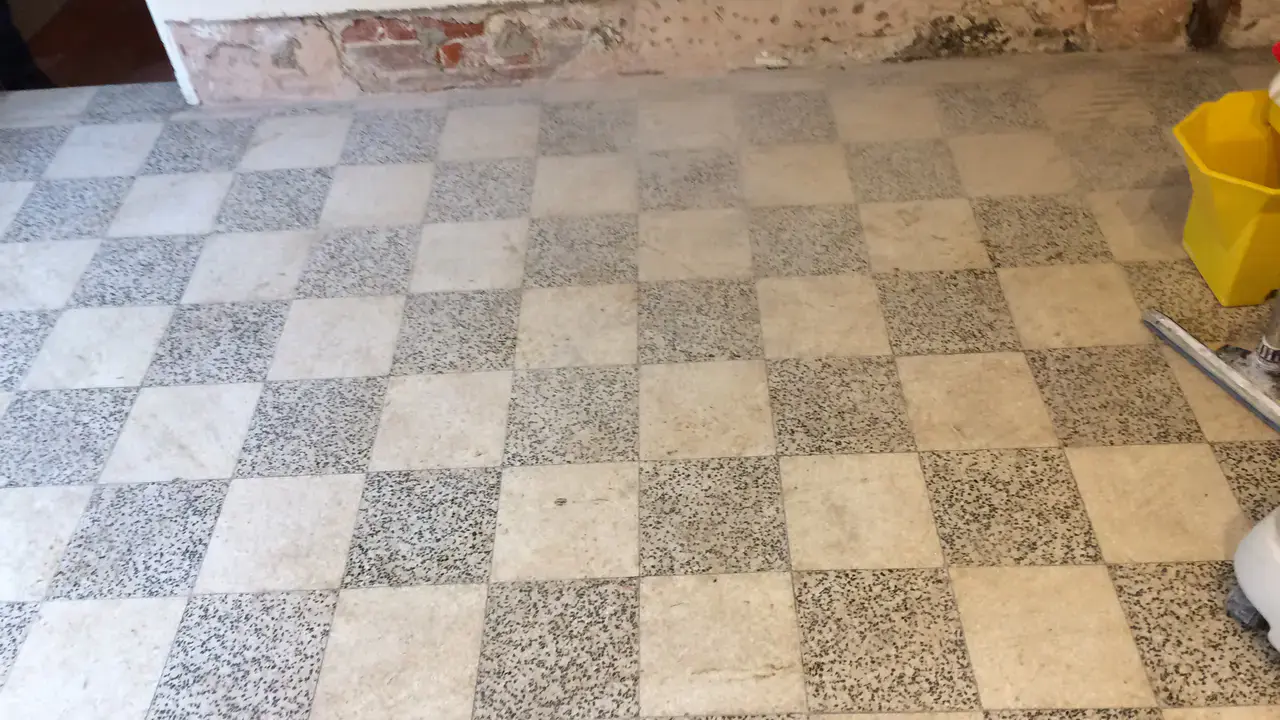
In the UK, most residential terrazzo consists of marble chips embedded in a cement-based binder. Its capacity to absorb liquids can vary based on several factors, including the original mixture, surface finish, wear, and previous treatments. Areas with worn or damaged binder may soak up spills and retain dirt more effectively than well-maintained sections.
A suitable sealer can significantly reduce liquid absorption, making maintenance a simpler task. However, it is important to note that sealing does not render terrazzo stain-proof, prevent scratching, or stop acidic spills from damaging the surface. Promptly wiping up spills continues to be essential, even on floors that have recently been sealed.
This guidance specifically pertains to cement-based terrazzo. Should your flooring feature an epoxy or alternative resin binder, seek specific advice tailored to that system rather than assuming the same treatment applies.
How the Type of Sealer Influences Maintenance Requirements
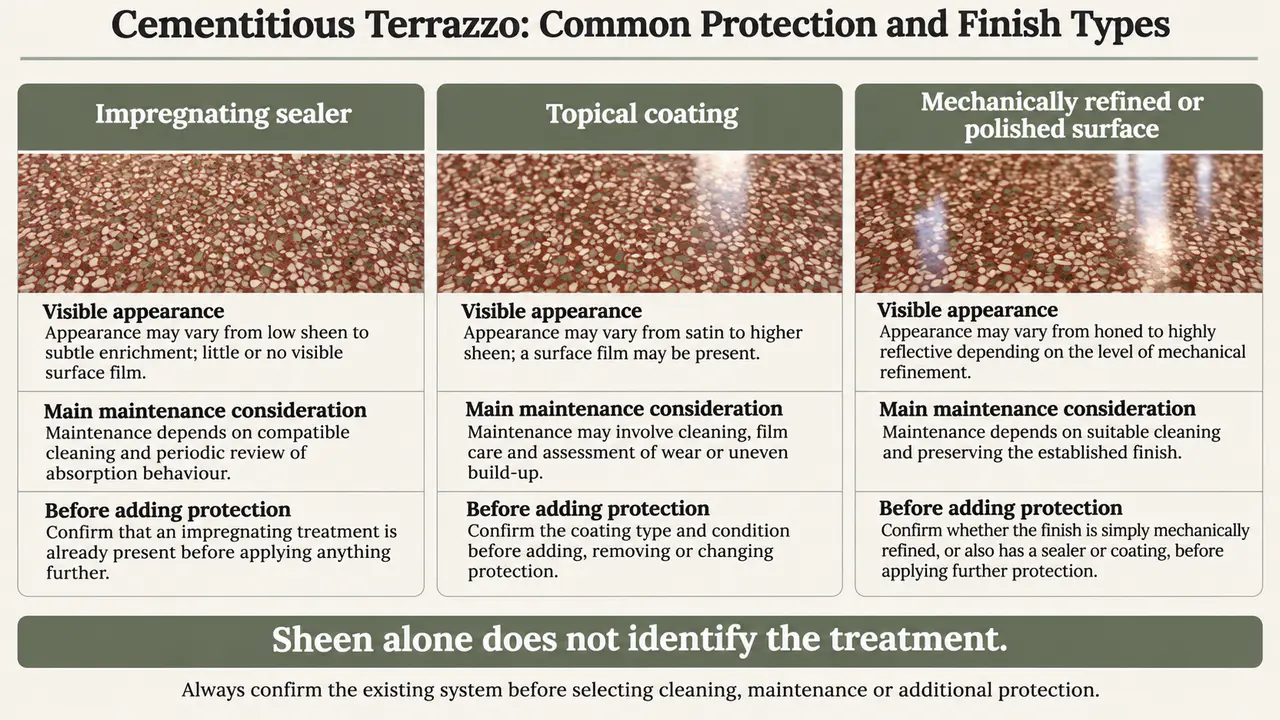
Before making the decision to reseal, it is vital to ascertain what protective treatments are currently applied to the floor. Previous restoration documentation or the original product details offer more reliable information than merely judging by the shine of the surface.
| Type of Protection | Functionality | Renewal Process |
|---|---|---|
| Impregnating Sealer | Minimises liquid absorption within receptive pores without creating a substantial surface layer. Certain varieties may also enhance colour depth. | Evaluate water repellency, surface condition, and product guidelines prior to reapplication. Follow directions for removing excess; using more product does not necessarily yield better results. |
| Topical or Film-Forming Sealer | Forms a surface film that can alter the sheen. This film may become scratched, worn, or discoloured over time. | Adhere to the maintenance instructions of the coating system. It may necessitate maintenance treatments, renewal, or eventual removal, but there is no one-size-fits-all schedule for stripping. |
Keep in mind that a polished appearance does not indicate which type of protection is in use: terrazzo can achieve its gloss through mechanical polishing rather than through a coating. A densifier compatible with cement is an entirely different treatment and should not be viewed as a substitute for a sealer.
What Factors Affect the Resealing Schedule?
- Foot Traffic and Grit: High-traffic areas, such as entrance halls and main walkways, endure more wear compared to spaces underneath furniture.
- Cleaning Products: Incompatible cleaners can compromise the protective layer. Some impregnating sealers may be negatively affected by strong alkaline cleaners.
- Surface Condition: Worn, pitted, or damaged binder may behave differently than a well-maintained, uniformly finished surface.
- Previous Treatments: Grinding, honing, or removal of coatings can alter the floor’s absorption properties and its protective needs.
- Selected System: The requirements for application, maintenance procedures, and renewal criteria can differ among products.
Inspect both high-traffic and sheltered areas. Localised changes in condition may become evident before the entire room requires attention, although any treatment must be compatible with the existing system and aesthetically acceptable.
What Indicators Suggest It’s Time to Reseal?
The following indicators warrant further examination, but none alone conclusively indicate that resealing is necessary:
- Small spills darken the terrazzo more quickly than they did previously.
- A cleaned traffic lane absorbs water more readily compared to less-frequented areas.
- A film-forming finish displays worn patches, scratches, or peeling edges.
- The floor has been ground, honed, or stripped since its last treatment.
Simply being dull is not definitive proof of sealer failure. Detergent residues, old polish, surface scratches, acid etching, and wear on the binder can all diminish clarity. Similarly, persistent dark patches may be due to trapped dirt, staining, or moisture rather than a lack of sufficient sealer.
A Careful Water-Drop Test
If allowed by the existing product guidelines, conducting a water-drop test can help assess water repellency in various sections:
- Select a small, inconspicuous area that has been properly cleaned and allowed to dry.
- Place a few drops of clean water on the surface and observe for darkening or absorption. Avoid creating a puddle or allowing prolonged soaking.
- Quickly blot the water with a clean, absorbent cloth.
- Compare how the water behaves against another inconspicuous, less-frequented section.
A universal timed pass-or-fail rule is not advisable. Coatings, residues, finishes, and the natural variations in the terrazzo can all influence the outcome. Water beading merely indicates repellency; it does not confirm resistance to oils, acids, or all potential stains.
What Preparations Are Necessary Before Resealing?
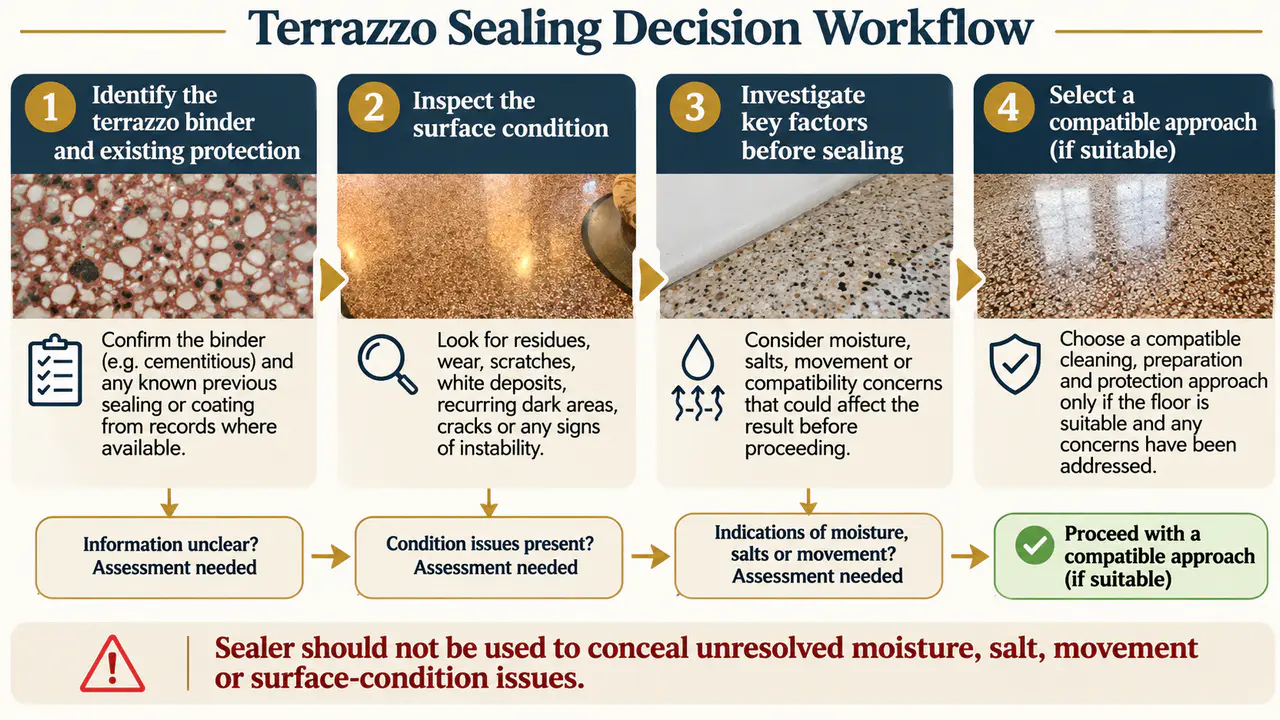
Resealing should only proceed when the surface is adequately prepared and the proposed product is compatible with the existing treatment.
- Identify the Current Treatment. An impregnating product cannot effectively penetrate through an intact topical coating. Avoid layering unknown products.
- Clean and Reassess. Use a compatible cleaner to thoroughly remove residues. Controlled alkaline deep cleaning may be suitable for specific types of contamination, but requires proper dilution, dwell time, and rinsing.
- Check for Damage. A sealer cannot rectify missing binder, scratches, or etching. Persistent dullness necessitates diagnosis, not automatic grinding or coating application.
- Confirm Appropriate Moisture Conditions. Adhere to the moisture and drying requirements specified by the selected product. A surface may appear dry, but this alone does not guarantee suitability for resealing.
- Test Compatibility and Appearance. Conduct a discreet trial of the proposed treatment before broader application, especially with colour-enhancing products.
White salt deposits or persistent dark areas require evaluation prior to sealing. They do not inherently determine their cause. Factors such as floor construction, moisture movement, salts, and product vapour transmission are all relevant, particularly when considering a film-forming finish. An older floor is not automatically disqualified from receiving a coating nor is it guaranteed to be suitable.
When applying the sealer, adhere strictly to the manufacturer’s guidelines regarding coverage, excess removal, drying, and curing times. Applying additional coats beyond those recommendations can result in unwanted residue or an uneven finish instead of providing beneficial extra protection.
Is Sealing Necessary After Restoration of Terrazzo?
Following grinding, honing, or the removal of a prior coating, the newly exposed surface must be evaluated for appropriate protection. The decision to reseal should be based on the type of terrazzo, the desired finish, absorption traits, and the condition of the floor—not merely the fact that restoration has taken place.
Request that the restorer document the product used, its cleaning requirements, the timeline for returning the floor to use, and the signs that should prompt a maintenance review. This information will assist in making more informed resealing decisions in the future.
Strategies for Preventing Unnecessary Resealing
- Regularly remove loose grit using a suitable vacuum or a gentle dust-control method.
- Utilise entrance mats to mitigate abrasive dirt.
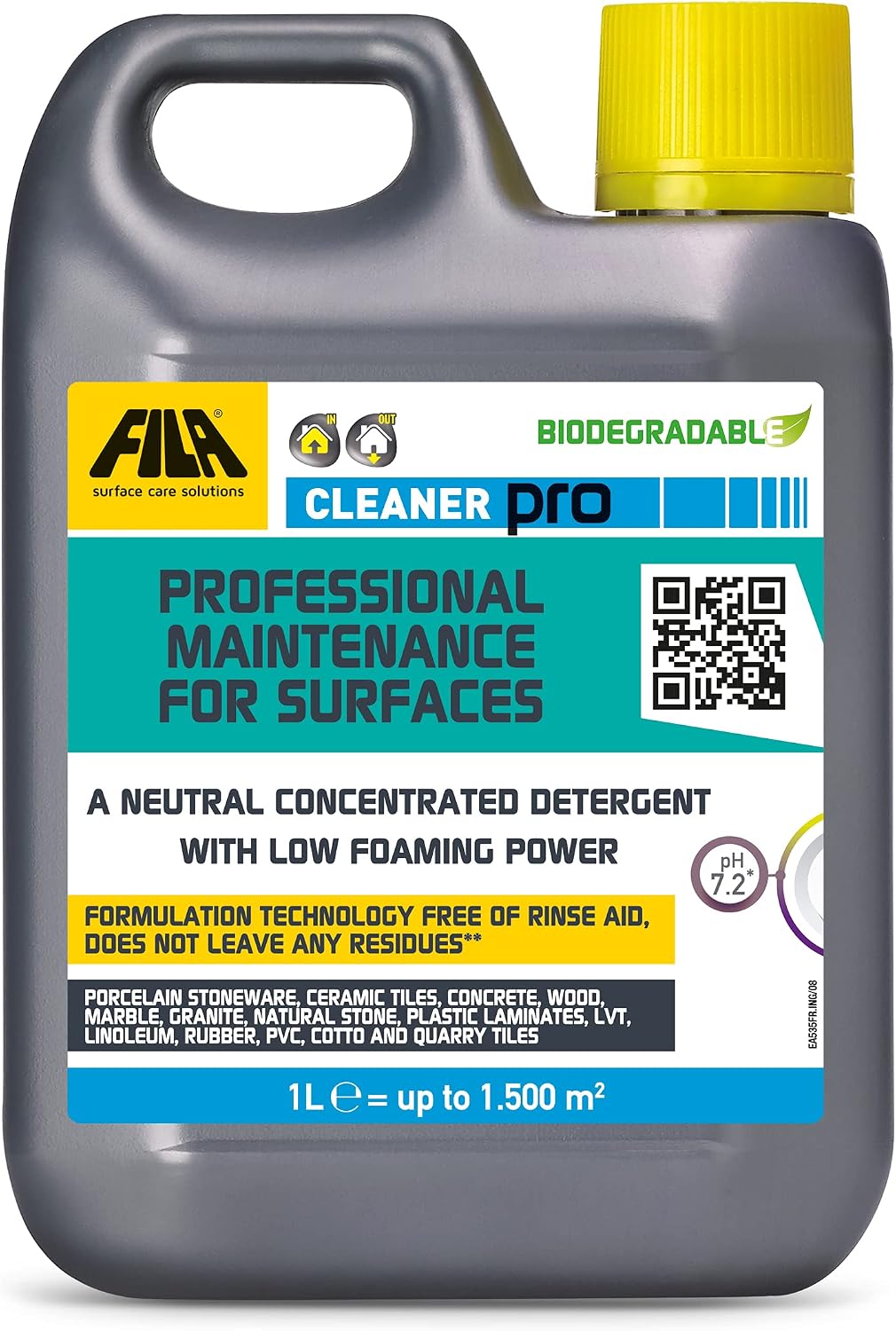
- Clean with a compatible, low-residue, typically pH-neutral stone cleaner at the recommended dilution.
- Promptly wipe up spills.
- Avoid vinegar, acidic cleaners, and descalers, as they can harm both the cement binder and the marble chips.
- Steer clear of bleach, unsuitable strong cleaners, and products that leave residues. Specialist deep cleaning should be conducted through a separate, controlled process.
The fundamental principle is to inspect, identify, and then treat. If the protective layer is functioning as intended, there is no need to apply more sealer simply because a year has elapsed. If absorption patterns change, if the coating shows signs of failure, or if the existing treatment is unclear, have the floor evaluated before deciding on a renewal approach.
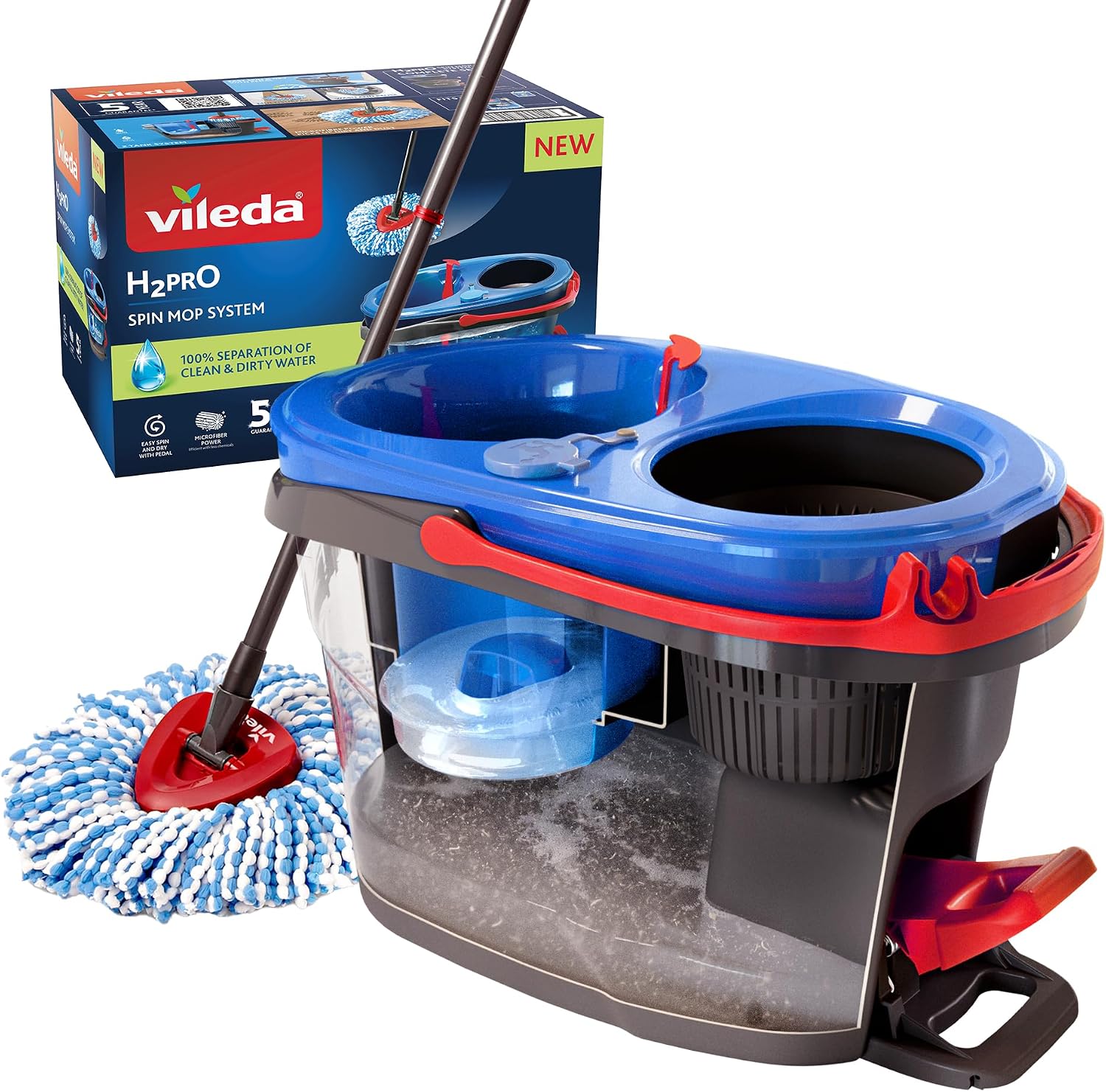
Pro Tip: Recommended products for routine terrazzo maintenance cleaning
Disclosure: As an Amazon Associate, Abbey Floor Care earns from qualifying purchases at no extra cost to you.

David Allen — Abbey Floor Care
David Allen of Abbey Floor Care boasts over 30 years of practical experience in floor restoration. His expertise encompasses cleaning cement-based terrazzo, mechanical refinishing, and evaluating suitable sealing and maintenance strategies.
The Article Terrazzo Resealing Depends On Spill Absorption first found on https://abbeyfloorcare.co.uk