Understanding Terrazzo Restoration Costs in the UK: Key Influences on Pricing
When homeowners embark on the journey of terrazzo restoration, one of the initial queries revolves around cost. This inquiry is not driven by a desire for the cheapest option but rather stems from a need to comprehend why quotes can vary significantly for what seems to be the same type of flooring. Understanding the nuances of pricing is crucial for informed decision-making.
This page delves into the various factors that impact terrazzo restoration costs in the UK, providing insights without citing specific prices or presenting “typical” figures. The objective is to enlighten you about what genuinely affects the scope, complexity, and required level of professional involvement — and what does not play a role in the pricing structure.
What Are the Most Noticeable Signs of Terrazzo Floor Deterioration?
Most terrazzo floors do not deteriorate suddenly. Instead, homeowners observe gradual changes that raise concerns regarding their flooring's condition. Common indicators include:
- Loss of shine that cannot be remedied by regular cleaning
- Persistent dark traffic lanes that quickly reappear after washing
- Uneven edges or lippage that catches the light in an unsightly manner
- Cracks, chips, or small holes that develop over time
- Patchy areas that appear dull compared to brighter sections of the floor
These visible symptoms often prompt requests for restoration services, but they do not accurately reflect the actual level of work needed to restore the floor to its former glory.
How Does the Condition of Terrazzo Influence Restoration Costs?
Domestic terrazzo in UK residences is generally a cement-matrix floor embedded with marble chips. Over the decades, the cement binder can become more porous and susceptible to wear, moisture, and chemical damage. The cost of restoration is influenced more by the condition of this binder than by the size of the floor itself.
Once the binder has softened, eroded, or absorbed contaminants, simple surface cleaning is often insufficient. Professionals must evaluate how much of the damaged surface needs to be removed to access stable, sound material beneath. The deeper the degradation, the more extensive the mechanical resurfacing required to restore the floor effectively.
What Factors Contribute to Increased Restoration Costs?
Understanding the Impact of Depth of Wear and Binder Degradation
If the dullness or darkening of the floor is due to deeply embedded soil within a weakened cement matrix, the damaged layer must be mechanically removed. Floors that have been subjected to long-term use of alkaline cleaners or heavy foot traffic typically fall into this category.
In contrast, shallow surface wear can often be addressed with less intensive methods compared to widespread erosion that may extend several millimetres deep. The distinction in wear levels significantly affects the overall cost of restoration.
Addressing Lippage and Uneven Floor Surfaces
Tile-based terrazzo floors frequently exhibit height discrepancies between tiles, known as lippage. Correcting this issue involves flattening the surface before any refinement can begin. Even minor lippage can increase labour, tooling time, and the amount of material that needs to be removed, ultimately raising restoration costs.
Repairing Cracks, Holes, and Historical Modifications
Older terrazzo floors often harbour cracks resulting from building movement, along with holes or channels left from previous plumbing or electrical services. These defects need to be stabilised and rebuilt before the resurfacing process can commence.
It is crucial to note that repair work does not scale uniformly with the floor area; a smaller floor requiring extensive repairs may demand more time and expertise than a larger floor that remains in good structural condition.
Dealing with Previous Coatings and Residues
Layers of wax, acrylic coatings, and detergent residues can become deeply ingrained in porous terrazzo surfaces. The safe removal of these layers adds complexity to the restoration process, especially when coatings have deteriorated unevenly. This aspect can significantly influence the overall cost of restoration.
Choosing the Desired Finish Level for Your Terrazzo Floor
The level of finish chosen—be it honed, satin, or polished—directly impacts the effort required for restoration. Finishes with a higher sheen necessitate more refinement stages and greater surface consistency. Floors that have undergone extensive repairs or possess historical patching may also require additional work to achieve a visually balanced appearance, further affecting costs.
Why Do Common Assumptions About Terrazzo Restoration Costs Often Mislead Homeowners?
Homeowners frequently make assumptions that can lead to misconceptions, such as:
- All terrazzo restorations follow a uniform process
- Price is primarily influenced by the square metre size
- Polishing alone can rejuvenate a worn floor
In reality, terrazzo restoration is highly condition-led. Two floors of identical size may require vastly different levels of intervention depending on factors such as wear depth, structural integrity, and previous treatments applied to the surface.
Where Should Homeowners Focus Their Decisions Regarding Restoration?
The critical decision is not merely about selecting a finish or comparing headline prices. It revolves around determining whether the floor can be stabilised and resurfaced without compromising its long-term integrity.
Once the cement binder has deteriorated beyond the point of effective surface cleaning, professional mechanical restoration becomes necessary. Attempting to bypass this essential step often results in repeated failures and increased long-term costs for homeowners.
When Is Professional Involvement Essential for Terrazzo Restoration?
Professional restoration of terrazzo floors becomes indispensable when certain conditions are present:
- Dullness or darkening re-emerges immediately following cleaning
- Visible traffic lanes persist despite multiple washings
- Lippage presents a visible distortion or poses a trip hazard
- Cracks reappear or widen over time
- Previous coatings begin to fail or peel off
At this juncture, the cost is dictated by the necessity to create a new, stable surface, rather than simply focusing on cosmetic enhancements.
For a broader understanding of how terrazzo functions as a material and how restoration fits into its long-term care, refer to the main terrazzo flooring guide.
Pro Tip: Recommended Products for Daily Terrazzo Maintenance Cleaning
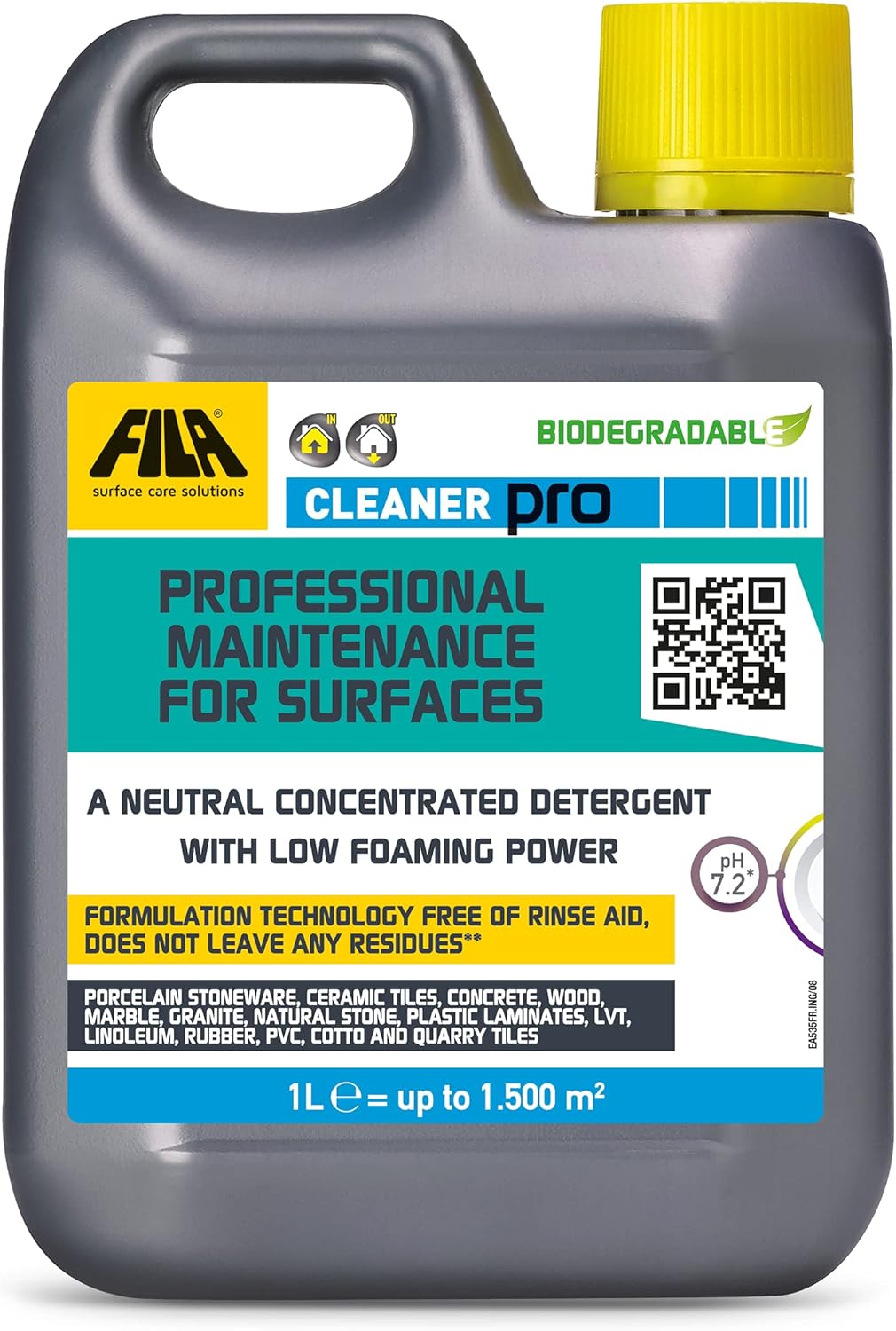
Fila Pro Floor Cleaner
|
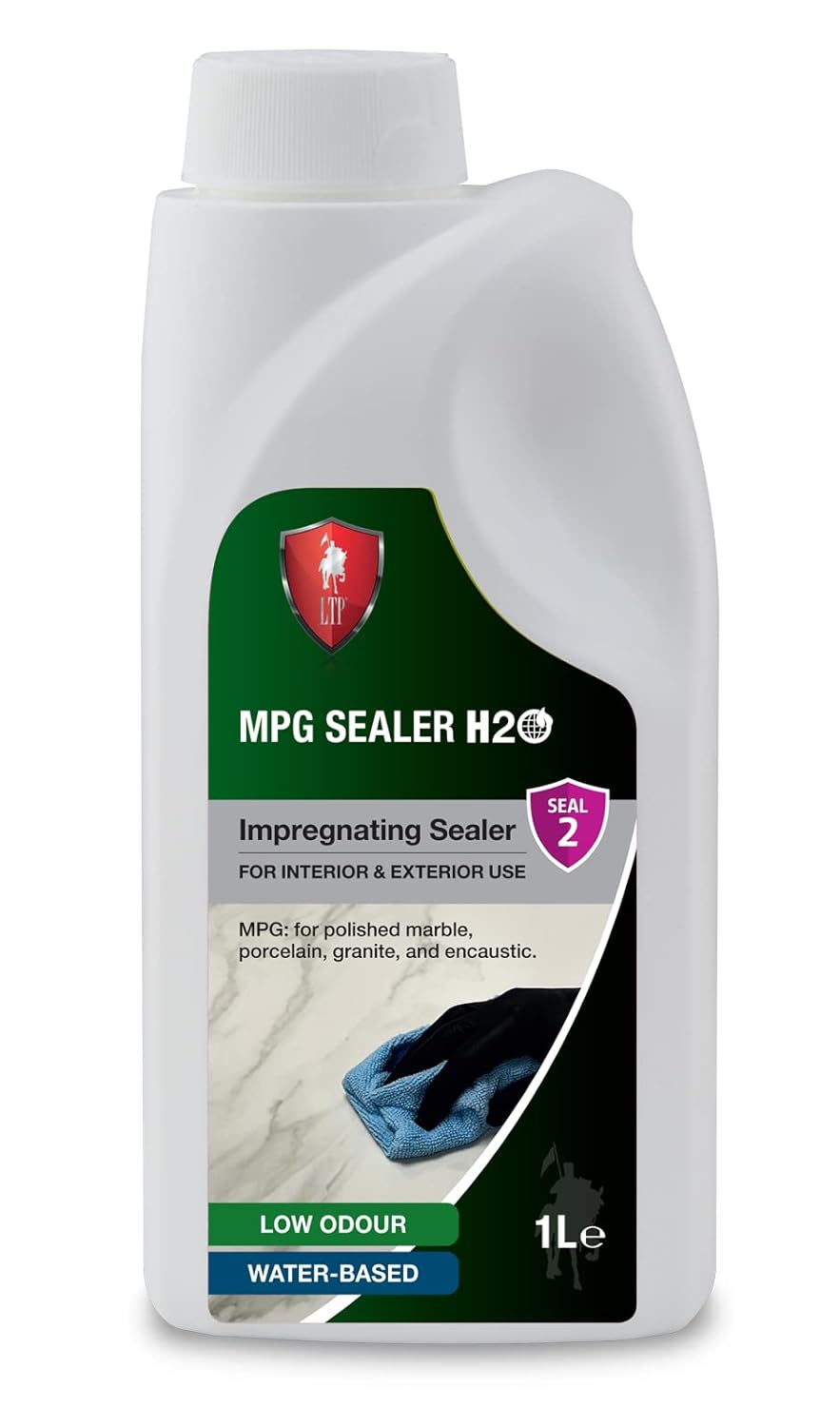
LTP MPG Sealer H20
|

Vileda H2PrO Spin Mop System
|
The article Understanding Terrazzo Restoration Costs in the UK: Key Influences on Pricing was first found on https://www.abbeyfloorcare.co.uk