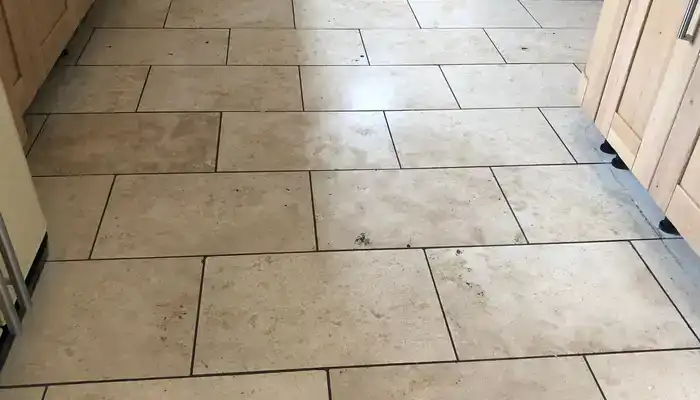
Last Updated on January 13, 2026 by David
Travertine Flooring: Travertine is an exquisite and unique natural stone that often surprises homeowners with its distinct characteristics and behaviour. Unlike many other flooring options, its surface is inherently porous, filled with tiny voids and channels that formed during its natural genesis. This unique structure contributes to Travertine’s inviting warmth and dynamic appearance; however, it can also lead to specific challenges that aren’t easily addressed by standard cleaning methods.
This page serves as a comprehensive guide to Travertine flooring available on our website. It provides an overview of how Travertine performs in real domestic settings, outlines common issues that may arise, and discusses the differences between professional care and typical cleaning routines. From this point, you can delve into more detailed resources or view genuine restoration projects where these issues have been effectively resolved.
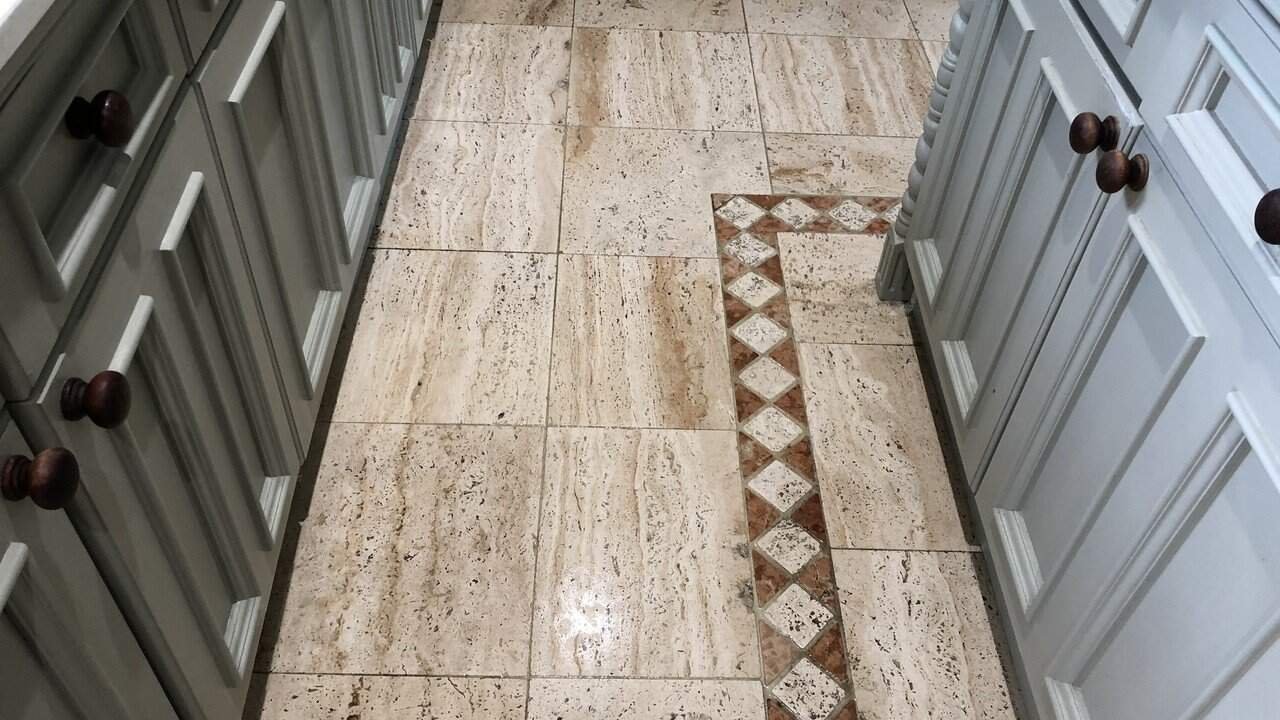
Discovering the Unique Characteristics of Travertine in Everyday Homes
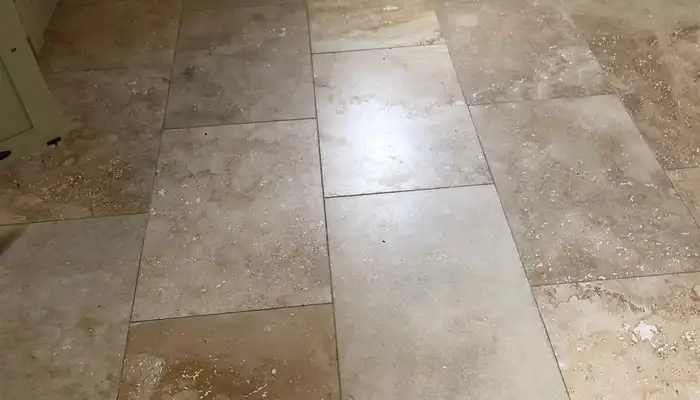
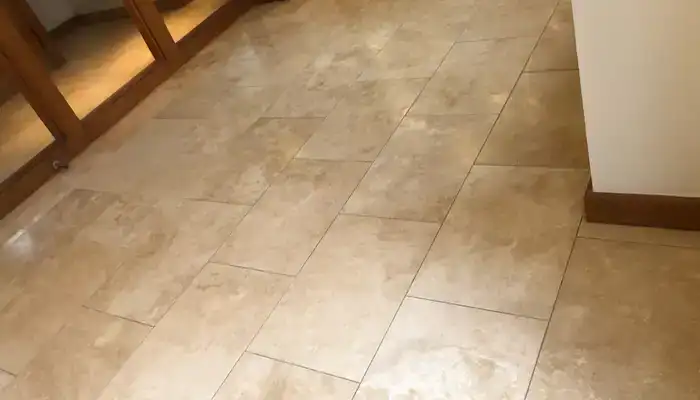
Travertine is classified as a type of limestone. Unlike denser materials like marble or porcelain-style tiles, Travertine features natural pits and fissures that can be left open, partially filled, or filled, depending on the finish selected during installation.
In bustling households across the UK, this structural composition leads to several important considerations:
- Soil can become trapped beneath the surface, rather than merely sitting on top.
- Liquids can cause uneven darkening of the stone.
- Wear tends to follow the stone's natural grain rather than appearing randomly across the surface.
Travertine flooring seldom experiences sudden failure. Instead, it gradually changes, becoming dull, uneven, or increasingly difficult to maintain over time.
Identifying Common Problems Associated with Travertine Flooring
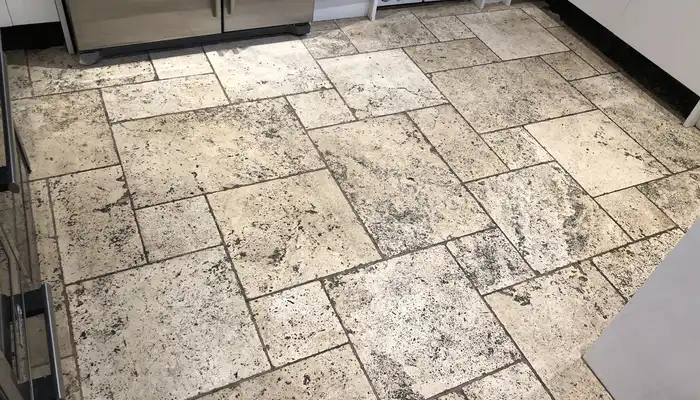
The majority of issues encountered with Travertine flooring fall into a few predictable categories. These are not inherent defects of the stone; rather, they are normal reactions to everyday use, cleaning techniques, and surface treatments applied.
Common issues include:
- Floors appear clean when wet but dull once dry.
- Grout lines are darkening or becoming black.
- Small holes reopening after prior filling.
- Patchy appearance post-sealing.
- Etch marks resulting from acidic spills.
- Uneven wear in high-traffic areas, such as kitchens and walkways.
Each of these symptoms has a distinct cause, necessitating different solutions. Many homeowners encounter difficulties when they treat these problems as simply “dirty floors.”
Understanding the Distinction Between Cleaning and Restoration for Travertine
A frequent source of confusion among homeowners is the distinction between cleaning and restoration of Travertine flooring.
- Cleaning focuses on removing surface dirt and residues.
- Restoration addresses wear, surface damage, and structural issues within the stone.
When Travertine appears dull or uneven, repeated cleaning can often exacerbate the problem rather than resolve it. This occurs because the underlying issue may involve worn fillers, etched areas, or residues trapped beneath the surface.
Recognising the boundary between cleaning and restoration is critical for the long-term preservation of Travertine. If you’re unsure which category your flooring falls into, start with our guide to restoring a Travertine floor yourself, which outlines what is feasible, what typically isn’t, and when it's worth seeking professional assistance.
Expert Techniques for Travertine Repair and Filling
Often, Travertine contains factory-applied fillers that can diminish with regular use. As time passes, this may expose voids beneath the original surface, leading to small holes and rough patches.
Effective repair requires:
- Choosing fillers that match the stone’s colour and finish.
- Rebuilding the surface without creating new voids.
- Refining the repair to blend seamlessly with the surrounding tiles.
Quick fixes and hard epoxy fillers can lead to new complications later, especially during cleaning or refinishing. If you're dealing with minor, cosmetic holes, consult our detailed guide on Travertine tile repair. For larger areas where filler has been lost or widespread pitting is present, professional restoration typically provides a more stable and lasting outcome.
Effective Sealing of Travertine – Ensuring Protection Without Complications
Sealing is a crucial aspect of caring for Travertine, yet it remains one of the most misunderstood factors.
Various sealers display vastly different behaviours:
- Some offer protection without altering appearance.
- Others may change the sheen or deepen the colour.
- Using incorrect products can result in streaking or patchiness.
Sealing should always take into account the stone's condition. Applying a sealer to a worn or uneven surface can often lock in existing problems rather than resolve them.
If your floor has been previously sealed and now shows streaky or patchy areas, improper stripping can lead to irreversible damage. For a safe, step-by-step approach, refer to the safest way to strip old sealers off Travertine. If you are selecting a sealer for long-term protection, our guide on the best Travertine sealers elucidates the functions of various products and their appropriate applications.
How to Navigate This Comprehensive Travertine Resource
This page is crafted to help you explore our extensive Travertine knowledge without overwhelming you with excessive detail.
From this point, you can:
- Access in-depth guides that elucidate specific Travertine issues and their underlying causes.
- Gain insight into professional cleaning, restoration, and repair methodologies.
- Examine real Travertine case studies that showcase before-and-after transformations in UK homes.
Each guide focuses on a single topic, allowing you to understand what applies to your flooring without ambiguity.
When Seeking Professional Advice Becomes Essential
Travertine is a forgiving stone when properly cared for — yet it can be surprisingly susceptible to damage when care is lacking. If your flooring is no longer responsive to standard cleaning methods, or if prior treatments have not yielded the expected results, it typically indicates that the underlying issue resides beneath the surface.
A professional assessment can help ascertain:
- The appropriateness of cleaning.
- The necessity for restoration.
- The realistic outcomes for your flooring.
Gaining this understanding early can often save you time, money, and unnecessary frustration.
Delve into Comprehensive Travertine Guidance and Case Studies
Kickstart Your Journey with Essential Guides
- How to clean Travertine floor tiles for everyday maintenance
- Effective methods to restore dirty tumbled Travertine
- Can I restore a Travertine floor myself? (feasible options)
- Vein cut Travertine restoration (understanding why it wears in lines)
Tackle Specific Issues with Targeted Solutions
- Why does Travertine grout turn black, and how can it be prevented?
- The safest method to strip old sealers from Travertine
- Proper techniques for Travertine tile repair (filling holes effectively)
Explore Real Travertine Restoration Case Studies
- Travertine restoration project in New Malden (KT3)
- Honed Travertine restoration in Chippenham (SN15)
- Comprehensive Travertine floor cleaning, filling, and sealing in Edinburgh
- Deep cleaning of Tumbled Travertine in Hemel Hempstead (HP3)
- Tumbled Travertine restoration project in Rhyl (LL18)
- Travertine repair and sealing services in Chinnor (Oxfordshire)
Understanding the Unique Nature of Travertine Floors
Travertine ages differently compared to many contemporary flooring materials. With appropriate care, it acquires character rather than succumbing to deterioration. The fundamental principle lies in comprehending why it behaves as it does and selecting solutions that align with the stone's inherent qualities rather than opposing them.
This hub aims to provide that understanding — presented clearly, calmly, and informed by genuine experience.
The article Travertine Flooring – Care, Cleaning, Repair and Restoration Explained was originally published on https://www.abbeyfloorcare.co.uk