
Discover the Key Insights of This Comprehensive Guide
- How professional restoration techniques effectively preserve the beauty and heritage of Victorian hallway and vestibule floors.
- Why is conducting moisture testing and employing specialist cleaning methods vital for achieving long‑lasting restoration results?
- The importance of reclaimed tiles, breathable sealers, and proper aftercare in maintaining the authenticity and durability of restored floors.
Transforming Victorian Tiles in Trinity, Edinburgh – Revitalising Your Vestibule and Hallway Floors
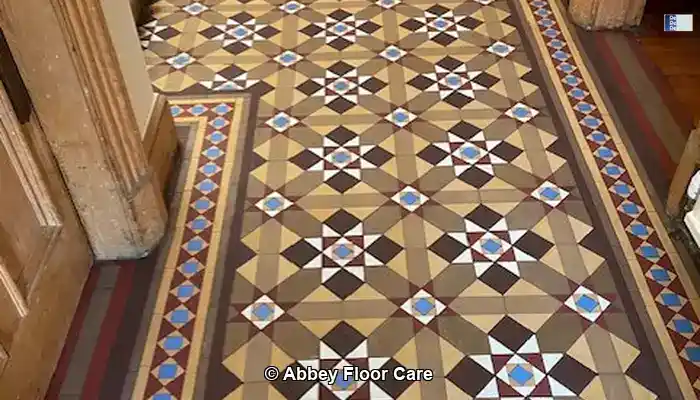
Victorian Tile Restoration: During our initial visit to a charming Victorian terraced residence in Trinity, Edinburgh, the hallway and vestibule tiles told a familiar story of neglect and wear. After enduring more than 40 years of daily foot traffic, the floor had lost its original brilliance. Stains, dull patches, and marks accumulated over the years, rendering regular cleaning ineffective. In certain areas, the use of inappropriate cleaning products had compromised the sealer, exposing the tiles to further damage. Additionally, prior repairs with mismatched tiles disrupted the original geometric design, resulting in an uneven, patchy appearance.
Pro Tip: Recommended Products for Daily Maintenance of Travertine Floors
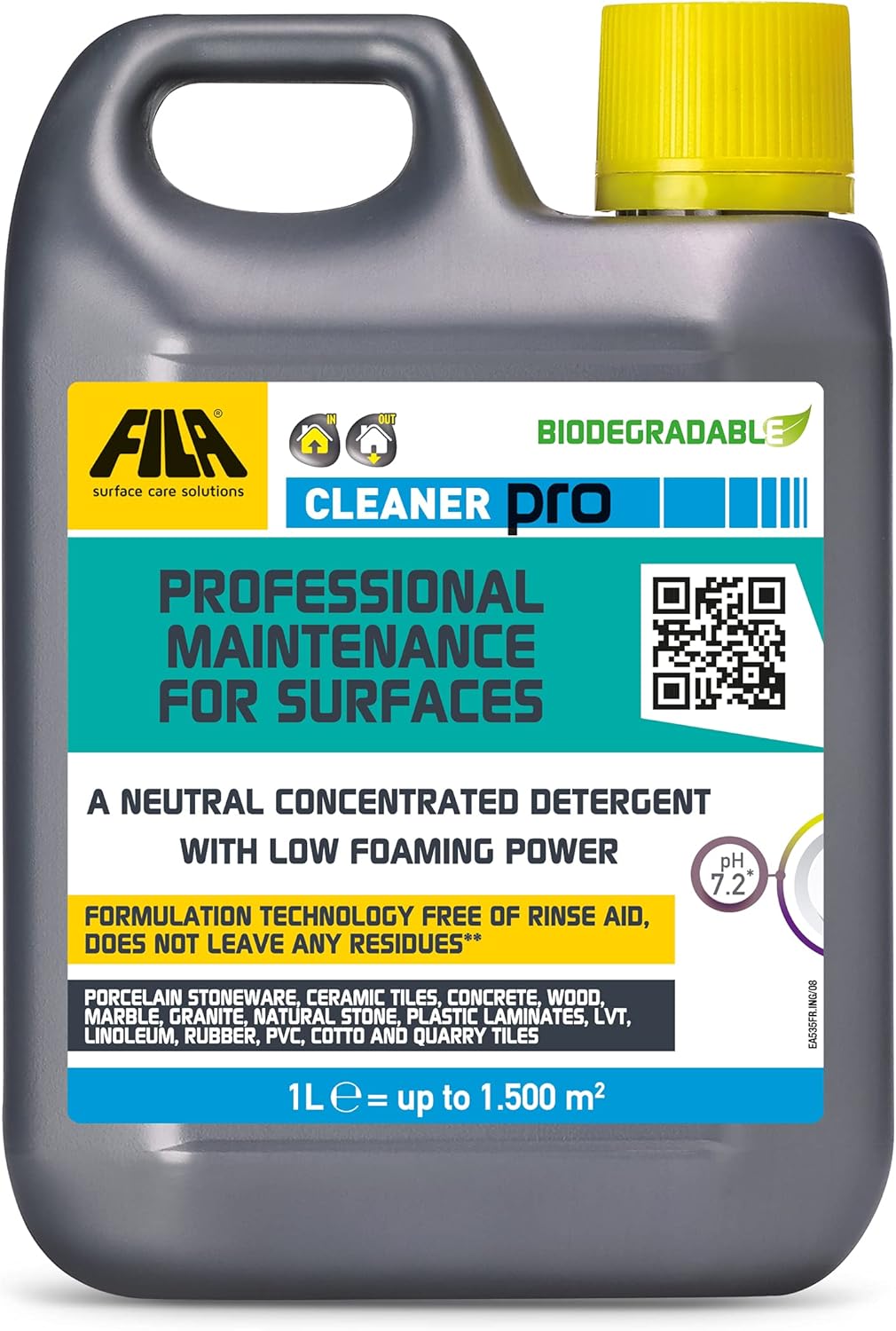
Fila Pro Floor Cleaner
|
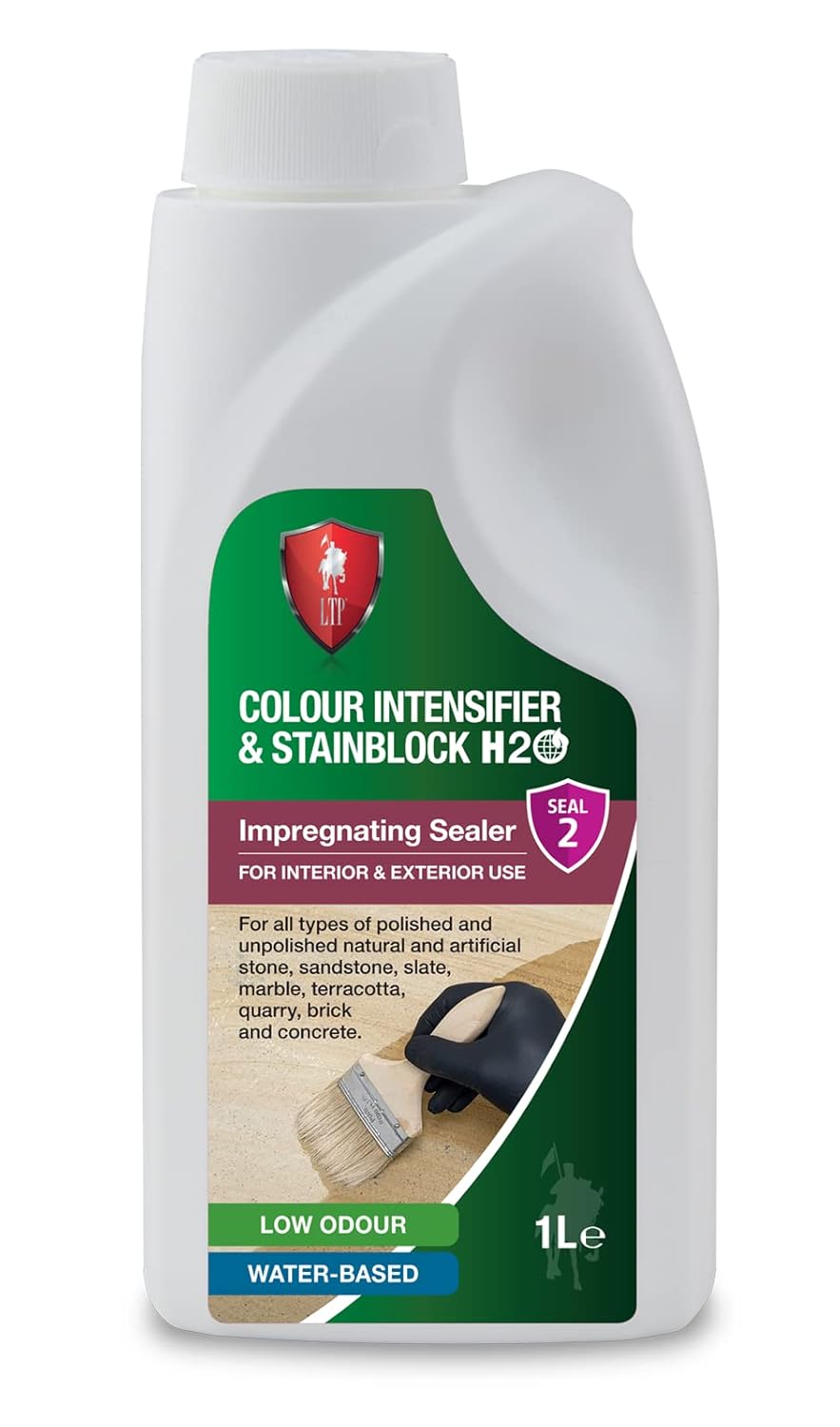
LTP Colour Intensifier & Stainblock H20
|
Vileda H2PrO Spin Mop System
|
This scenario is frequently observed in period homes throughout Edinburgh. Many properties still boast their original tiled floors, yet years of wear and hasty repairs often obscure their inherent beauty. Restoring these features not only revitalises colour and detail but also enhances the property's character and value. It is worthwhile to investigate beneath old carpets or vinyl coverings — you may discover a hidden treasure awaiting revelation.
Visualising the Floor Before Restoration
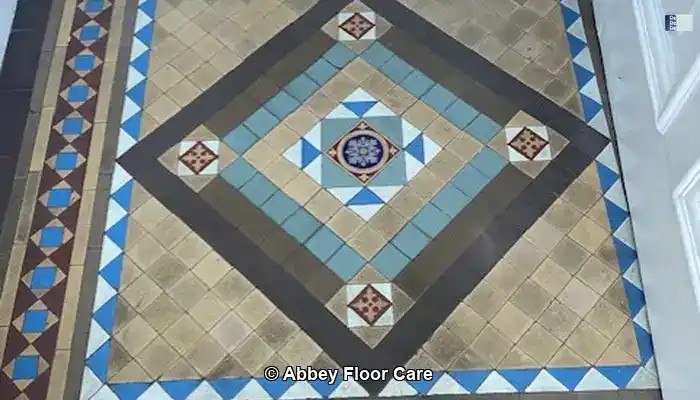
In its prior state, the hallway tiles appeared lacklustre and stained, marred by mismatched repairs that disrupted the original design pattern.
Comprehensive Initial Inspection and Test Clean Process
Before embarking on any restoration project, I undertook a meticulous inspection of the tiles and surrounding areas. Moisture readings were essential because many Victorian floors were installed without a damp-proof membrane, making them susceptible to excess moisture that could cause sealer failure. Additionally, I conducted a small test clean on a section of the hallway. This gave the homeowner a preview of the potential outcome and highlighted areas that might require replacement tiles to maintain authenticity during restoration.
Visualising the Floor After Restoration

The same hallway, following deep cleaning, repairs, and sealing — the colours now vibrant, patterns seamlessly flowing, and the floor restored to its original splendour.
Understanding the Importance of Victorian Tile Restoration in Edinburgh Homes
Victorian tile restoration encompasses much more than merely cleaning historical floors. For numerous homeowners in Edinburgh, the patterned tiles adorning the hallway or vestibule are integral to the home’s identity. They set the tone for visitors upon arrival and serve as a constant reminder of the property’s rich history each time one steps through the door. Restoring these tiles not only restores their vibrant colours and intricate details but also ensures they can withstand the rigours of everyday use.
Recognising Authentic Victorian Mosaic Patterns
Victorian mosaic floor restoration typically begins by identifying indicators that confirm whether a floor is original. Borders that fit neatly into doorways, repeating motifs that align with skirting boards, and subtle fading where sunlight has touched the tiles are all telltale signs of age. If the grout lines remain consistent and the patterns flow gracefully across thresholds, it usually signifies that the floor has not undergone significant alteration.
The Heritage Value and Character of Your Property
Heritage property flooring contributes substantial depth to a home’s character. A well-restored hallway or vestibule creates a striking first impression, reassuring visitors and prospective buyers alike that the property has been meticulously maintained. When tiles are cleaned, sealed, and structurally sound, they combine aesthetic appeal with durability, giving homeowners confidence that their investment will endure.
How to Identify Authentic Victorian Tiles in Heritage Properties
Victorian tile restoration begins with the crucial task of determining whether the floor in question is genuinely original. Many older homes in Edinburgh still conceal their original tiles beneath layers of carpets, vinyl, or paint. Lifting a corner or examining beneath thresholds can unveil patterned mosaics that reconnect the home with its historical essence. Early detection of these hidden features helps homeowners determine whether restoration is feasible and worthwhile.
Common Coverings Concealing Period Floors
Previous renovations often obscure the heritage property's flooring. In some homes, tiles were covered to modernise the appearance or address wear and tear. Unfortunately, these coverings can trap moisture, leading to staining issues. Carefully removing them is the first crucial step towards revealing the original design without inflicting damage. A professional can provide guidance on safe methods for lifting coverings and revealing what lies beneath.
How Professionals Safely Uncover Hidden Tiles
Victorian mosaic floor restoration necessitates a patient approach when uncovering concealed tiles. Experts utilise gentle techniques to peel back layers, checking for signs of damage throughout the process. They look for indicators such as consistent grout lines, repeating motifs, and fading colours that confirm authenticity. This meticulous strategy reassures homeowners that the process will safeguard the floor’s heritage value and prepare it for subsequent cleaning and repair.
Conducting Professional Inspection and Moisture Testing for Period Floors
Victorian tile restoration invariably begins with a thorough inspection. Before any cleaning or sealing commences, professionals assess the condition of the tiles and the underlying subfloor. This essential step instils confidence in homeowners regarding the safety and efficacy of the work. It also helps identify issues such as loose tiles, cracks, or signs of dampness that could affect the outcome.
Why Moisture Readings Are Crucial in Older Properties
Heritage property flooring often rests on older substrates that can retain moisture. If tiles are sealed while damp, the sealer may fail or trap water beneath the surface, leading to unsightly staining or efflorescence. Conducting moisture testing provides a clear perspective on whether the floor is primed for restoration. By ensuring readings are stable, professionals protect the tiles and preserve the finish over time.
The Risks of Damp and Sealer Failure
Victorian mosaic floor restoration can be compromised if dampness is overlooked. Applying sealer too early may result in peeling, discolouration, or uneven finishes. In severe cases, trapped moisture can weaken grout lines or cause salts to rise to the surface. By addressing dampness at the outset, experts prevent costly rework and reassure homeowners that their restored floor will remain resilient and visually appealing.
Deep Cleaning Victorian Tiles Using Specialist Techniques
Victorian tile restoration entails far more than a cursory mop or scrub. Over the years, dirt, old sealers, and daily wear accumulate within the tiles’ pores, rendering them dull and lifeless. Professional deep cleaning techniques effectively lift this ingrained grime, revealing the natural colours and distinctive patterns that characterise these floors. For homeowners, this process often marks the moment when the true beauty of their hallway or vestibule re-emerges.
The Dangers of Unsuitable Cleaning Products
Harsh chemicals or generic supermarket cleaning agents can damage the flooring of heritage properties. Such products may strip colour, weaken grout, or leave behind residues that attract more dirt. Many homeowners have attempted DIY cleaning only to discover that the floor appears worse afterwards. Specialists utilise carefully curated solutions that dismantle old coatings without compromising the tile surface, ensuring a safe and effective clean.
Tools and Materials Employed by Professionals
Victorian mosaic floor restoration is performed using equipment specifically designed for heritage surfaces. Rotary machines fitted with scrubbing pads delicately remove worn layers, while wet vacuums extract residues, leaving the floor revitalised and ready for sealing. For corners and edges, hand tools are employed to ensure that every part of the floor receives thorough treatment. This comprehensive approach guarantees that the entire surface is cleaned uniformly, restoring both its appearance and texture.
Managing Efflorescence and Mineral Deposits in Historical Properties
Victorian tile restoration can reveal a white, powdery residue on tile surfaces, commonly known as efflorescence. This phenomenon occurs when moisture within the floor draws mineral salts to the surface. For homeowners, this can be a cause for concern; however, it is common in older properties and can be managed effectively with the right approach.
Identifying the Appearance of Efflorescence
Heritage property flooring affected by efflorescence often shows chalky patches that dull the tiles' colour. These marks may become apparent after cleaning or when the floor dries out. While they may appear to be permanent damage, they typically indicate moisture movement rather than a fault in the tile itself. Understanding this helps homeowners realise that the issue can be treated rather than necessitating replacement.
Neutralising Mineral Salts Effectively
Victorian mosaic floor restoration involves steps to address efflorescence before sealing. Professionals use specialist rinses to neutralise surface salts, but they do not prevent their return; this is a function of the installation rather than a flaw in the tiles. This process prepares the tiles for sealing and ensures that the finish remains clear and even. By tackling efflorescence early, experts preserve the floor's appearance and instil confidence in homeowners that the restored surface will remain bright and clean.
Repairing and Replacing Damaged Victorian Tiles Using Reclaimed Materials
Victorian tile restoration goes beyond mere cleaning and sealing. Many floors sustain damage over time, with cracked, loose, or missing tiles disrupting the original design. Addressing these areas is crucial to restoring the visual flow of the pattern and ensuring the floor remains safe for foot traffic. Homeowners often express concern that repairs will be conspicuous; however, the right materials blend seamlessly with the existing floor.
Choosing Reclaimed Tiles for Authentic Repairs
Heritage property flooring merits repairs that honour its historical significance. Reclaimed Victorian tiles are sourced from other period homes and match the colour, texture, and thickness of the originals. This approach avoids the artificial appearance of modern replacements and maintains the floor’s authenticity. For homeowners, this ensures that repairs feel organic and uphold the property’s heritage value.
Maintaining the Integrity of Geometric Patterns
Victorian mosaic floor restoration demands meticulous attention to the original layout. Geometric designs often create a rhythm across thresholds and staircases, and mismatched repairs can disrupt this visual harmony. Professionals carefully study the existing pattern before resetting or replacing tiles, ensuring each piece aligns with the design logic. This method restores both beauty and coherence, giving homeowners confidence that their floor looks exactly as intended.
Sealing Victorian Tiles for Enhanced Long-Term Protection
Victorian tile restoration culminates in the final stage: sealing. This process locks in the results of cleaning and repairs while safeguarding the tiles from everyday wear and tear. For homeowners, this step ensures that the restored floor not only looks exquisite but also withstands daily use without losing its character.
Comparing the Benefits of Impregnating Sealers Versus Topical Sealers
Breathable impregnating sealers are best suited for heritage property flooring. These products absorb into the tile, offering protection from within while still allowing moisture to evaporate naturally. Conversely, topical sealers, which rest on the surface, can sometimes peel or trap moisture in older floors. Selecting the correct sealer guarantees that the finish endures and the floor remains healthy. Homeowners benefit from the peace of mind that comes with knowing the protection offered is both effective and considerate of the property’s age.
Enhancing Colour and Ensuring Durability
Victorian mosaic floor restoration frequently reveals colours that have been hidden for decades. Sealing enhances these shades, showcasing the reds, blues, and creams that characterise Victorian design. Simultaneously, the sealer protects against spills, stains, and scuffs, making the floor easier to maintain. For homeowners, this means enjoying a vibrant, authentic floor that remains practical for daily living.
Establishing Professional Maintenance Plans for Restored Floors
Victorian tile restoration does not conclude once the floor has been cleaned, repaired, and sealed. To ensure results remain optimal, homeowners should adopt a straightforward maintenance plan that fits seamlessly into their daily routines. With proper guidance, maintaining restored tiles is simple and helps protect the investment for years to come.
Using Recommended pH-Neutral Cleaners
Heritage property flooring responds most effectively to gentle cleaning products. Harsh chemicals or bleach can strip colour and damage sealers, while pH-neutral cleaners are both safe and efficient. These solutions effectively lift everyday dirt without harming the surface, making them ideal for regular use. For homeowners, this translates into an easy-to-follow routine that keeps the floor fresh without introducing risk.
Strategies for Avoiding Abrasive Tools
Victorian mosaic floor restoration is safeguarded when homeowners refrain from using abrasive brushes or scouring pads. Such tools can scratch the tiles. Instead, soft cloths or mops are highly recommended, along with periodic professional check-ups to ensure the floor remains in optimal condition. This balanced approach reassures homeowners that their restored floor will retain its beauty and durability with minimal effort.
Key Insights for Homeowners Regarding Victorian Tile Restoration
- Restoration safeguards heritage value: Professional care maintains the authenticity and attractiveness of Victorian hallway and vestibule floors.
- Moisture testing is crucial: it ensures sealers cure properly and prevents issues such as patchy finishes or salt deposits.
- Cleaning revitalises colour and detail: Intensive cleaning and rinsing remove ingrained dirt and mineral accumulation.
- Repairs uphold authenticity: Reclaimed tiles match the age, texture, and colour of the original for seamless repairs.
- Aftercare sustains results: Employ pH-neutral cleaners, avoid abrasives, and schedule regular inspections.
Addressing Common Questions About Victorian Tile Restoration
1. How long does the Victorian tile restoration process typically take?
Victorian tile restoration timelines vary based on the size and condition of the floor. A small vestibule may take two to three days, while larger hallways requiring repairs can take a week or more. Clear communication from professionals enables homeowners to plan effectively.
2. Will the restoration harm my original tiles?
Heritage property flooring is treated with care, employing gentle cleaning solutions and specialist tools. The process is designed to protect, not harm, the tiles. Homeowners can rest assured that the methods used are safe for period floors.
3. What is the cost of professional restoration services?
Victorian mosaic floor restoration costs vary based on the area size and the extent of damage. Professionals provide clear quotations, ensuring homeowners understand exactly what is included. This investment not only enhances the property's beauty but also protects its value.
4. What kind of aftercare is required following restoration?
Heritage property flooring is easily maintained through simple routines. Utilising pH-neutral cleaners and soft cloths or mops helps keep the tiles clean without risk. Regular professional check-ups ensure sealer effectiveness and maintain the floor's appearance.
5. Do professionals guarantee their work?
Victorian tile restoration is often supported by guarantees covering both artistry and materials. Homeowners receive aftercare advice to help maintain the floor. These assurances provide peace of mind, confirming that the restored tiles will remain a lasting feature of the home.
Balancing Heritage Value with Modern Living Needs
Victorian tile restoration is centred on more than preserving history. Homeowners seek floors that are not only beautiful but also functional for contemporary life. A restored hallway or vestibule should create a welcoming atmosphere for guests, endure daily wear, and remain easy to clean. The right approach harmonises heritage value with practical comfort, ensuring the floor serves as both an eye-catching feature and a functional component of the home.
How Restored Floors Influence Property Value
Heritage property flooring frequently becomes a focal point when potential buyers view a home. Professionally restored original Victorian tiles add character and authenticity, significantly enhancing the property’s appeal and overall value. Rather than encountering worn or damaged surfaces, visitors are greeted by a well-maintained feature that reflects pride in ownership. For homeowners, restoration is not solely about aesthetics; it is also about protecting their investment.
Ensuring Long-Term Enjoyment and Care
Victorian mosaic floor restoration allows homeowners to appreciate their floors daily without concern. Once cleaned, repaired, and sealed, the tiles are easier to maintain and more resistant to spills and scuffs. With straightforward maintenance routines and occasional professional inspections, the restored floor continues to perform well for years. This balance of heritage and practicality guarantees that the home retains its charm while comfortably fitting into modern living.
The Article Victorian Tile Restoration in Trinity Edinburgh – Expert Restoration for Period Hallway & Vestibule Floors was first found on https://www.abbeyfloorcare.co.uk

Restoring Victorian tiles is such an intriguing mix of art and science, isn’t it? I appreciate how your focus on moisture testing and specialized cleaning methods lays the foundation for a successful restoration. It’s fascinating to see how these techniques not only preserve the aesthetic beauty but also respect the historical significance of these floors.