Last Updated on November 17, 2026 by David
Is a Terrazzo Floor Slippery When Wet? Understanding Surface Safety and Conditions.
Understanding the Sensation of Slipperiness on Terrazzo Floors
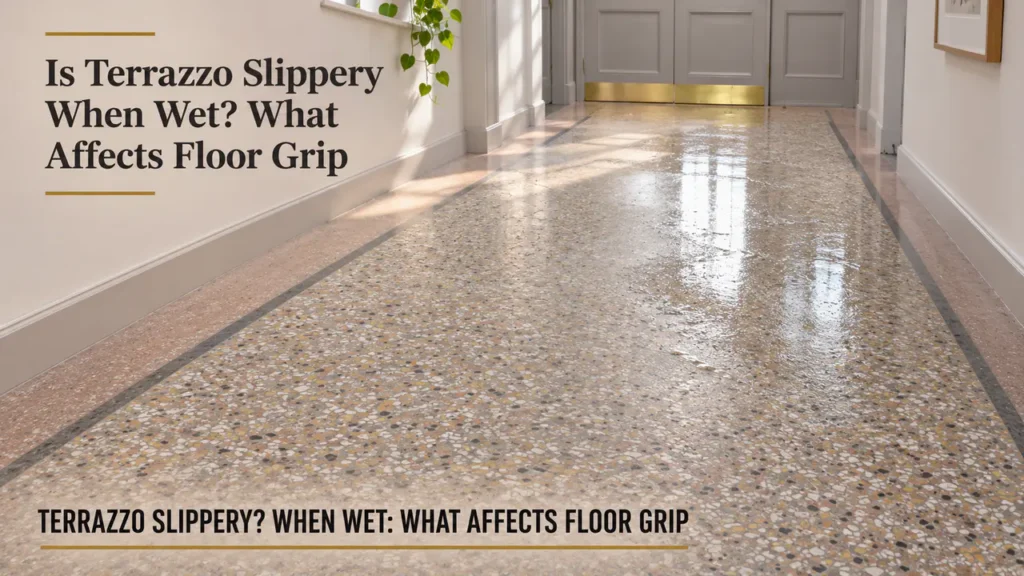
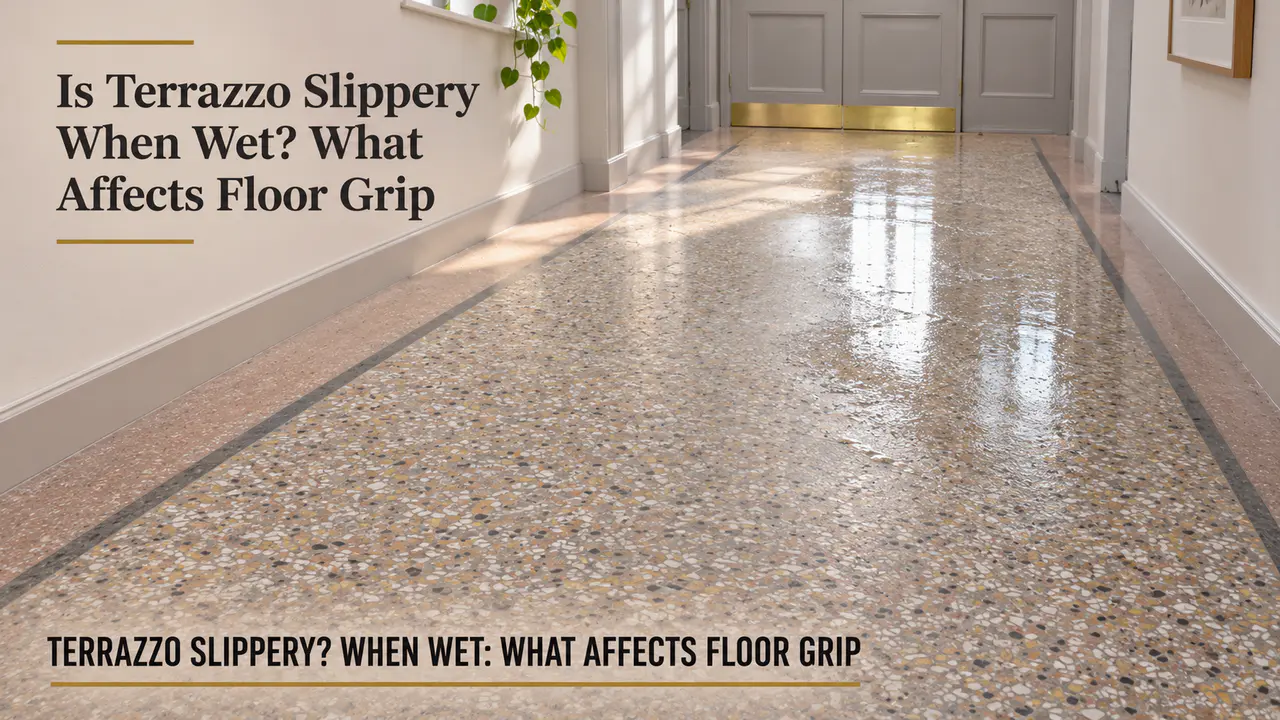
When you encounter a slippery sensation on a smooth terrazzo floor, it’s essential to assess both the surface appearance and the surrounding conditions before concluding that the floor is damaged. Slipperiness does not necessarily indicate that the terrazzo is compromised.
Cement-matrix terrazzo is composed of a grey cement binder surrounding decorative marble chips, resulting in varying performance levels. In the UK, domestic terrazzo floors may consist of monolithic slabs in older properties, modular tiles from later renovations, or traditional patterns with larger fragments, each presenting unique surface conditions.
If the texture feels different without visible signs of wear such as powdering or loss from the matrix, moisture or contamination is likely to be the culprit rather than deterioration. Areas of persistent dullness, rough patches, or dark traffic lanes may indicate binder weakness, highlighting the importance of distinguishing between a temporary wet-surface issue and a condition needing professional evaluation.
How Wet Footwear Affects Grip on Smooth Terrazzo
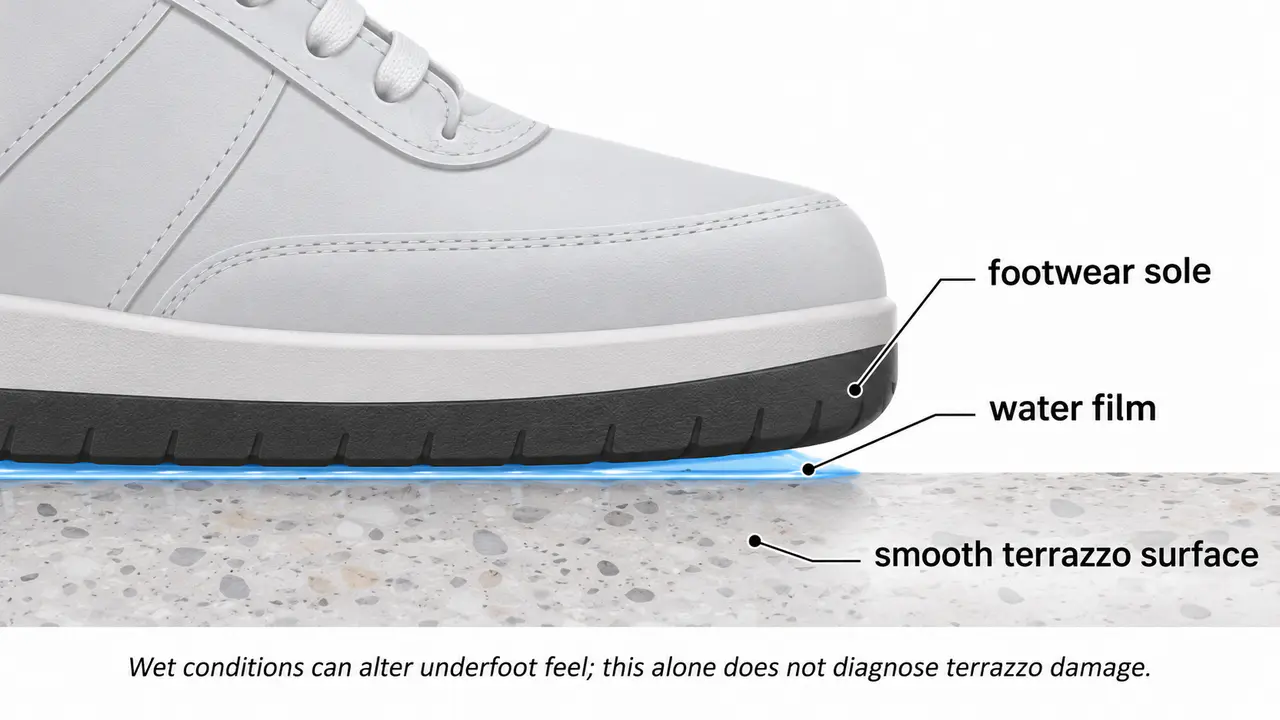
Water can accumulate between footwear and a smooth terrazzo surface, resulting in a loss of grip. An area that feels secure when dry can become slippery following wet weather or after mopping. A thin film of water modifies contact between the shoe and the floor, but this does not necessarily indicate failure of the cement matrix.
Water can diminish grip on a smooth surface without proving that the terrazzo itself is damaged.
Comparing dry and wet conditions is crucial in this context. If a polished area loses traction only when wet, the interaction with the surface may have altered. Conversely, if it feels slippery in both scenarios and displays signs of roughness or visible wear, this suggests a more significant issue with the finish or substrate. Factors such as footwear tread, footfall, and the presence of standing water all play a role in the experience of slipperiness.
Identifying the Locations of Slippery Areas
A single slippery patch can lead to misdiagnosis, so it’s important to examine its location and pattern before making any surface alterations. Slippery areas near doorways, along kitchen routes, or within recently treated spaces may share a common cause that differs from a widespread condition.
To effectively diagnose the issue, follow this sequence:
- Identify each slippery patch and compare its shape with adjacent doors, work areas, and traffic routes.
- Evaluate any recent changes in cleaning methods, dilution ratios, polish, or coatings.
- Inspect the vicinity of the affected area for moisture ingress, grease, dirt, and standing water.
- Compare the feel and appearance of the affected area with an unaffected, dry section.
Localized slipperiness following a product change typically indicates residue or a surface film. Conversely, consistent wet behaviour across the floor may reflect inherent issues with the finish itself. A professional evaluation can differentiate between contamination and a broader condition without relying solely on visual assessments.
The Impact of High Shine on Underfoot Safety
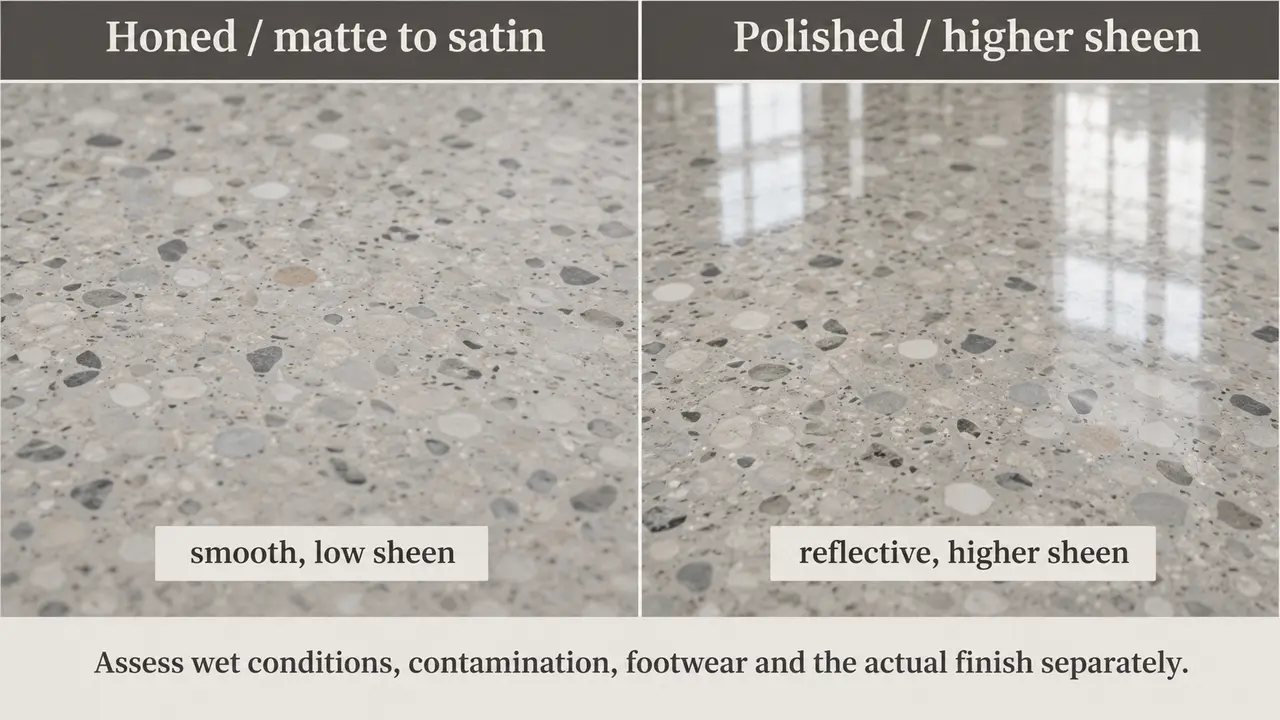
A polished terrazzo floor offers a highly reflective surface, and its wet feel can differ significantly from that of a honed finish. Observing the surface at a low angle helps in gauging the level of sheen. Honed terrazzo presents a smooth, matte finish, while a mechanically polished surface showcases the aggregate and matrix as a single, reflective plane under natural light.
It’s essential to distinguish between visual quality and functional suitability. A sitting room may benefit from a highly reflective finish, but an entrance exposed to rain demands careful consideration regarding wet slip resistance, traction, and regular foot traffic.
Residues from Cleaning Can Make Terrazzo Slippery
A terrazzo floor may seem slick after mopping, despite appearing clean at first glance. Detergents, grease, and residues from repeated cleaning can be difficult to detect under uniform lighting. When wet, these residues can become more pronounced, potentially mimicking a sudden change in the floor’s matrix.
Utilising a pH-neutral stone cleaner ensures routine maintenance is cement-safe and prevents residue buildup. Guidance on safe off-the-shelf terrazzo cleaners helps users select appropriate products while avoiding those that may cause etching or residue accumulation.
Topical Coatings Can Leave a Slippery Surface
A topical coating becomes part of the immediate walking surface. A newly applied wax, polish, or other film can explain a change in traction without indicating a sudden deterioration beneath. Look for variations in gloss, uneven wear, or a transition from sticky to slick across treated areas.
Older surface films can trap contaminants and wear unevenly, leading to inconsistent sheen and localised grip issues. The timing of traction changes after application is crucial; assess the coating condition before attributing issues to the terrazzo floor itself.
Understanding the Limitations of Topical Coatings on Terrazzo
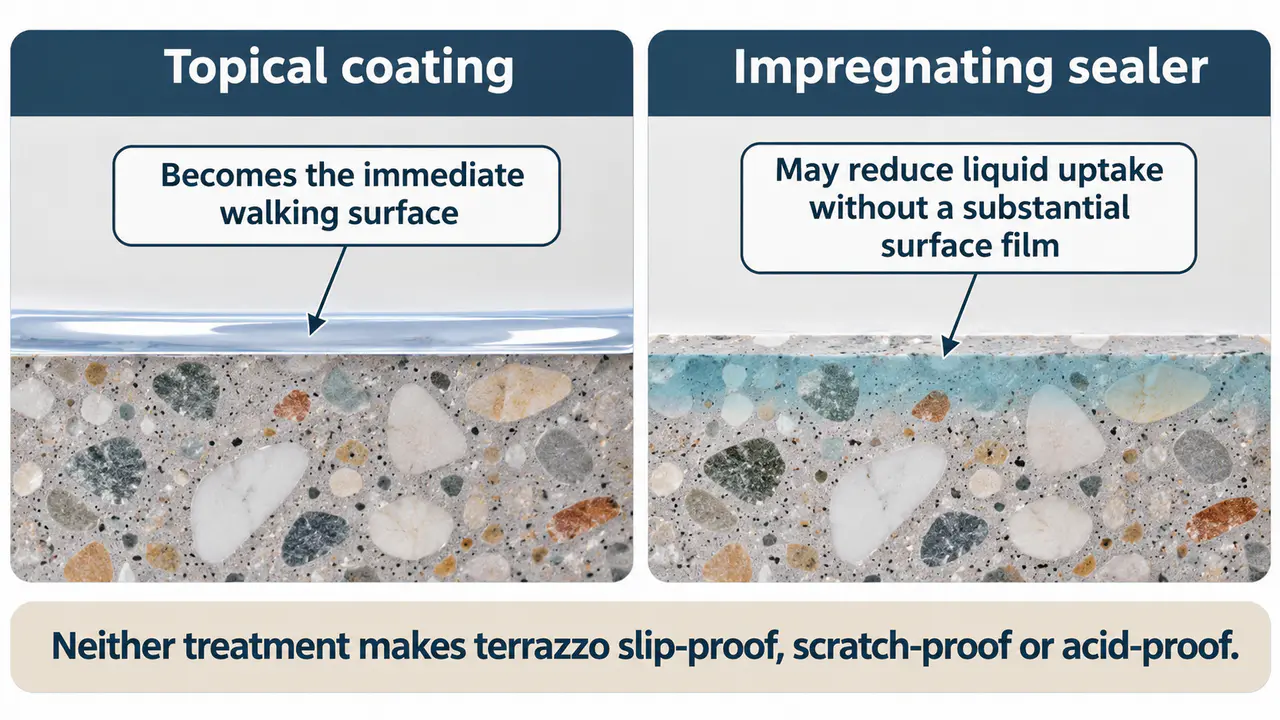
Believing that a sealed terrazzo floor is slip-proof can lead to a false sense of security. While protection against liquid absorption is beneficial, it does not ensure traction. A penetrating product might reduce fluid penetration, but grip relies on the overall finish, surface profile, contamination levels, and wet conditions.
When choosing a system, consider the specific environment, including footwear types, moisture exposure, and foot traffic. Guidance on selecting wax or sealant for terrazzo can help clarify the difference between absorption control and anti-slip treatment decisions.
Risks of Rainwater in Entrance Areas
Rainwater and grit create changing surface conditions in entrance areas, especially over smooth polished terrazzo. Slippery patches forming near doorways after wet weather often result from tracked moisture and dirt rather than a uniform change across the floor.
Using clean, appropriate entrance matting reduces the amount of water and abrasive grit brought in on footwear. Timely removal of standing water also minimises the duration that a water film remains on the surface. Comparing the entrance area with an interior zone can reveal whether the entrance has higher slip potential.
Hard water can leave mineral residues that alter the surface feel after drying and rewetting cycles. A risk assessment should consider the doorway, matting condition, drainage, surface sheen, and traffic patterns collectively, rather than relying on visual shine alone.
The Importance of Measured Slip Assessments for Public Floors
Publicly accessible terrazzo floors require evaluation beyond mere appearance or broad assertions about polished finishes. Workplaces, commercial spaces, and schools must be assessed under typical moisture, footwear, and footfall conditions, as visual impressions do not fully represent the slip risk.
A pendulum slip test provides an objective reference for assessing dynamic slip risk using a 4S rubber slider and heel-strike simulation. Standards such as BS 7976-2, HSE guidelines, and UKSRG interpretations can categorise wet slip potential within appropriate resistance bands. PTV 36 should not be viewed as a universal guarantee across all environments.
Experts may also consider EN 16165, slider 96, ramp tests, or DIN 51130 when necessary. Barefoot testing, surface profiles, and micro-roughness can influence results, so the findings should support a site-specific risk assessment rather than replace it.
The Potential Permanence of Surface Changes
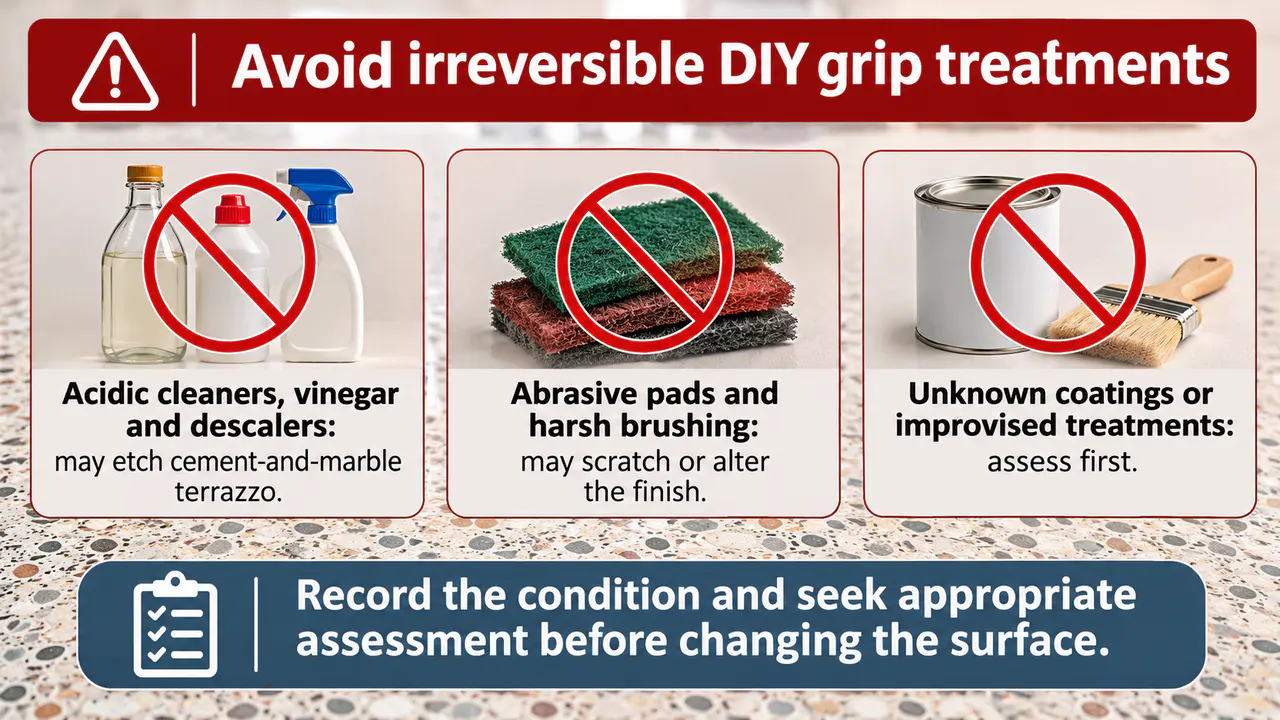
Efforts to enhance grip using abrasive pads, acidic chemicals, or makeshift treatments can irreversibly damage terrazzo before the underlying issue is identified. Document the current sheen, contamination patterns, and aggregate conditions before contemplating any corrective surface changes.
Acid etching refers to the chemical breakdown of the cement matrix and acid-sensitive chips. Homeowners may observe pale dull marks, surface roughening, or loose decorative particles following cleaning. Controlled mechanical assessments, along with specialist resurfacing when needed, can address the altered layer rather than introducing further chemical exposure.
Uncontrolled abrasion can wear material unevenly, creating scratches, inconsistent textures, or finishes that perform differently across various areas. Specialists assess the surface profile to determine whether the issue stems from residue, finish, wear, or damage, as sanding without a diagnosis may exacerbate existing conditions.
Crazing appears as a fine network of micro-cracks on the surface, resulting from binder shrinkage, moisture loss, or stress within the matrix. This condition may signal weakened surface integrity. A thorough assessment is necessary to ascertain whether the cracks are superficial or linked to structural movement before deciding on any filling or refinishing.
Rapid temperature fluctuations can induce thermal shock, causing the cement matrix and marble aggregate to expand at different rates. This can lead to micro-cracking, sealant failure, and bond breakage. Avoid using makeshift heat or steam treatments for altering grip.
Effective Habits to Minimise Everyday Slip Risks
Controlling everyday slip risks becomes simpler when spills, grit, and greasy residues are addressed promptly, preventing them from spreading over the terrazzo surface. Swift removal of spills, alongside vigilance regarding changing wet or contaminated conditions, mitigates risks without necessitating alterations to the finish.
A sudden change in feel should prompt an evaluation of recent cleaning practices, moisture levels, or surface product changes rather than being dismissed as normal wear.
Pro Tip: Recommended Products for Daily Terrazzo Maintenance.
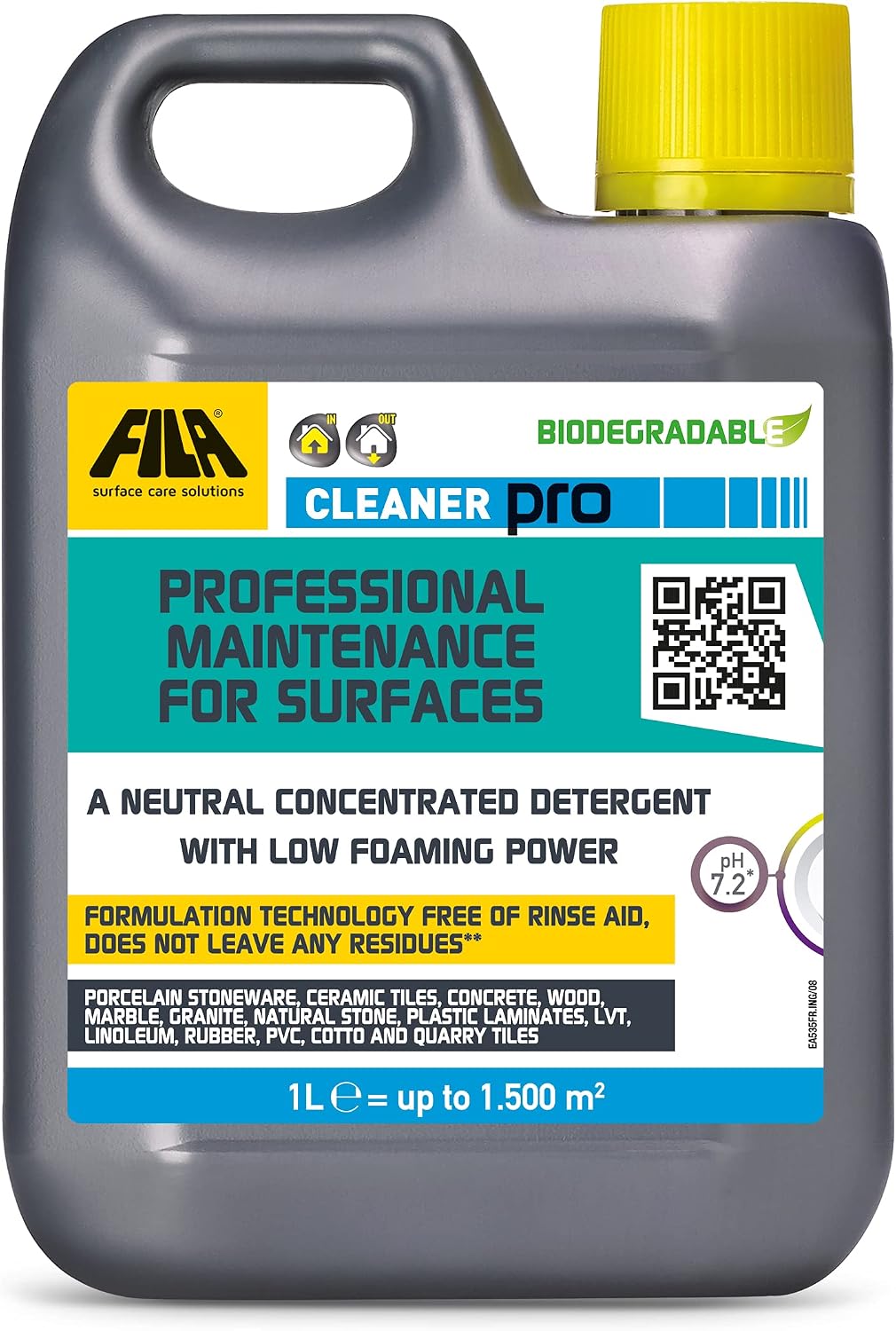
Fila Pro Floor Cleaner
|
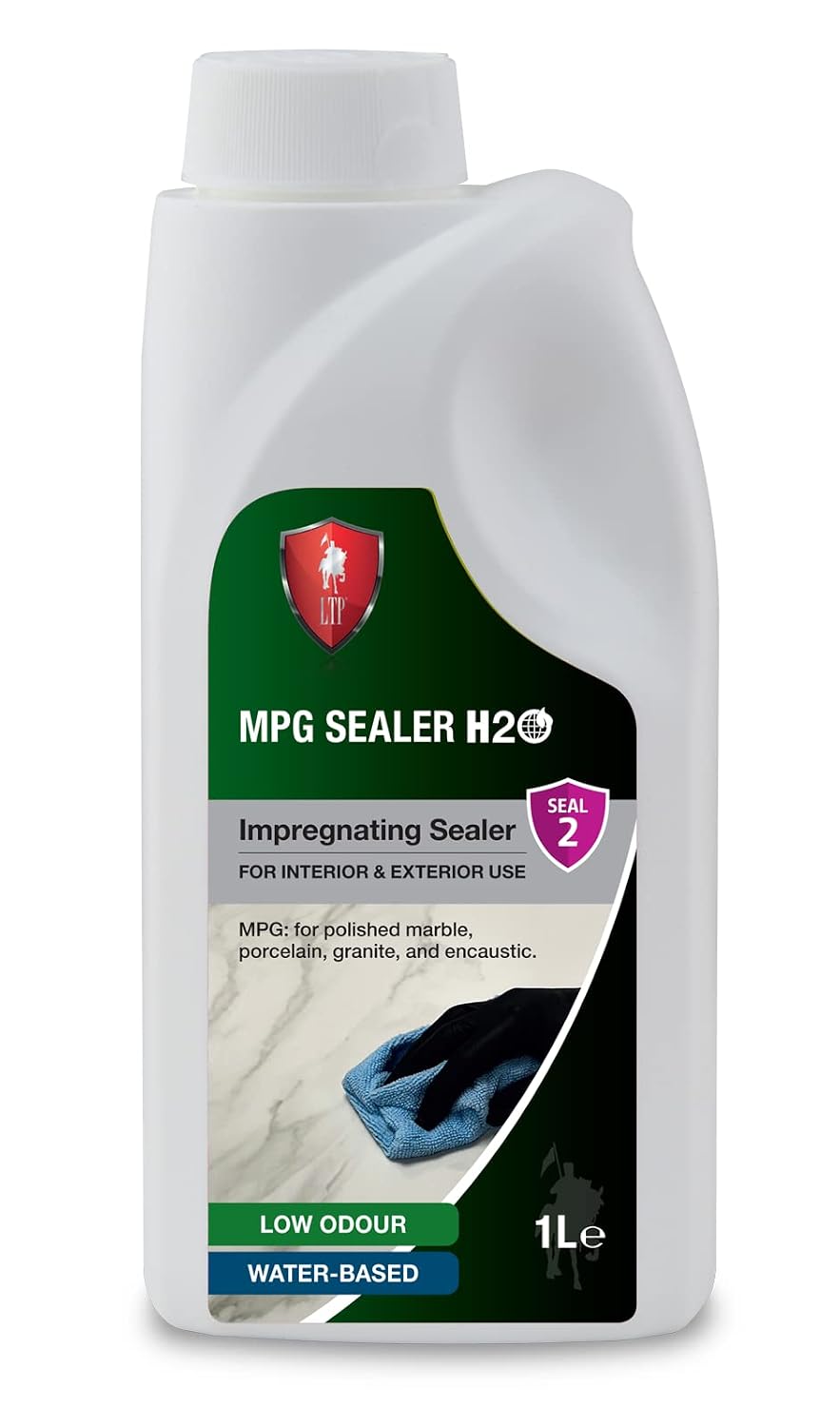
LTP MPG Sealer H20
|
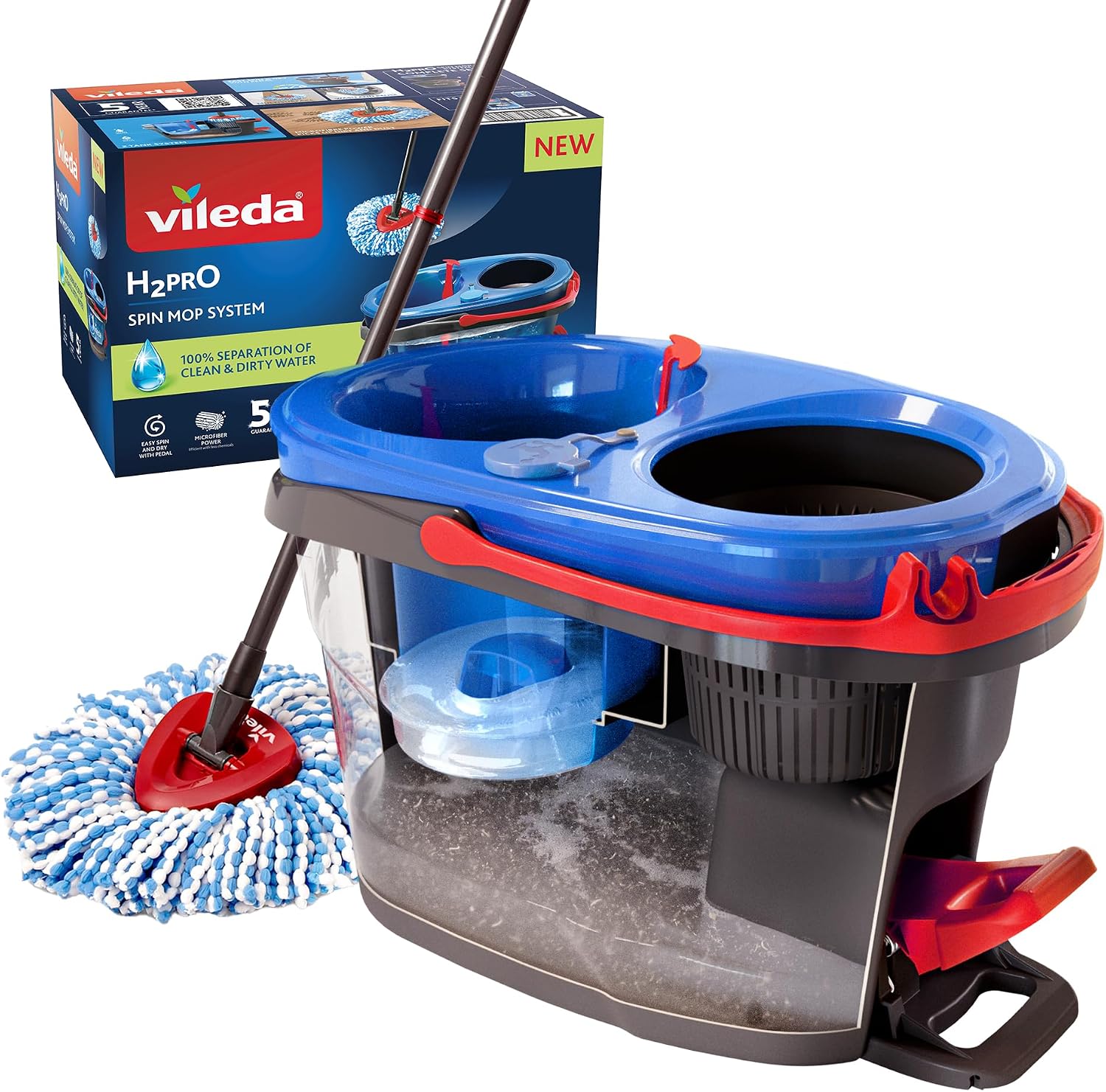
Vileda H2PrO Spin Mop System
|
Regular maintenance is essential for protecting the cement matrix and decorative chips by minimising grit abrasion and residue accumulation.
Select appropriate products and adhere to comprehensive terrazzo flooring care and restoration guidelines for related repair, maintenance, and finishing considerations.

David Allen — Abbey Floor Care
With over 30 years of experience diagnosing terrazzo wet-slip conditions across the UK at Abbey Floor Care, David Allen expertly differentiates between water films, residues, coatings, and cement-matrix deterioration, assisting homeowners in understanding their specific conditions before any permanent surface changes are considered.
The Article Terrazzo Slippery? When Wet: What Affects Floor Grip first appeared on https://abbeyfloorcare.co.uk