Last Updated on November 23, 2026 by David
A lacklustre or uneven limestone floor doesn’t necessarily require honing or replacement. The appropriate treatment is contingent upon whether the issue stems from dirt, cleaning residue, worn protective layers, staining, or actual damage to the stone. While cleaning can eliminate contaminants, it cannot reverse acid etching or remove scratches.
This guide will help you distinguish between these issues, safely care for limestone, and determine when it’s advisable to seek professional cleaning, repair, or surface restoration.
Understanding the Unique Behaviour of Limestone Floors

Limestone is a sedimentary stone primarily made up of calcium carbonate. Two key characteristics are particularly relevant in a home setting: its sensitivity to acids and its varying levels of absorption.
Certain types of limestone readily absorb spills, while others are more resistant to moisture. Factors such as pore structure, surface finish, joints, and previous treatments all influence how quickly a floor darkens when wet and how long it takes to dry. A stone that feels dense is not necessarily immune to stains.
Natural features like fossils, small pits, mineral markings, and fine fissures are often inherent to the stone rather than imperfections. While they can trap soil, their mere presence does not indicate that the floor is deteriorating. Variations in hardness, porosity, and polishing potential mean that a treatment suitable for one type of limestone may not be appropriate for another.
When making everyday decisions, it’s crucial to differentiate between natural characteristics, removable contaminants, and physical surface damage, rather than simply focusing on the floor’s age or the stone type.
What Factors Contribute to a Dull or Patchy Appearance on Your Floor?
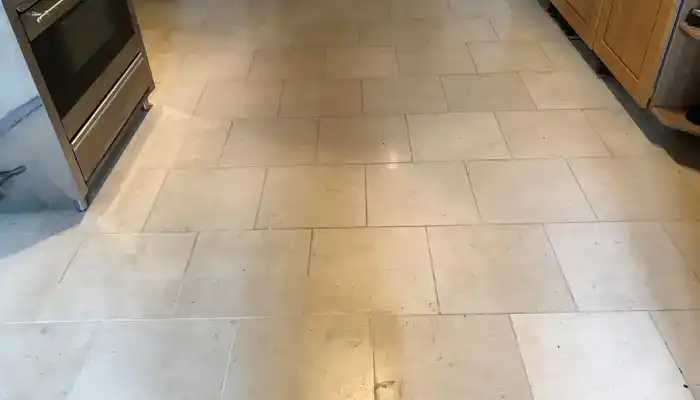
Various issues can lead to a similar dull or patchy appearance. Use the following guide to help you identify the next steps, rather than relying solely on visual diagnosis.
| What you observe | Potential causes | Recommended action |
|---|---|---|
| Grey traffic paths or dirty pits | Embedded dirt, surface wear, or a combination of both | Conduct a small, discreet cleaning trial before considering resurfacing. |
| Smudges or a residue after washing | Detergent residue, old coatings, or incomplete dirt removal | Review the cleaner, its dilution, and rinsing methods; assess previous treatments. |
| Dull splash marks that resist cleaning | Possible acid etching, particularly in food preparation or bathroom areas | Cease the use of stronger cleaners and have the surface evaluated for damage. |
| Areas that darken or dry unevenly | Differing absorption rates, residues, worn sealers, texture, or moisture conditions | Evaluate the floor and its treatment history before resealing. |
| A persistent coloured stain | Possible oil, organic staining, or iron oxidation | Identify the potential substance before selecting a stain treatment. |
| White deposits | Possible salts, hard-water deposits, or installation residue | Identify the deposit and the relevant floor conditions; do not use an acidic remover. |
Age and frequent mopping do not indicate that limestone has developed a weakened surface layer. Genuine friability—where the stone surface is losing cohesion—requires verification. Residues, coatings, texture, and moisture can often be mistaken for deterioration.
For further clarity, see the causes of dullness or patchiness in limestone floors.
Establishing a Safe Routine for Daily Limestone Maintenance
The goal is to eliminate grit and spills without scratching the stone or leaving a residue that attracts more dirt.
- Regularly remove loose grit. Use a soft brush or a vacuum with an appropriate hard-floor attachment. Grit tracked in from outside can wear down the finish.
- Promptly clean up spills. Blot rather than smear them, then clean the area with an appropriate stone cleaner.
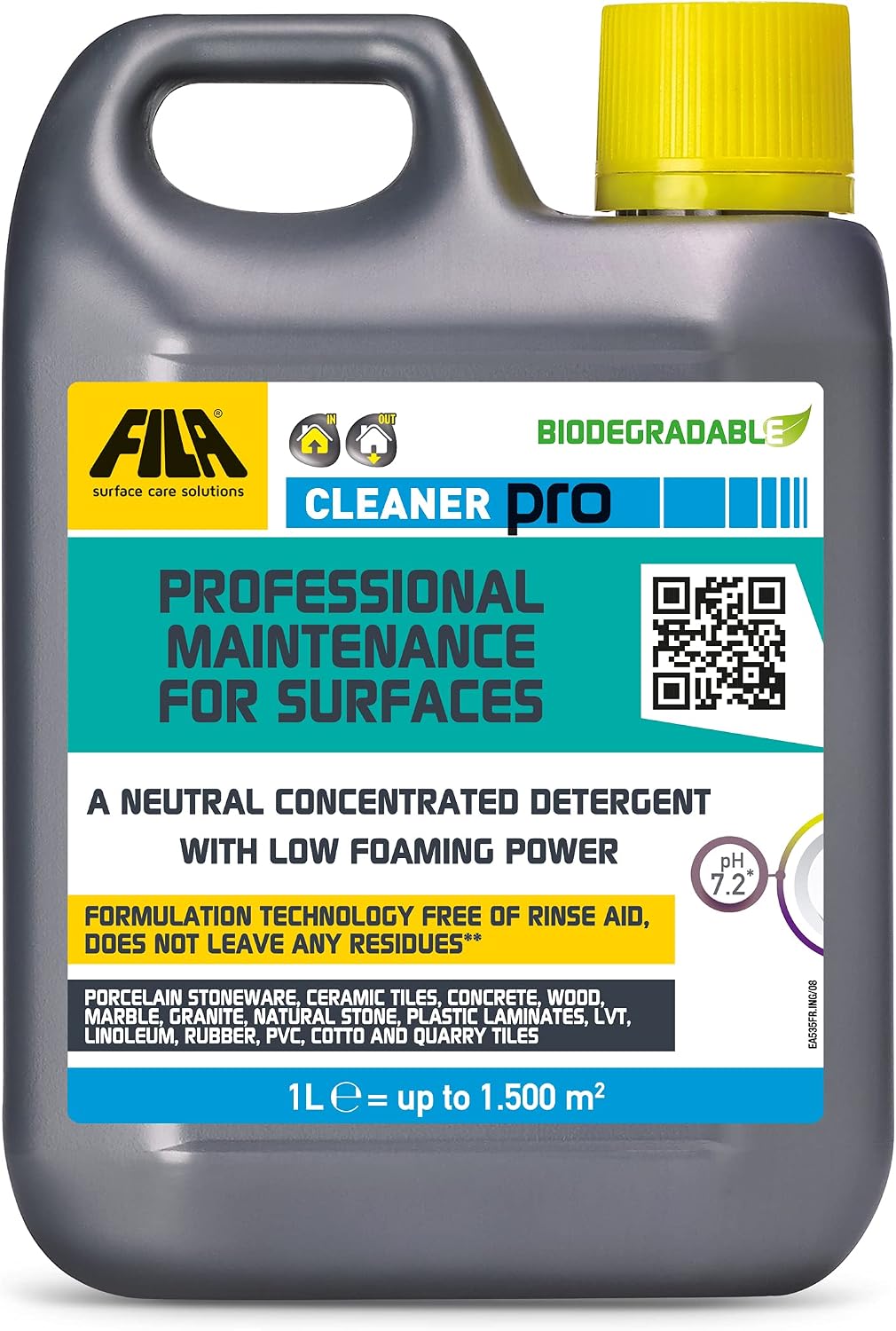
- Utilise a pH-neutral cleaner specifically formulated for natural stone. Adhere to its dilution instructions; using more detergent does not equate to a cleaner surface.
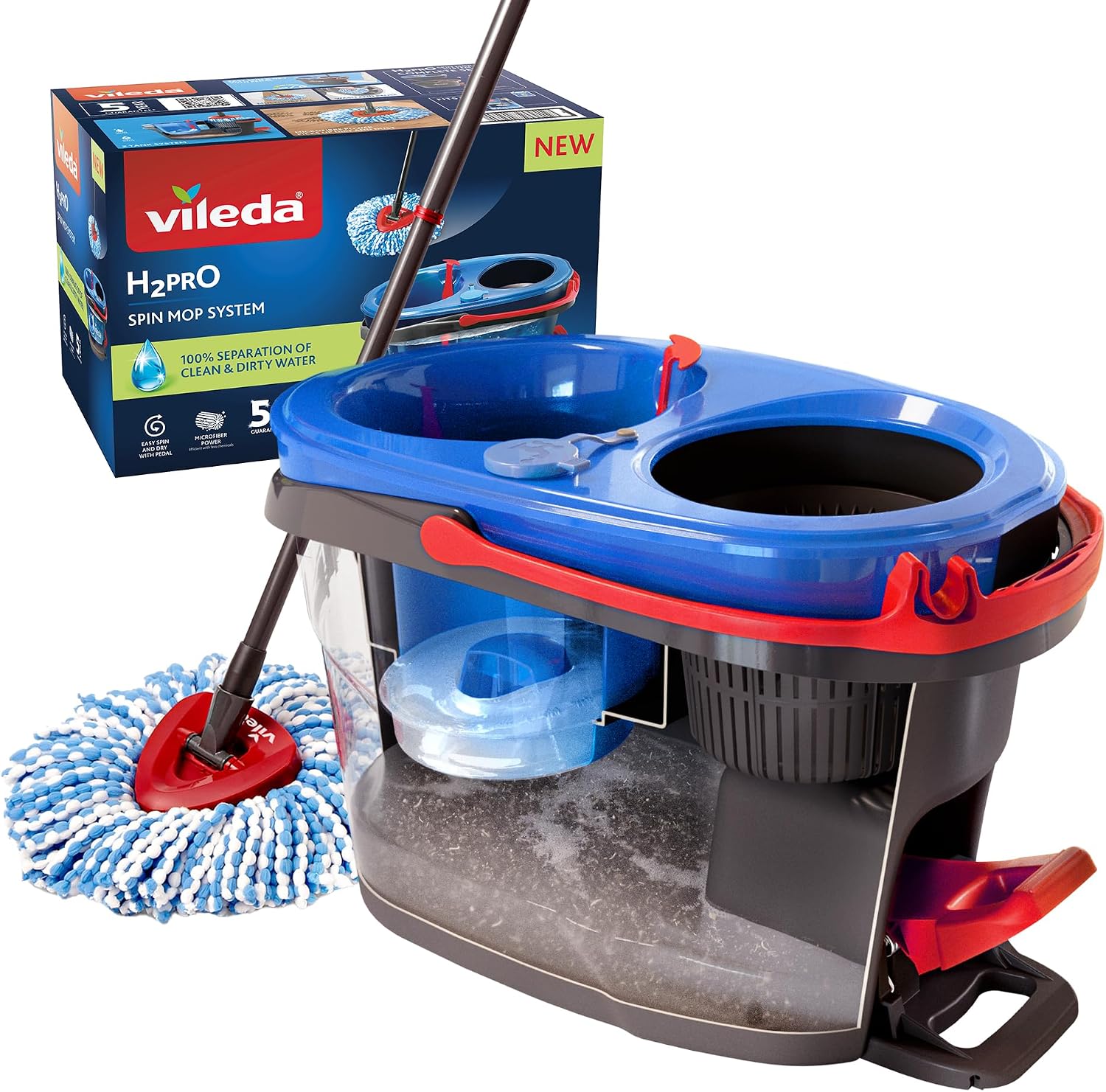
- Clean with a well-wrung mop or pad. Change dirty water instead of redistributing it, and avoid excessive soaking.
- Follow the manufacturer’s instructions for removing any remaining cleaner. If rinsing is necessary, use clean water and ensure no residue is left behind.
Entrance mats and suitable furniture protectors can minimise abrasion. Keep these clean to prevent trapped grit from undermining their effectiveness.
Products and Techniques to Avoid in Limestone Care
- Vinegar, lemon juice, acidic bathroom cleaners, and descalers: Acids can erode limestone’s surface, resulting in etching that cleaning cannot reverse.
- Abrasive pads and scouring powders: These can scratch or alter the finish of the stone.
- Routine strong alkaline degreasers: Incompatible products can damage protective treatments. Professional use is different from repeated household application.
- Bleach-based products for regular care: The effects depend on formulation, concentration, exposure, and the existing stone, grout, and treatments.
- Frequent high-temperature steam cleaning: Heat and moisture can impact vulnerable stone, joints, and coatings, potentially exacerbating salt movement.
- Excessive washing-up liquid or detergent residues: These can leave films that attract dirt.
Repeated use of highly concentrated alkaline cleaners over many years, especially with abrasive scrubbing or inadequate rinsing, may lead to issues with the finish and maintenance. This does not imply that one or two properly controlled alkaline cleans will normally damage sound limestone due to alkalinity alone.
Determining When Cleaning is Sufficient and When Restoration is Necessary
Deep Cleaning by Professionals: Eliminating Surface and Embedded Contaminants
Deep cleaning is warranted when the primary issue involves soil, grease, residues, or a previous treatment that can be removed. The process should begin with an assessment and compatibility trial, rather than assuming that the strongest chemical or most aggressive method will be the most effective.
An appropriate procedure may involve using a stone-compatible neutral or suitably diluted alkaline cleaner, controlled agitation, and careful hand cleaning around edges. Loosened dirt and cleaner must then be effectively removed through thorough rinsing and wet vacuum extraction, utilising appropriate water quantities for the floor.
It is crucial to remove all residues. Dirty slurry left in pits and pores encourages quick re-soiling and can hinder subsequent sealing. Once the floor is clean, assessing its true finish and any remaining damage becomes much easier.
Treating Stains: Tailoring the Approach to the Specific Mark
A stain differs from general dirt. Oil, organic contamination, and iron-related marks necessitate distinct approaches. A specialist can select a compatible cleaner, solvent, or poultice after identifying the stain type and evaluating the stone’s response. Deep stains may improve but may not disappear entirely.
Hard-water limescale requires careful mechanical removal to avoid damaging the limestone beneath. Avoid using kettles or bathroom descalers. Similarly, installation haze should not be treated with acidic cement removers that are typically used on acid-resistant tiles.
For more information, read about why limestone stains and why some marks do not come off.
Honing: Addressing Confirmed Surface Damage
Honing employs abrasives to remove a thin layer of stone and refine the finish. It may be appropriate for confirmed wear, scratches, or etching that cleaning or professional repolishing cannot rectify. This is a process of material removal, not merely a deeper cleaning method.
The abrasive sequence should be based on testing the specific floor. Factors such as stone grade, damage depth, remaining thickness, and the desired finish are more important than a standard grit sequence or country of origin.
There are limitations: deep scratches may persist if removing them would compromise too much stone. Excessive honing can reveal fossil voids, softer material, or natural fissures. Some limestones can achieve a high polish; others are better suited to a matte or satin finish.
Mechanical work also requires proper dust and slurry management. Wet methods or suitable on-tool extraction should be employed where feasible, ensuring compliance with UK HSE guidelines regarding exposure assessment and appropriate protective measures. Fine mineral dust must not be dry swept.
For a more detailed overview of treatment options, see limestone honing and repair explained.
Repairs: Resolving Localised Defects Without Compromising Natural Character
Chips, selected voids, and cracks can be filled with suitable colour-matched repair materials. Not every fossil depression or hairline feature requires filling. If movement persists, a cosmetic crack repair may reopen; filling alone does not resolve the underlying movement.
Raised tile edges can trap dirt, but grinding them down is a distinct treatment—not a routine requirement for every restoration.
The Role of Sealing: What It Can and Cannot Achieve
Typically, a suitable sealer is recommended following professional cleaning, depending on the floor’s condition and adequate drying. Its primary purpose is to reduce absorption, enhance resistance to staining, and simplify maintenance.
- Impregnating sealers
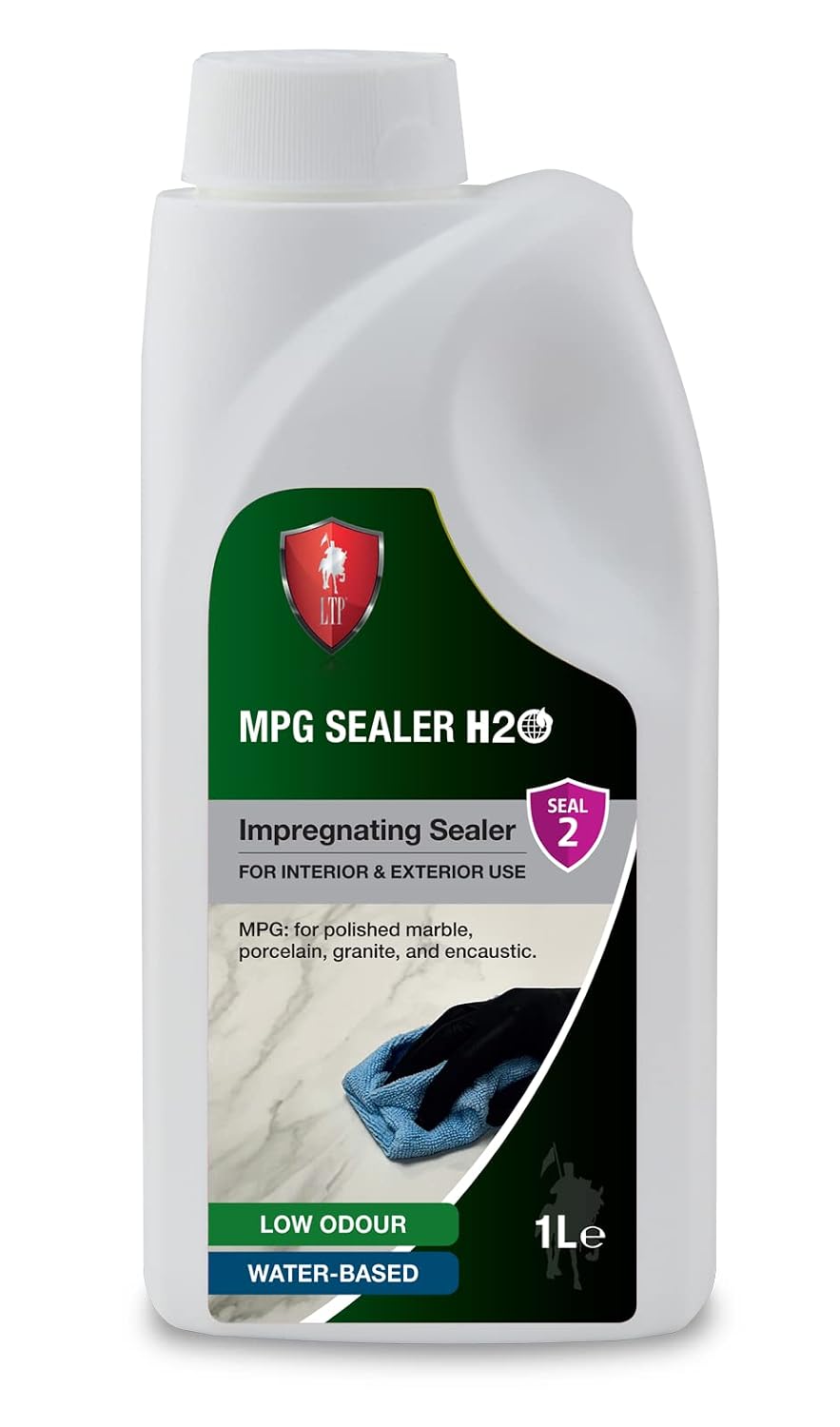
- These work within the stone’s pore structure instead of forming a surface coating. They reduce absorption but do not prevent acid etching, scratching, or all types of stains.
- Colour-enhancing impregnators
- These deepen the natural tones and markings without adding gloss. The change can be long-lasting and challenging to reverse, so it’s advisable to approve a representative trial first.
- Topical or film-forming sealers
- These create a coating on the surface. They may be suitable for certain floors, but compatibility, traffic patterns, moisture movement, salts, and future maintenance need thorough consideration.
Avoid sealing over an unexplained issue just to create a more uniform appearance. Existing coatings, recurring deposits, and moisture conditions must be assessed beforehand. White deposits or an older floor’s age do not, by themselves, indicate a building defect or provide insight into how the floor was constructed.
Drying time before sealing varies based on the stone, construction, previous treatments, and room conditions. Follow the product’s requirements and manage underfloor heating according to the floor and product guidance, rather than using it to expedite drying.
There is no universal resealing interval or reliable “30-second water test” applicable to all limestone. Evaluate performance on clean, dry stone using product-specific checks, known previous absorption rates, exposure, and maintenance history.
Long-Term Considerations for Living with Limestone
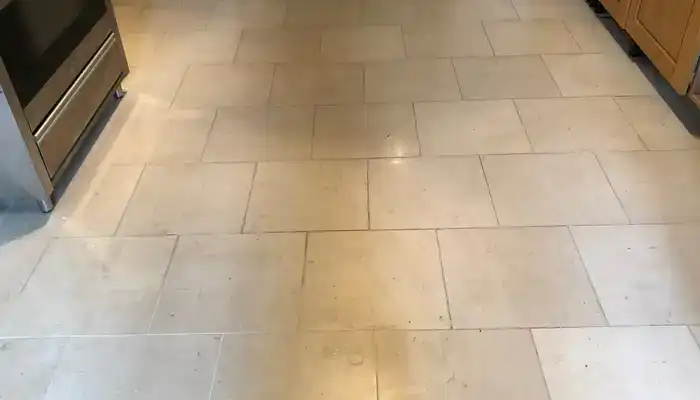
Limestone can be a practical choice in a busy home, provided its finish and care routine are appropriate for the environment. Kitchens are prone to grease and acidic spills; entrances collect grit; while pets and furniture introduce abrasion. A highly reflective finish may make minor scratches and etching more apparent than a lower-sheen finish, although the achievable look depends on the stone type.
Plan maintenance based on the floor’s condition rather than adhering to a strict schedule. Recurrent smears indicate a need to reassess cleaning methods and residue management. Persistent changes in absorption call for an evaluation of protective measures and floor conditions. Visible surface damage necessitates a discussion on whether localised correction or comprehensive refinement is warranted.
Restoration should focus on preserving useful stone rather than striving for a flawless appearance at any cost. Natural markings will persist, some stains may remain, and ongoing movement or moisture can limit the longevity of repairs and treatments.
If you are contemplating limestone for a kitchen, investigate the benefits and limitations of limestone kitchen flooring. If your current floor requires more than routine care, this guide to limestone restoration elaborates on the broader treatment process.
Key Considerations Before Committing to Restoration
- What is causing the unsatisfactory appearance, and what does the trial area reveal?
- Will cleaning alone resolve the issue, or is there confirmed damage that requires surface correction?
- Which natural features, stains, or scratches are likely to remain visible?
- What finish is realistic for this specific type of limestone?
- Which sealer is compatible, and what drying and maintenance will it necessitate?
The optimal starting point is the least invasive treatment that addresses the identified issue. Determine what is present on the stone, what has affected its surface, and what conditions might influence treatment before deciding to proceed with honing or sealing.
Pro Tip: We recommend these products for daily limestone cleaning and interim sealing.
Disclosure: As an Amazon Associate, Abbey Floor Care earns from qualifying purchases at no extra cost to you.

David Allen — Abbey Floor Care
David Allen of Abbey Floor Care possesses over 30 years of practical floor restoration experience. His expertise encompasses limestone cleaning, honing, repair, and sealing, with a keen focus on stone condition, finish, and ongoing maintenance.
The Article Patchy Limestone Dullness Has Roots In Floor Behaviour first appeared on https://abbeyfloorcare.co.uk