

Last Updated on 21 November 2026 by David
Understanding the Impact of Terrazzo Construction on Durability and Cleaning
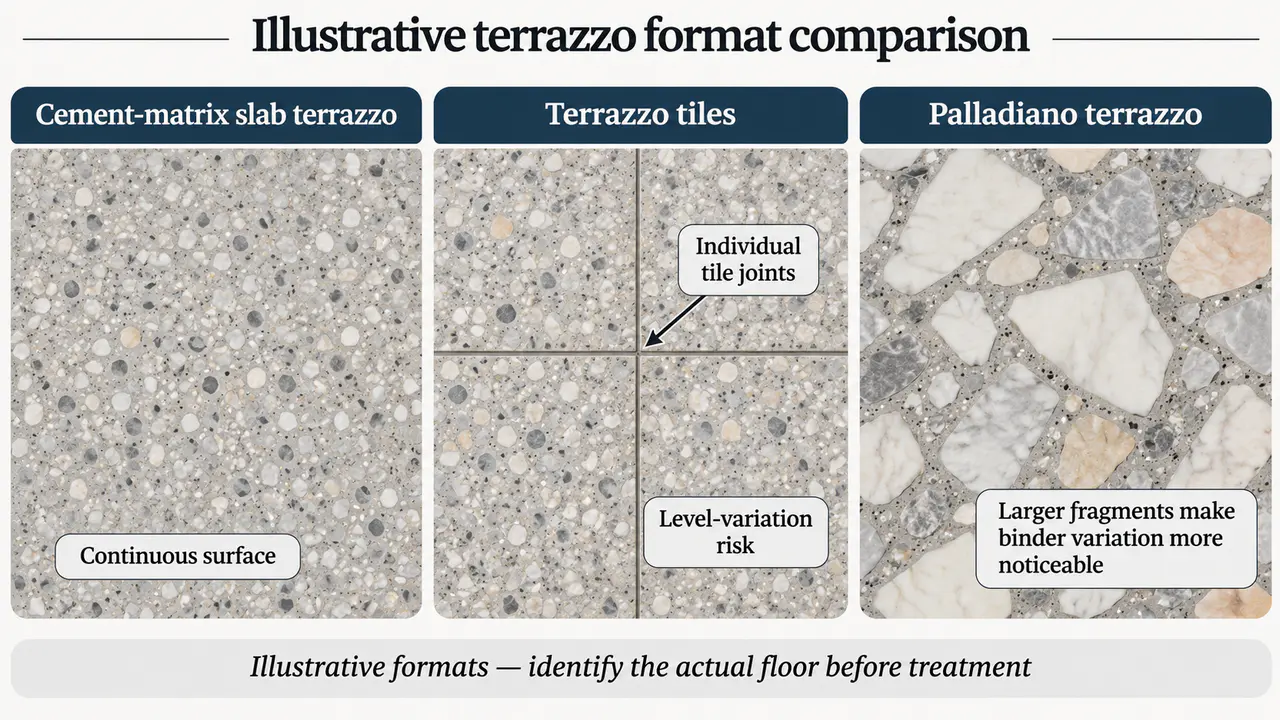
Traditional domestic terrazzo typically comprises marble chips embedded within a cement-based binder. the construction, age, and prior treatments of installations can differ significantly. These variations influence both the areas that require inspection and the maintenance strategies to employ. Most of the guidance provided below pertains to cement-and-marble terrazzo. Resin-bound systems, including epoxy terrazzo, necessitate separate care instructions from the manufacturer.
Continuous Cement-Matrix Slab Floors
In older properties, terrazzo may be formed as a seamless floor. This continuous surface can appear uniform due to the absence of individual tile edges. areas such as entrances, frequently walked paths, and sheltered spots may experience varying levels of soil retention and wear. Assess affected areas against less-used sections in consistent lighting, allowing the floor sufficient time to dry before evaluating its appearance.
Individual Terrazzo Tiles
Modular terrazzo tiles introduce joints and distinct edges. The condition of these tiles may vary, with contamination potentially accumulating around joints or at changes in surface height. A patchy look following cleaning does not necessarily indicate deterioration of the tiles or the cement binder.
Larger-Fragment and Factory-Made Terrazzo
Palladiano-style terrazzo features larger decorative fragments, making it easier to detect variations in the surrounding binder. Factory-produced terrazzo units may exhibit more uniform dimensions, yet their condition can still fluctuate depending on usage, previous maintenance, and treatment. It is crucial to identify the specific type of terrazzo and its finish rather than assuming a uniform cleaning method applies to all varieties.
What Causes Marks to Persist After Standard Cleaning?
Persistent dark patches or dull areas can arise from a variety of factors, including trapped soil within an old coating, absorbed stains, scratches, etching, or alterations to the cement-based surface. Even when marks appear similar, the appropriate follow-up action may differ.
While cleaning can eliminate contamination, it cannot replace missing material or reverse an etched surface.
Cement-based terrazzo can have pinholes, worn spots, or surface pores that retain contaminants. the marble aggregate and cement binder are sensitive to inappropriate chemicals. colour alone does not determine whether a stain has penetrated the material, whether the binder is compromised, or whether the mark is sitting on an existing protective treatment.
Begin with a compatible cleaning approach and reassess once the area has dried. If a mark improves, it may involve removable contaminants; if it persists, further identification is necessary instead of automatically resorting to grinding, stripping, or sealing. Should the surface feel abrasive, break apart, or exhibit loose or shifting sections, cease aggressive cleaning and seek professional evaluation.
Implementing an Effective Terrazzo Maintenance Routine
A straightforward, repeatable routine effectively tackles the everyday causes of dullness and scratching while minimising unnecessary treatment risks.
- Start by removing dry grit. Use a soft dust mop or an appropriate hard-floor vacuum attachment before introducing moisture.
- Clean with a compatible product. Select a low-residue, typically pH-neutral cleaner that is approved for your specific terrazzo and any known coating or sealer; adhere to the product’s dilution and rinsing instructions.
- Promptly blot spills. Absorb liquids with a clean, absorbent cloth, and then clean according to the identified floor type and finish. Avoid leaving standing water around cracks, joints, or repairs.
- Maintain protective household items. Regularly clean entrance mats and mop heads, and inspect furniture pads for embedded grit.
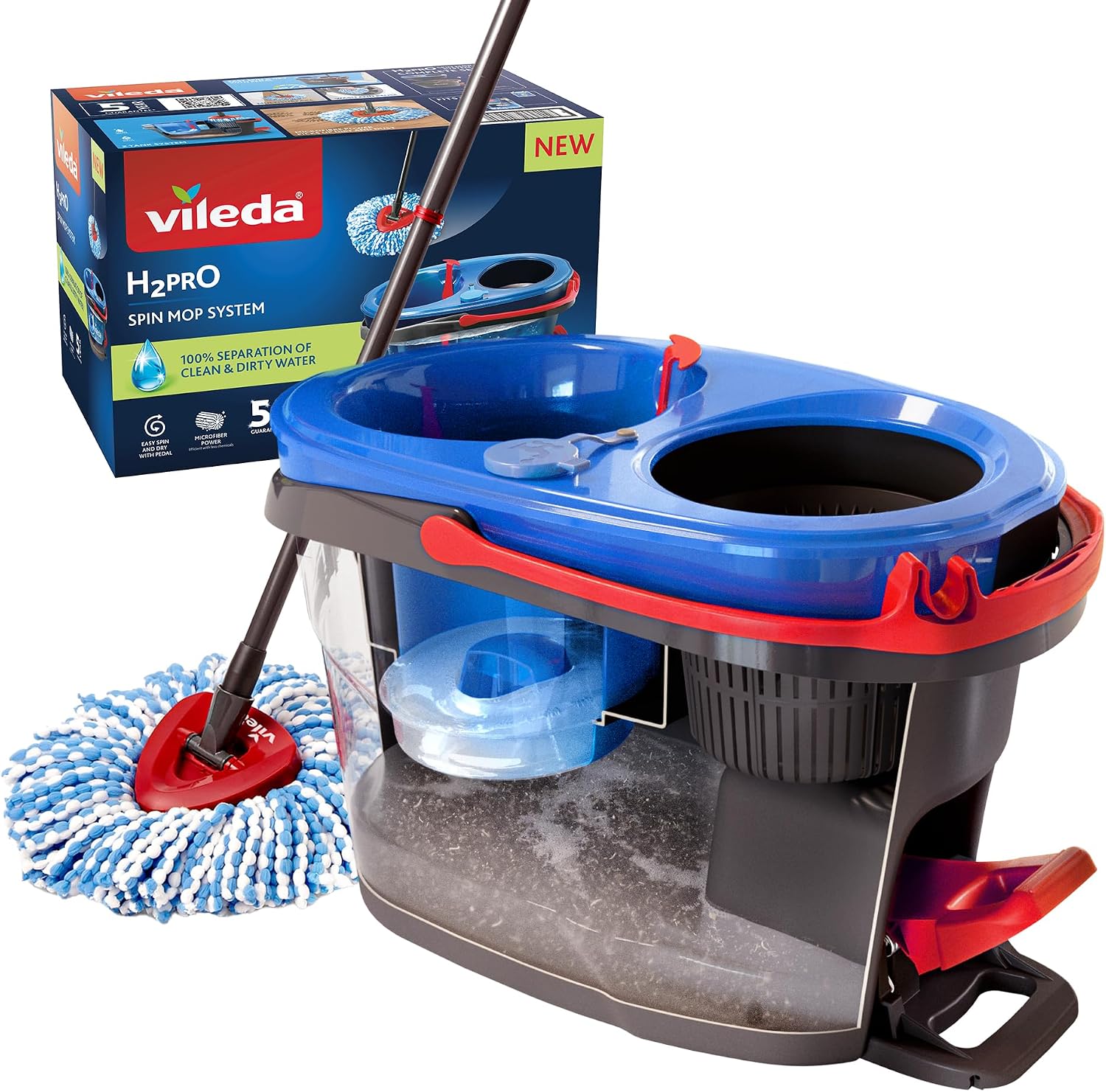
Utilise a well-wrung mop instead of flooding the floor, remove dirty water rather than redistributing it, and allow the surface to dry before evaluating its appearance. For comprehensive material guidance, refer to our terrazzo flooring care guide.
Strategies to Prevent Scratches from Grit and Furniture
Loose sand and grit carried indoors can damage terrazzo underfoot, particularly along high-traffic routes and around entrances. A reflective surface may easily reveal fine scratches, while the appearance of a dull lane does not necessarily indicate that abrasion is the sole cause.
Eliminate Dry Grit Prior to Wet Mopping
Vacuum using an appropriate hard-floor attachment or utilise a soft dust mop before proceeding with damp cleaning. An aggressive carpet beater bar or a dirty cleaning pad may drag abrasive particles across the surface. Change or clean your equipment as soon as it begins to trap grit.
Ensure Entrance Mats are Clean
Entrance mats can effectively capture grit and moisture before they reach the floor, provided they are appropriate for the surface and maintained regularly. A heavily soiled mat may inadvertently transfer particles back into the room. Inspect its backing and edges to ensure they are not damaging the terrazzo.
Prevent Damage from Furniture Movement
Always lift furniture instead of dragging it. Where suitable, use appropriate pads beneath the legs and check them for wear or trapped debris. A pad containing grit can itself become a source of scratching.
Selecting and Utilising the Correct Terrazzo Cleaner
For regular maintenance, choose a low-residue cleaner that the manufacturer confirms is compatible with your terrazzo and its existing protective treatment. A typically pH-neutral stone cleaner is a sensible starting point for many cement-and-marble floors, but the label alone does not guarantee suitability for an unrecognised coating.
Refrain from using vinegar, acidic descalers, or abrasive scouring products on cement-and-marble terrazzo. Acids can etch the marble aggregate and damage the cement binder. Bleach and unsuitable strong cleaners should not be employed as routine substitutes for compatible floor care. Specialist alkaline cleaning may be necessary for specific contaminants but depends on the floor, product guidelines, and controlled removal of residues.
Avoid Excessive Detergent Use
A sticky feel, mop streaks, or cloudiness may suggest cleaner residue, but they can also stem from other issues. Always adhere to the specified dilution and rinsing instructions. Adding more product does not necessarily mean better cleaning.
Regularly Change Dirty Mop Water and Pads
Using dirty water and contaminated pads can redistribute soil, leaving a film on what would otherwise be a clean surface. Refresh water and cleaning materials as necessary, dispose of the soiled solution, and avoid flooding the floor. Evaluate any remaining marks only after the surface has dried.
Effective Spill Management and Understanding Sealer Protection
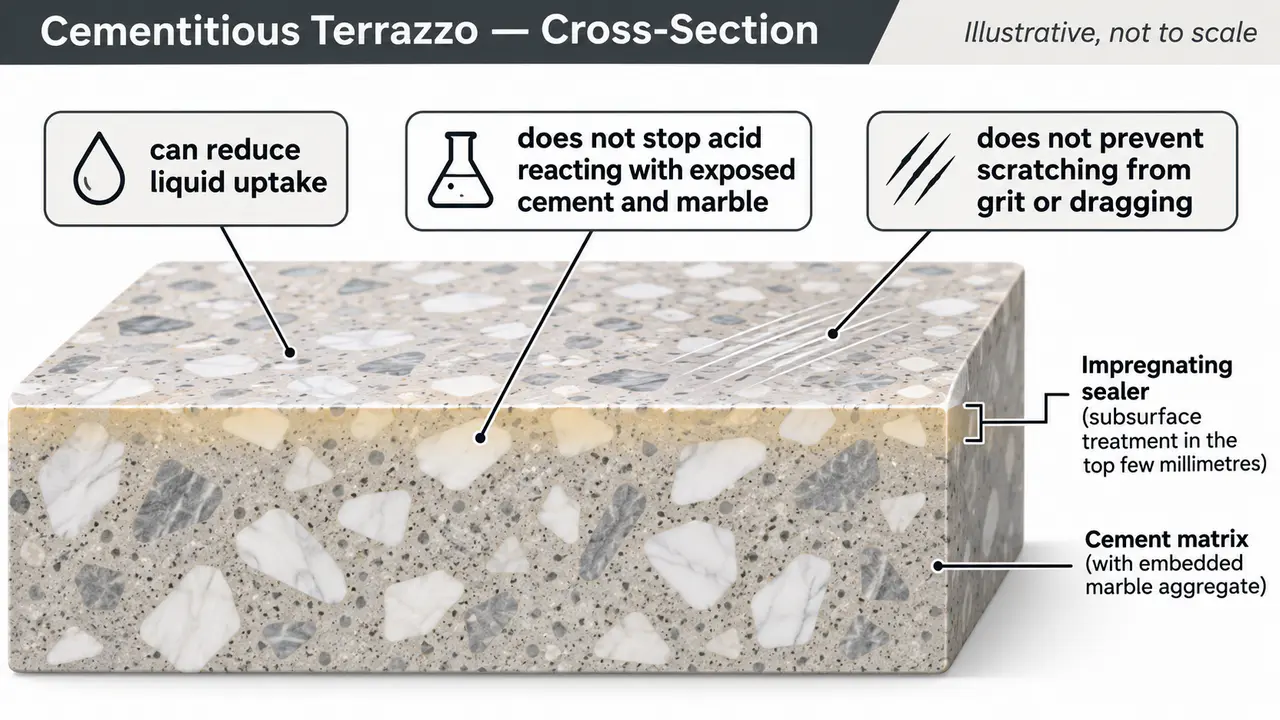
Immediately blot spills rather than allowing liquid to linger on porous or worn areas. Acidic foods and beverages can etch marble-containing terrazzo, even if the floor has a protective treatment. The nature of the spill is crucial: a colour change alongside a dull or rough surface mark may necessitate different assessments.
Understanding the Limitations of Sealing Terrazzo
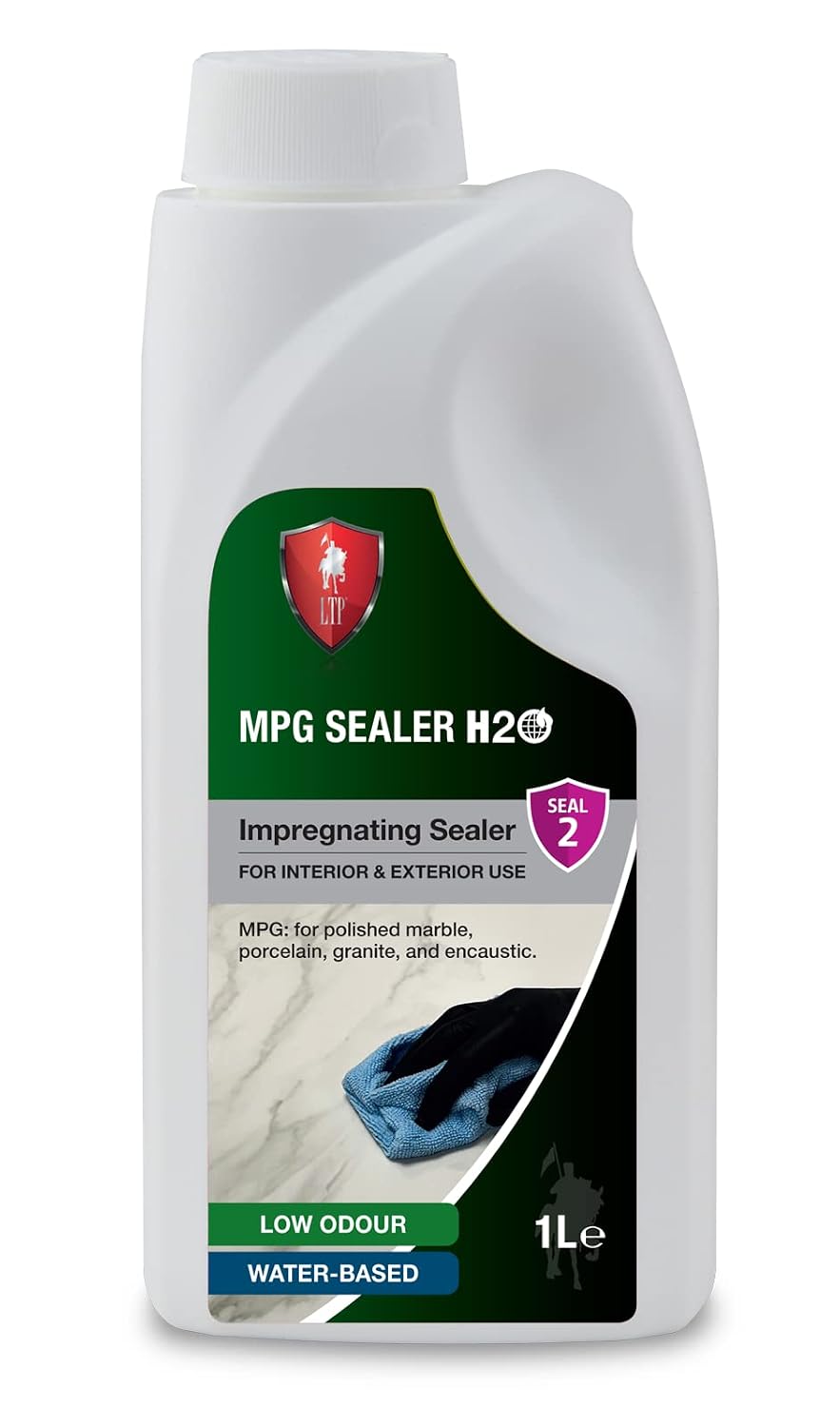
An appropriate impregnating sealer may diminish liquid absorption and simplify maintenance without creating a substantial surface film. Its effectiveness relies on the product, the condition of the terrazzo, and proper application. It does not render the floor waterproof, acid-proof, scratch-proof, or immune to staining.
Protection against absorption differs from protection against abrasion. Grit and the movement of furniture can still mar the surface, while acidic contaminants may lead to etching. Existing topical coatings and waxes require different maintenance considerations than impregnating products; the gloss alone does not identify the treatment.
If you are contemplating renewal, our guide on how often terrazzo should be sealed elaborates on why the timing depends on the existing treatment, the floor’s condition, and usage rather than adhering to a fixed schedule.
When Should Professional Assessment be Considered for Dull Patches?
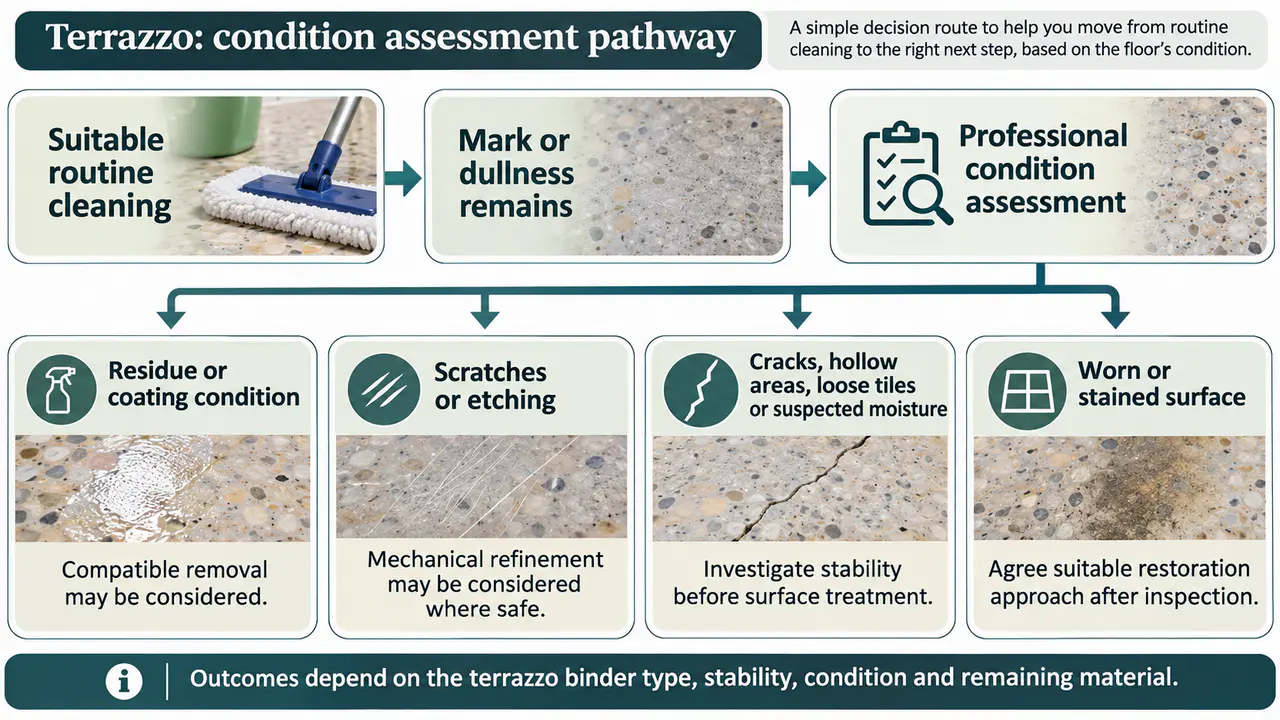
Marks that remain after appropriate cleaning may result from surface residue, absorbed contaminants, scratches, etching, changes to coatings, or wear. Some of these issues can overlap. A dull patch that persists after cleaning does not automatically warrant polishing, honing, or grinding.
Assess the Condition Before Selecting a Treatment
- Clean gently using a compatible method and allow the area to dry.
- Compare colour, reflection, and texture with the surrounding terrazzo in consistent lighting.
- Document any changes such as roughness, scratches, persistent dark patches, cracks, or a visible film, without assigning a cause based solely on appearance.
- Seek expert evaluation if the mark persists, recurs, or involves loose, cracked, or deteriorating material.
Cleaning can eliminate soil; a coating may require a different treatment; while physical wear may necessitate assessed surface refinement. Mechanical work removes material permanently, so factors such as construction, stability, and available surface thickness should be carefully considered beforehand. In particular, dark traffic lanes do not necessarily imply degradation of the cement binder.
Prior to intensifying domestic cleaning efforts, consult our guide on terrazzo deep-cleaning limitations. Do not scrape, sand, or grind unidentified old adhesive or loose material without appropriate assessment.
How Frequently Should Terrazzo Undergo Deep Cleaning?
There is no universal schedule for deep cleaning that applies to every terrazzo floor. A heavily used entrance may gather grit and contaminants more swiftly than a lightly trafficked room, and existing coatings or damage can alter the effectiveness of cleaning.
Determine whether deeper cleaning is necessary based on the actual condition, results from routine care, and type of contamination present. If the floor remains clear and easy to maintain, regular specialist treatments should not be automatically deemed necessary. If dullness, ingrained soil, or changes to the coating persist despite proper routine cleaning, identify the cause before opting for an intensive treatment.
Consistent grit removal, appropriate damp cleaning, clean entrance mats, and prompt spill management are more valuable everyday priorities than repeatedly applying stronger chemicals or additional polish.
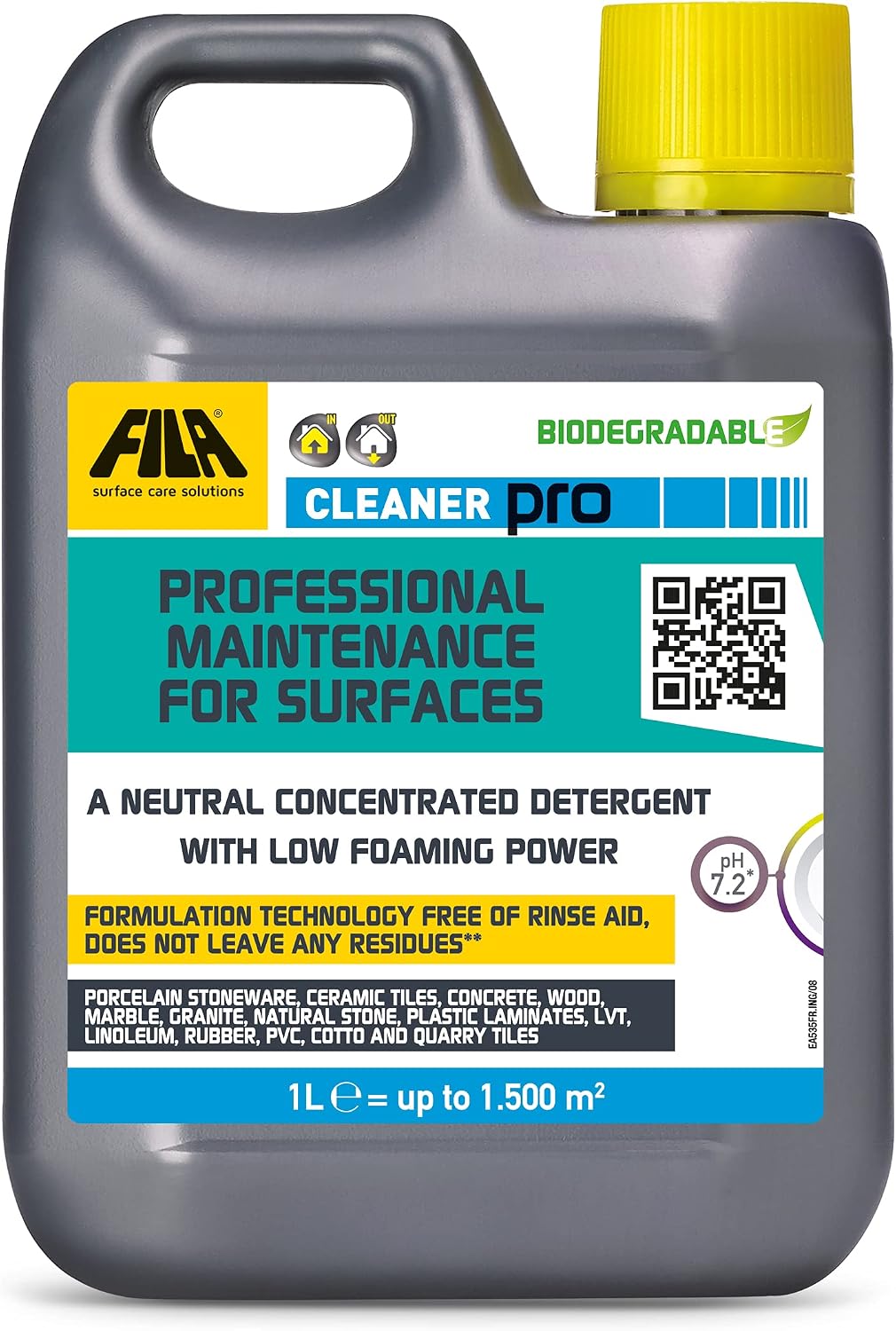
Pro Tip: We recommend these products for daily terrazzo maintenance cleaning.
Disclosure: As an Amazon Associate, Abbey Floor Care earns from qualifying purchases at no extra cost to you.

David Allen — Abbey Floor Care
David Allen has dedicated over 30 years to working with terrazzo and other hard flooring across the UK, through Abbey Floor Care. His expertise combines practical maintenance insights with a deep understanding of cement matrices, decorative aggregates, and the various factors that impact long-term floor care.
The Article Dull Terrazzo Floors Need Maintenance, Not Stronger Cleaners first found on https://abbeyfloorcare.co.uk