Ultimate Guide to Travertine Flooring: Essential Insights for Homeowners
Understanding Travertine: Nature’s Refined Stone

Travertine is an exquisite and timeless stone that forms in mineral-rich springs and limestone caves. Its elegant swirls and natural colours make it a favourite among homeowners across the United Kingdom. Beyond its captivating appearance, travertine offers exceptional durability, making it ideal for high-traffic areas in homes where both beauty and strength are paramount. With proper care, this natural material can retain its allure for decades, infusing warmth and character into any room, from charming cottages to sleek contemporary spaces. Given its natural porosity, regular sealing and gentle maintenance are crucial to safeguard it against everyday spills and stains, providing homeowners with both reassurance and pride in their living environments.
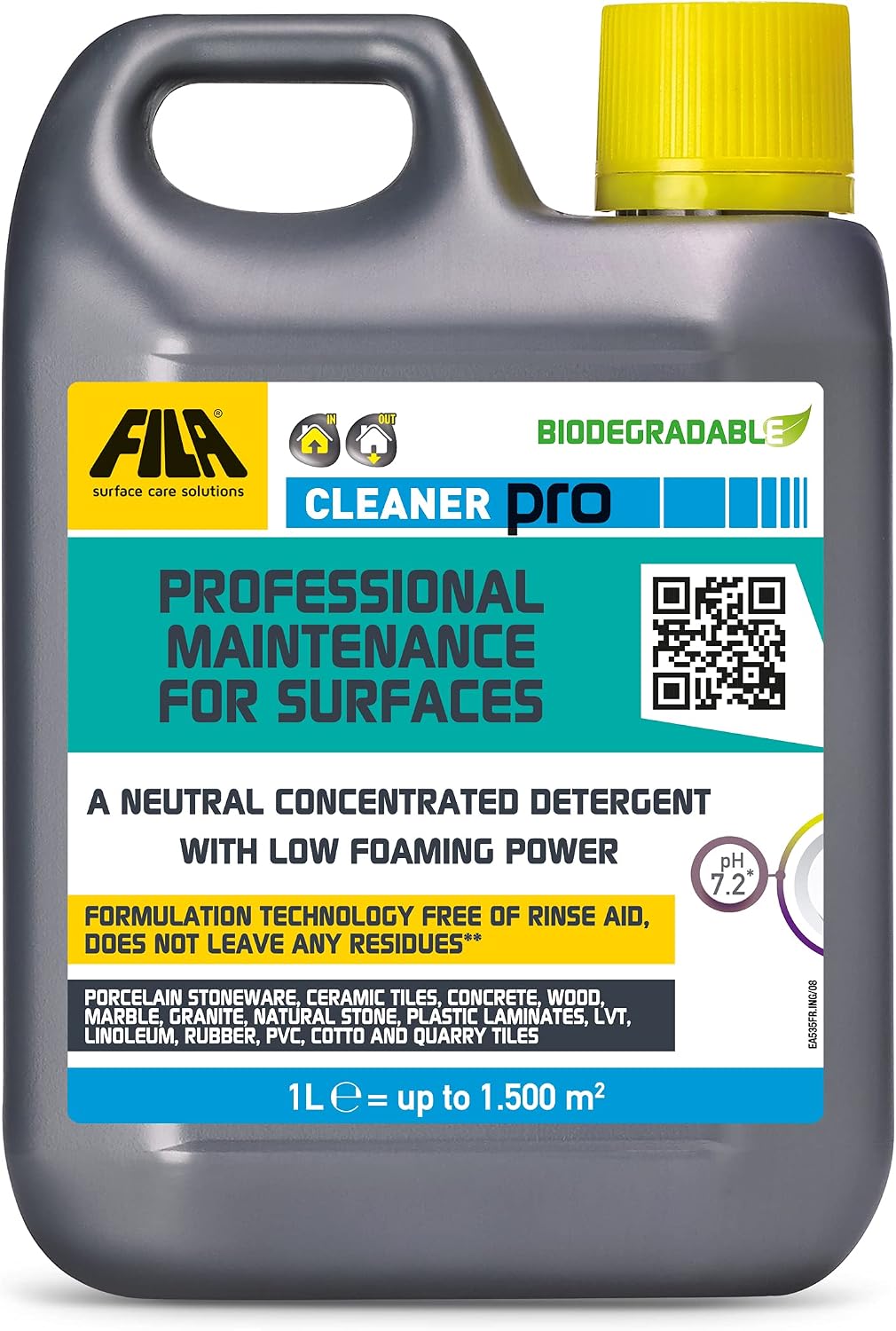
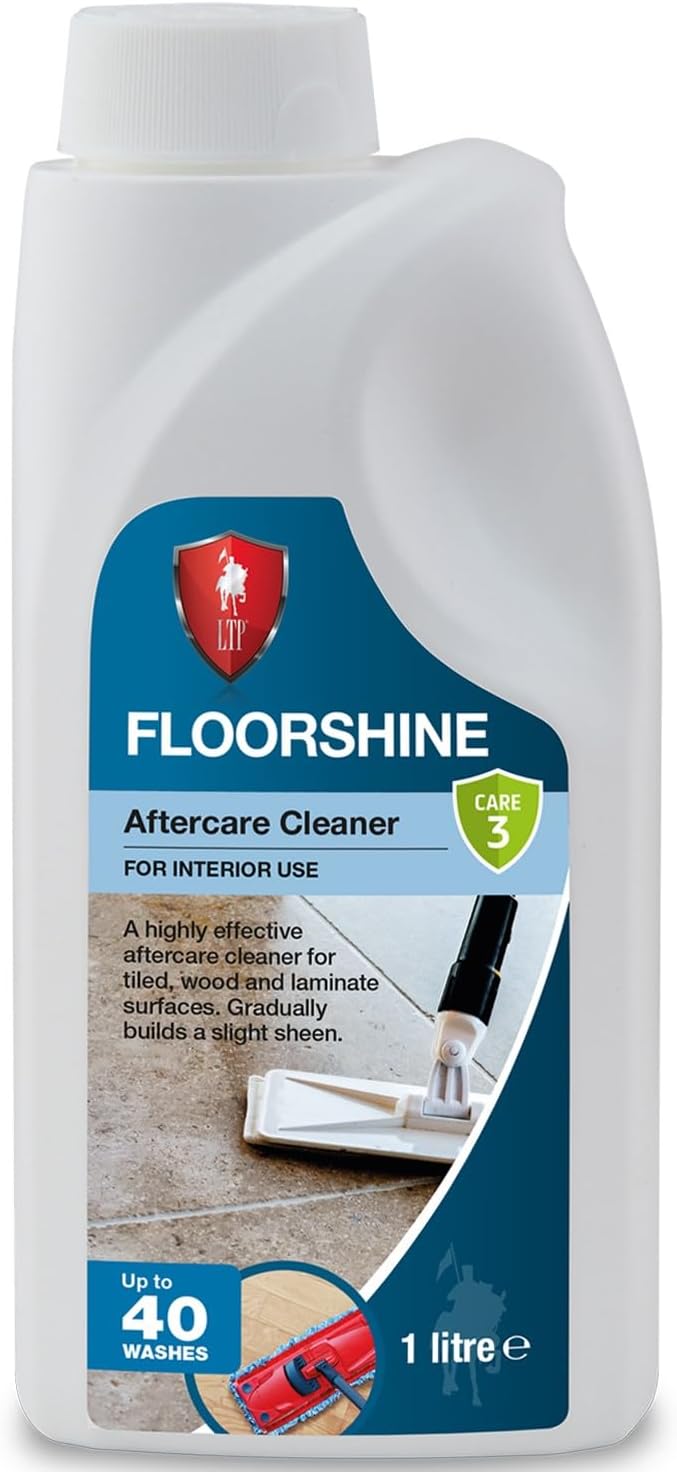
Expert Tip: Recommended Products for Daily Maintenance of Travertine

Discovering the Benefits of Travertine Flooring
Opting for travertine flooring is a discerning choice that adds elegance and comfort to your home. Its organic textures and rich hues bring warmth and individuality to every area, from welcoming kitchens and serene bathrooms to inviting living rooms designed for relaxation with family and friends. In the context of the British climate, travertine excels — it withstands everything from summer heat to winter dampness without experiencing warping or cracking, ensuring your floors remain robust and attractive throughout the seasons.
Once properly sealed, travertine is surprisingly low maintenance, allowing you to appreciate its aesthetic without constant attention. Its natural thermal properties keep your floors pleasantly cool underfoot, even during hotter days. Compared to many synthetic alternatives, travertine provides enduring beauty and a reassuring sense of quality, bestowing a classic charm that feels timeless and well cared for.
Overcoming Common Issues Associated with Travertine Flooring
Like any material, travertine has unique characteristics, and understanding how to maintain it can significantly impact its longevity. Everyday life can lead to minor issues such as scuffs, unintentional spills, or gradual surface dullness. Due to its porous nature, travertine can absorb liquids, potentially resulting in stubborn stains or unpleasant odours. in areas with heavy foot traffic, your floors may appear worn over time.
The good news is that these challenges are manageable with a proactive care routine. Employing gentle pH-neutral cleaning agents and periodically resealing the stone can help preserve its natural allure. By recognising early signs of wear, you can take action before minor issues escalate — preventing costly repairs and ensuring your floors remain fresh, well-maintained, and a source of daily pride.
Assessing the Condition of Your Travertine Floors

Recognising Signs Your Floors Need Restoration
Travertine floors often exhibit subtle indicators when they require attention. A decline in shine, etch marks from acidic spills, or small cracks near furniture are all signs that a restoration might be necessary. If you observe uneven surfaces or safety concerns, exploring restoration options is advisable. Conducting regular inspections helps you identify issues before they escalate. Taking care of these concerns early will not only protect your floors but also enhance your peace of mind as a homeowner.
Weighing DIY versus Professional Evaluations for Travertine Floors
Are you uncertain whether to seek professional assistance or handle the evaluation yourself? For minor wear, a DIY assessment may suffice — look for dull patches, scratches, or variations in texture. for more significant damage or uncertainties, a professional evaluation can provide clarity. Trained experts can identify underlying issues and recommend tailored solutions suited to your specific flooring needs. Investing in professional guidance can save you time and money, while instilling confidence in every step forward.
Understanding the Financial Aspects of Travertine Restoration
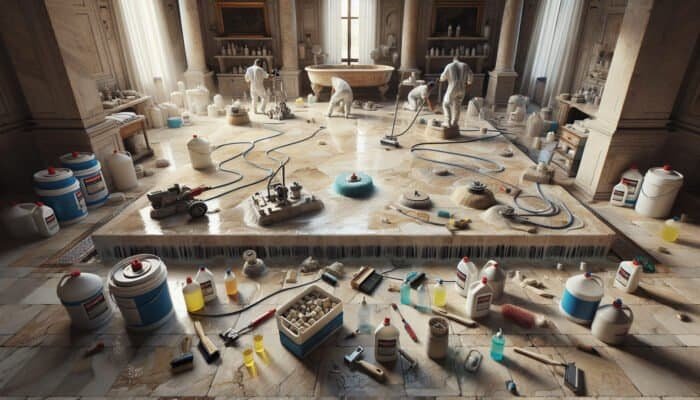
Restoring travertine flooring can be straightforward, and grasping the associated costs can help you budget more effectively. Prices typically range from £30 to £60 per square metre in the UK, depending on the extent of work required. While DIY solutions may suffice for minor concerns, professional restoration is often a wise investment, especially for more complex repairs. Remember to account for cleaning products, dependable sealers, and appropriate tools to ensure a successful job.
Acting promptly can make a significant difference. Timely touch-ups often avert larger issues, helping you avoid substantial expenses while keeping your floors in pristine condition. When comparing services, it’s wise to obtain multiple quotes — ensuring you find fair pricing and a provider you can trust. Your home deserves attentive care.
Creating a Maintenance Schedule for Travertine Floors
How frequently should you maintain your travertine floors? This largely depends on the dynamics of your household. High-traffic areas — such as bustling hallways and frequently used family rooms — typically benefit from thorough cleaning and resealing every 6 to 12 months to remain protected and visually appealing. Conversely, quieter spaces may only require maintenance once a year.
Be mindful of seasonal changes as well. The damp winter months in the UK can introduce moisture even into well-sealed floors, so a little extra care during colder periods is beneficial. Adhering to a gentle, regular maintenance schedule not only protects your stone but also fosters a welcoming atmosphere in your home.
Crucial Steps for Preparing Travertine Floors for Restoration
Comprehensive Cleaning and Surface Preparation
Before embarking on the restoration of your travertine floors, begin with a thorough cleaning. Start by sweeping or vacuuming to eliminate any dust and debris. Next, apply a gentle, pH-neutral stone cleaner to remove hidden grime without risking damage. Avoid acidic or abrasive products, as these can harm the delicate surface. Inspect for scratches or stained areas, noting spots that may require additional attention. A well-prepared floor sets the stage for a successful restoration, enhancing both durability and appearance.
Gathering Essential Tools and Materials for Restoration
The right tools can simplify the restoration process, making it safer and more effective. Acquire reliable honing pads to refine the surface and trusted polishing compounds to restore that natural shine. A high-quality sealant is also crucial for long-term protection. Depending on the scope of work, you might need a power sander, robust brushes, and a mop to complete the job. Opt for products specifically designed for natural stone to avoid compatibility issues. Being well-equipped will empower you to tackle the task with confidence and efficiency.
Ensuring Safety During the Restoration Process
Your safety is just as important as the quality of the outcome. Always wear proper protective gear — including gloves and safety goggles — to shield yourself from dust and chemicals. Maintain good ventilation in your workspace to avoid inhaling any fumes from cleaning products or sealants. It’s also wise to keep children and pets away from the area while work is in progress. Familiarise yourself with any tools you’ll be using to ensure confidence in their operation. These straightforward precautions create a safer environment, allowing you to focus fully on reviving your floors with peace of mind.
Conducting a Detailed Assessment of Travertine Condition
Before beginning restoration, closely examine your floors for visible concerns such as cracks, chips, or persistent stains. Pay special attention to high-traffic areas where wear tends to be more pronounced. Look for signs of dullness or etching that may require additional care, such as honing or polishing. If you’re uncertain about the extent of damage, consulting a professional can provide valuable insights. Experts can identify hidden issues and recommend tailored solutions. By documenting your floors’ current condition, you can effectively track progress and ensure every effort contributes to a stunning, enduring result.
Proven Restoration Techniques for Travertine Flooring
The Significance of Honing and Polishing Travertine
Honing and polishing are essential restoration techniques that can revitalise your travertine floors. Honing involves using specialised pads to gently abrade the surface, eliminating scratches and dullness while preparing the stone for polishing. This process not only restores the stone’s shine but also smooths out imperfections, resulting in a consistent look. Following honing, polishing compounds are applied to achieve a high-gloss finish that enhances the stone’s natural beauty. Homeowners in the UK often appreciate the radiant quality that freshly polished travertine adds to their interiors. Choosing the appropriate grit for honing pads is critical; using too coarse a pad can cause further damage. After honing and polishing, a sealant should be applied to safeguard the surface from future wear.
Repairing Holes and Cracks in Travertine Flooring
Addressing holes and cracks is crucial for achieving a flawless finish during travertine floor restoration. Being a natural stone, travertine may feature small voids or larger cracks that necessitate filling. Select an appropriate travertine filler that closely matches the colour of your flooring for seamless results. Begin by cleaning the damaged area to ensure it is free from dust and debris, then carefully apply the filler, smoothing it to create a uniform surface. Allow the filler to cure according to the manufacturer’s instructions before proceeding with honing or polishing. This important step not only enhances the overall appearance but also prevents further deterioration of the stone, ensuring your floors remain in excellent condition.
Sealing Your Restored Travertine Floors: The Importance of Protection
Sealing your restored travertine floors is vital to guard against stains and moisture. After honing and polishing, applying a high-quality sealer forms a protective barrier that prevents dirt and spills from penetrating the porous surface of the stone. Given the humidity and spill risks in the UK climate, effective sealing can significantly prolong the lifespan of your travertine floors. It is advisable to choose a penetrating sealer specifically designed for natural stone, as this provides the necessary protection without compromising the stone’s visual appeal. Regular resealing, typically every 1-3 years, will help maintain your floors’ integrity, ensuring they continue to look stunning and withstand the test of time.
Strategies for Maintaining Restored Travertine Floors
Establishing a Consistent Cleaning Routine for Travertine
To keep your restored travertine floors looking pristine, it’s crucial to establish a regular cleaning routine. Frequent sweeping or vacuuming will help remove dirt and debris that can scratch the surface. For deeper cleaning, use a pH-neutral stone cleaner, as harsh chemicals can degrade the sealer and damage the stone. Avoid using acidic cleaners or abrasive pads that could harm the surface. Promptly wiping up spills is essential to prevent stains from setting. To maintain a brilliant shine, use a soft mop with warm water for everyday cleaning, reserving stronger cleaning solutions for less frequent deep cleans. By following these practices, you ensure that your travertine floors remain vibrant and visually appealing for years to come.
Implementing Preventive Strategies to Safeguard Travertine
Taking preventive measures can significantly enhance the longevity of your travertine floors. Positioning mats at entryways can capture dirt and moisture before it reaches the stone, thereby reducing wear from foot traffic. consider placing furniture pads under heavy items to prevent scratches and indentations. Regularly checking and maintaining sealants is vital; reapplying sealers as necessary creates a protective barrier against spills and stains. Encouraging a ‘no shoes’ policy in areas with travertine flooring or opting for soft-soled footwear can further minimise scratches. These straightforward yet effective strategies are essential for preserving the beauty and functionality of your travertine floors, ensuring they remain a striking feature in your home for years.
Scheduling Regular Professional Maintenance for Longevity
Planning for periodic professional maintenance is an integral component of caring for your travertine floors. While routine cleaning is essential, professional evaluations can uncover issues before they escalate. Arranging a comprehensive assessment every year or so allows experts to evaluate the condition of your floors, providing services such as deep cleaning, honing, and resealing as required. This proactive strategy ensures that minor problems are promptly addressed, extending the lifespan of your flooring investment. Many professional restoration services in the UK offer maintenance packages tailored to your specific needs, ensuring that your travertine remains in excellent condition year after year.
Selecting the Ideal Restoration Service for Your Requirements
Conducting In-Depth Research on Local Restoration Providers
When restoring your travertine floors, finding a credible local provider is crucial. Start your search by looking for services specialising in natural stone restoration, paying attention to customer feedback and testimonials. Websites, social media, and platforms like Trustpilot can provide valuable insights into previous clients’ experiences. Look for providers with a robust portfolio of successful restorations, particularly showcasing travertine floors. seeking recommendations from friends or family members who have undertaken similar restoration projects can be beneficial. A well-reviewed local service not only brings expertise but also insights into the specific challenges posed by the UK climate and architectural styles, ensuring your restoration is executed with the proper care and professionalism.
Evaluating the Quality of Restoration Services
Before committing to a restoration service, it’s vital to assess the quality of their work. Requesting before-and-after photographs is an effective way to gauge the standard of their past projects. Look for consistency in results; a professional service should consistently deliver satisfactory restorations across various types of travertine. It’s also wise to inquire about certifications or training their technicians have received, as this demonstrates a commitment to quality. Engaging in a discussion about their techniques and materials can offer further insight into their professionalism and expertise. By thoroughly vetting potential service providers, you can ensure that your travertine floors receive the expert care they deserve.
Understanding the Terms of Service Agreements
Before finalising your contract with a restoration service, it’s essential to comprehend the details outlined in the service agreement. Carefully review the contract to ensure it covers all aspects of the restoration process, including cleaning, honing, polishing, and sealing. Pay close attention to any warranties offered, as these can provide reassurance regarding the quality of work and the longevity of the restoration. Confirm that you understand the project timeline as well as payment terms and conditions. A well-drafted service agreement should instil confidence in the restoration process, clarifying what to expect and how the service provider will ensure your satisfaction with the final results.
Common Questions about Travertine Flooring
What is travertine flooring?
Travertine flooring is made from a natural stone formed by mineral deposits, distinguished by its unique textures and colours, making it a popular choice for both residential and commercial settings.
How can I tell if my travertine floors need restoration?
Signs that your travertine floors may require restoration include dullness, etching, cracks, and uneven surfaces. Regular inspections can help identify these issues early.
Can I restore travertine floors myself?
While basic cleaning tasks can be handled DIY, professional restoration is often advisable for optimal results, particularly for processes like honing, polishing, and sealing.
What is the typical cost of travertine floor restoration?
Costs can vary significantly, but professional restoration generally ranges from £30 to £60 per square metre, depending on the extent of work needed.
How often should I maintain my travertine floors?
The frequency of maintenance depends on foot traffic; high-traffic areas may require attention every six months, while less frequented spaces might only need care annually.
Which cleaning products are safe for travertine?
Utilise pH-neutral stone cleaners specifically designed for natural stone, avoiding harsh chemicals and acidic cleaners that could harm the surface of your travertine.
What steps can I take to prevent damage to my travertine floors?
To prevent damage, use mats at entryways, place furniture pads under heavy items, and implement a ‘no shoes’ policy in areas with travertine flooring.
How long does the restoration process typically take?
The duration of the restoration process can vary based on the extent of work required, but most projects usually take a few days from start to finish.
Is sealing necessary after the restoration process?
Yes, sealing is critical after restoration to protect the travertine from stains and moisture, ensuring its longevity and aesthetic appeal for years.
What should I consider when selecting a restoration service?
Look for a service with a strong reputation, positive reviews, experience with travertine, and a portfolio of successful restorations. Always request before-and-after photos to evaluate their work effectively.
The post Travertine Floor Restoration Guide: Renewing Natural Elegance for Your Home appeared first on https://tilecleaningsurrey.co.uk